
Retailers often struggle when their new store fixtures look cheap or fall apart quickly. Choosing the wrong material or manufacturer can ruin your brand image and budget.
Wooden shop display stands are rarely just solid wood. They usually combine MDF, plywood, or particle board to ensure stability and lower costs. The best choice depends on your load-bearing needs and humidity environment. Selecting the right core material and surface finish prevents warping and extends the fixture's lifespan in high-traffic retail stores.
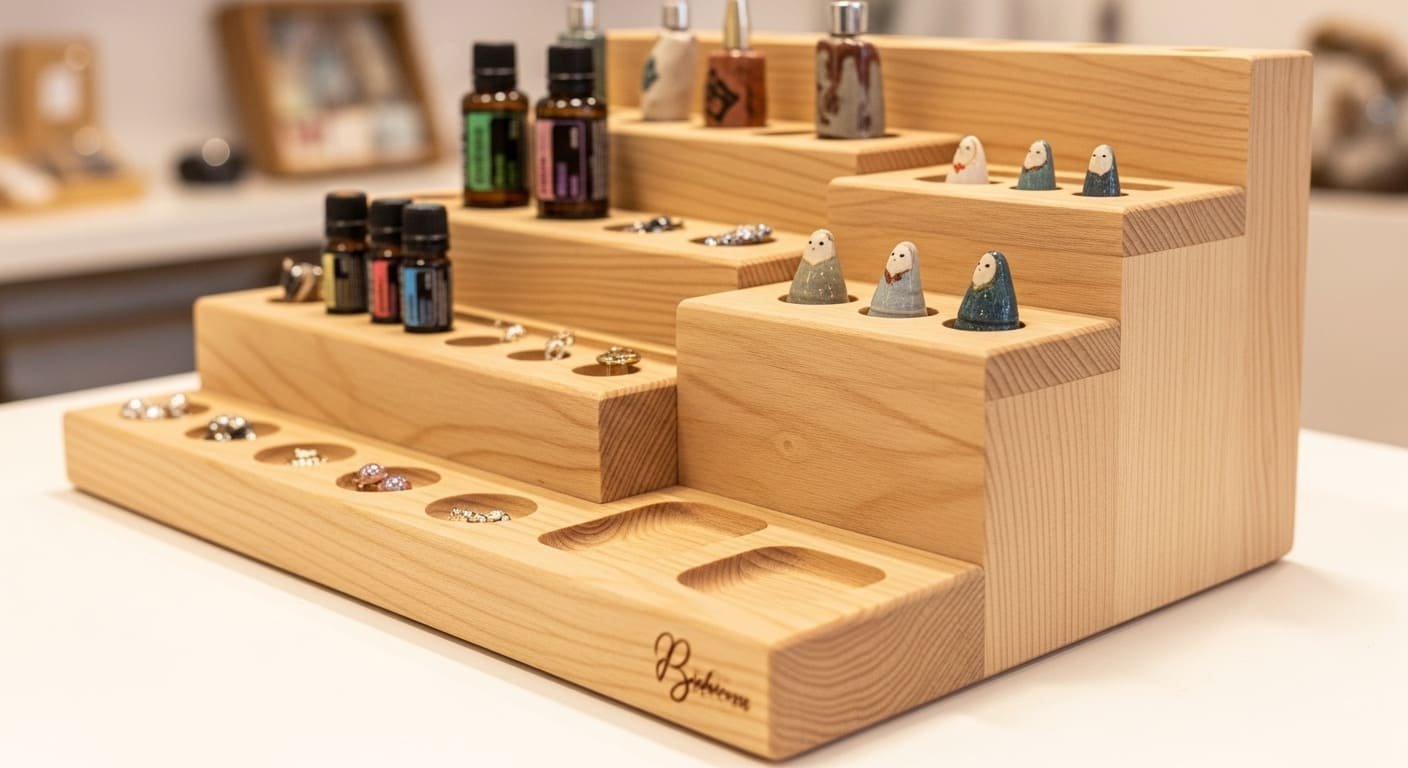
Many buyers focus only on the design rendering or the initial price tag. However, the real problems usually start when you ignore the engineering behind the wood and the reality of the supply chain.
Which wood material is best for your retail fixtures?
You might think solid wood is the best option, but it is often unstable and expensive. You need to choose the right engineered wood for the specific job.
Particle board is cost-effective for internal structures but holds paint poorly. MDF is perfect for painted finishes but fears water. Plywood is the strongest and holds screws best but costs more. Your choice must align with the specific wear and tear of that store zone.
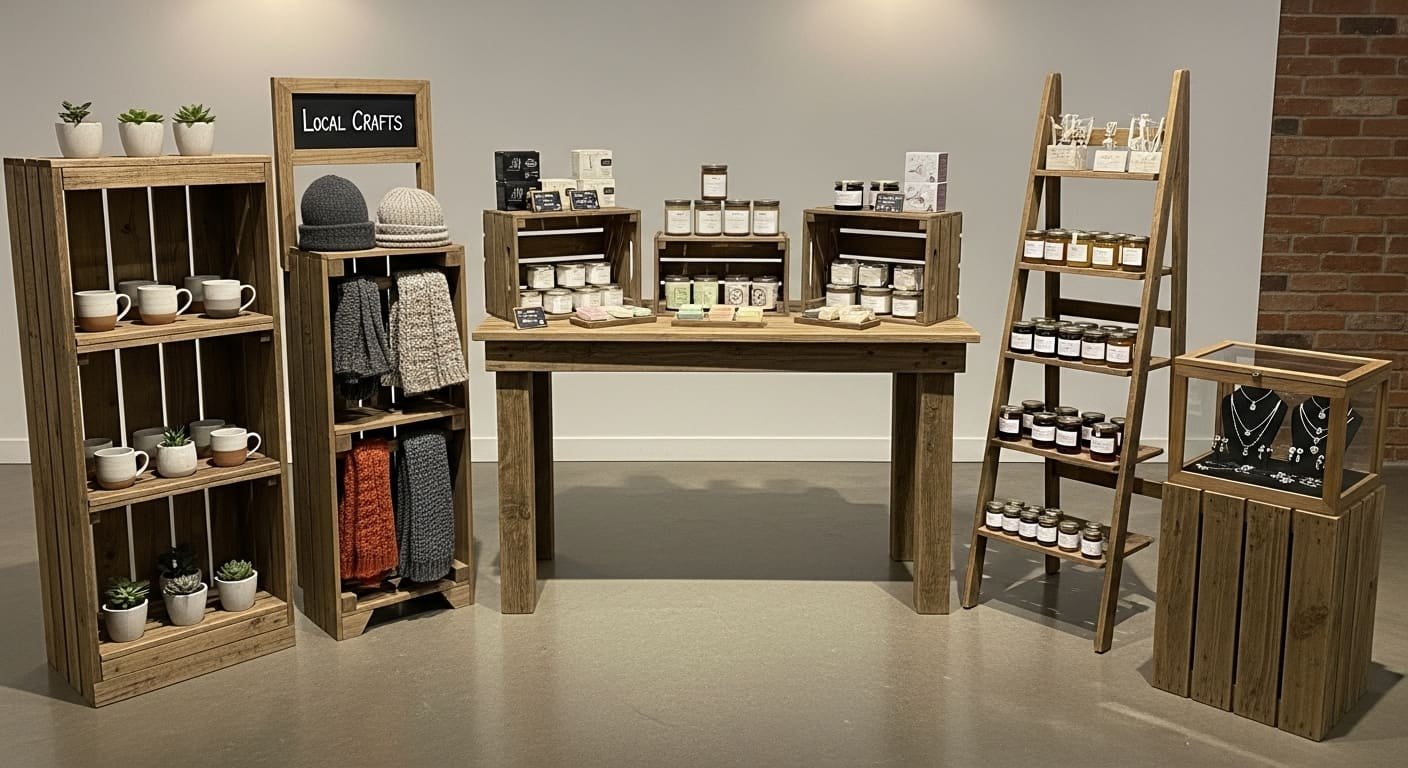
When we manufacture Display Fixtures and Bespoke Shopfittings, we do not just pick one wood type. We analyze the function. Particle board has the lowest density. We rarely use it for painted surfaces unless you have a very specific finish requirement. Generally, we use it for internal structural parts that customers do not see. It holds screws better than MDF but worse than plywood.
Plywood is different. We use it for structural frames and areas where you need to see a wood grain texture. It is lighter than MDF and stronger, but it can warp if not handled right. The surface usually gets a clear varnish to show the grain, or we apply a veneer. The hard part with plywood is keeping it perfectly flat. If you try to apply a high-gloss sticker or paint over it, bubbles can appear later.
MDF (Medium Density Fiberboard) is the king of painted finishes. It is dense and smooth. For low to mid-end props, we do one base coat and two top coats. For luxury projects, the standard is much higher. We apply at least two base coats and three top coats. We check for "orange peel" texture or dust. If we find any, we sand it down and start over. We test the hardness with pencils—usually, a 2H hardness is the standard.
Should you manufacture in China or Vietnam for the best value?
Many brands represent moving production to Vietnam to save money, but they often face quality issues. You need to understand the maturity of the supply chain before moving.
China currently has a more complete supply chain for complex custom fixtures. Vietnam offers tariff advantages for the North American market but relies on imported components. The best strategy often involves producing complex parts in China and handling final assembly in Vietnam to meet "Country of Origin" rules.
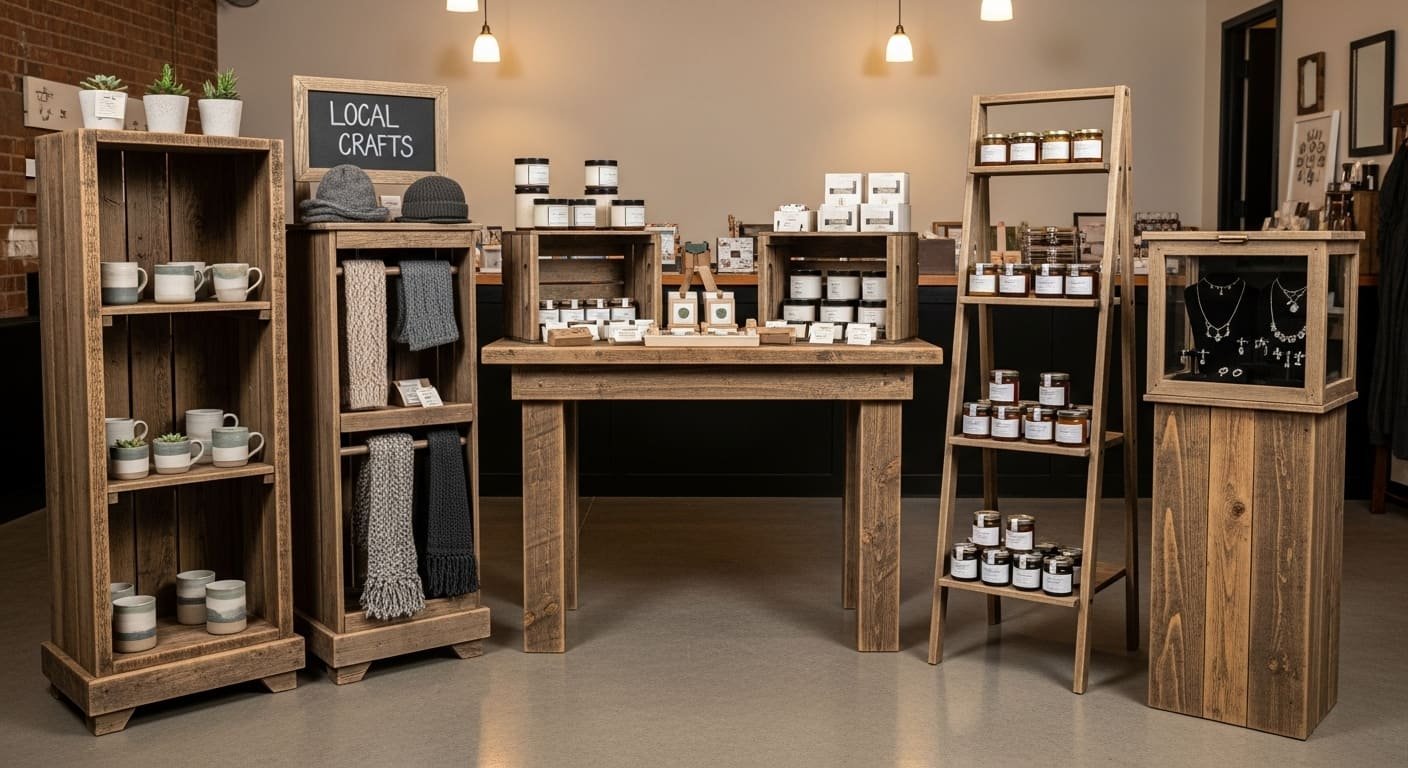
I have factories in both China and Vietnam, so I see the reality daily. Currently, Vietnam’s supply chain for display fixtures is not as mature as China's. Many accessories and components must be shipped from China to Vietnam for assembly. This adds time. However, if you are a North American buyer, Vietnam is attractive for tariff reasons. The rule is generally that if the import ratio of the total value is below 40%, it qualifies as Vietnamese origin.
For example, we might make a metal display fixture where the metal is bought and processed in Vietnam. If we import a glass panel or acrylic logo from China, and the local Vietnamese content exceeds 60% of the value, the whole product enjoys lower tariffs entering North America. We ship containers of parts from Xiamen to Ho Chi Minh City every month.
However, for the European market, Vietnam has no advantage. China is better. Custom shopfitting requires complex coordination of metal, wood, and surface finishes like chrome or powder coating. China has a massive cluster of suppliers competing, which keeps prices low and quality high. In Vietnam, options are fewer, and if there is no competition, factories rarely invest in better management or quality control.
How does the assembly method impact your total landed cost?
Shipping air inside a container is the fastest way to burn your budget. You must balance the cost of factory assembly against the cost of store installation.
Shipping fixtures Knock-Down (KD) instead of fully assembled can save 50% to 80% of container space. This drastically reduces ocean freight costs. However, you must ensure the design is easy to assemble on-site, or your local labor costs will erase your shipping savings.

When we compare shipping assembled units versus disassembled (KD) units, the difference is huge. KD shipping saves massive amounts of space. It also uses more compact packaging materials, which lowers your procurement costs. If we ship fully assembled, we have to fill the empty space in the carton or wooden crate with expensive padding to stop the fixture from breaking when the ship or truck shakes.
However, you have to do the math on labor. In some countries, labor is very expensive. For a heavy item like a checkout counter, assembling it at the store might take hours. The labor cost in North America or Europe is much higher than in China or Vietnam. Sometimes, the cost to pay local workers to build a complex fixture is higher than the money you saved on shipping.
The trend I see now is a middle ground. Designers are creating structures that are "easy-install." They ship flat but only need one skilled worker to put them together quickly. We also design common internal parts, like uprights or shelves, that can be reused in future designs. This saves money, protects the environment, and speeds up delivery.
When does it make sense to open molds for custom parts?
Custom metal or plastic parts can make your brand look unique, but mold costs can be high. You need to calculate the break-even point based on your order volume.
For metal parts, we avoid molds unless the shape is unique or the volume is high. Laser cutting is usually cheaper for orders under 50 sets. For plastic, 3D printing is a great alternative to expensive injection molds for small batches, offering smooth finishes and custom colors without the high upfront fee.

We always evaluate whether to open a mold based on the order quantity. For metal parts, we try to avoid molds. We only use them if the shape is very weird. Opening a mold is just for efficiency. If you are doing a small custom batch, using a laser machine to cut iron tubes or plates is actually cheaper and faster. A metal mold costs between $100 and $1000 and takes 5 to 15 days to make. If you only need 50 sets, that mold cost adds too much to the unit price.
For plastic injection parts, molds are even more expensive, usually over $1000. If the quantity is small, I recommend 3D printing. We can achieve smooth surfaces and nice colors now. For some special metal structures, we can even use metal 3D printing (iron, stainless steel, aluminum) with a lead time of just 12 to 36 hours.
Wood and acrylic fixtures generally do not need molds. But regardless of the method, the goal is efficiency. Once we confirm the price, shipping, and assembly with you, we cannot afford mistakes. Rework kills profit.
What hidden logistics fees should you watch out for?
The price on the invoice is rarely the final price you pay. You need to watch out for freight forwarders who inflate local handling fees to make up for low shipping rates.
Common hidden fees include inflated Terminal Handling Charges (THC), excessive document fees, and unnecessary VGM charges. Always ask your forwarder for a fee list upfront and compare it to standard carrier rates. Avoiding these traps can save you hundreds of dollars per container.

If you are buying FOB (Free on Board), you might think you are safe from shipping costs. But your designated freight forwarder can still overcharge you. Sometimes they quote a low ocean rate to the consignee but charge the shipper (us) crazy local fees.
For example, the Terminal Handling Charge (THC) has a standard index. But some forwarders charge 1200 RMB for a High Cube container when the real cost is closer to 850 RMB. That is pure profit for them. Another one is the VGM (Verified Gross Mass) fee. Some forwarders charge 100 RMB per container, but if you know how to submit the data yourself, it can be free.
Then there are document fees. A "Telex Release" usually involves just a digital stamp, yet they might charge 450 RMB. If you see these high fees, do not just pay them. Argue back. Ask them to match the shipping line's standard. If they refuse, tell your supplier or the consignee. If you have high volume, these small fees add up to thousands of dollars a year. You have to be knowledgeable to protect your profit.
Conclusion
To succeed with custom retail fixtures, you must balance material science, manufacturing location, and logistics strategy. A partner who offers transparent engineering and supply chain insights is your best asset.