
You walk past clearance bins filled with damaged goods or see pallets of unsold stock being hauled away. It hurts your bottom line. Why does inventory become unsellable trash instead of profit? The answer often lies in your infrastructure.
Retailers often discard merchandise due to damage caused by poor shelving or lack of visibility from outdated layouts. High-quality, custom display fixtures protect products and adapt to changing inventory, ensuring goods sell rather than end up in the dumpster.
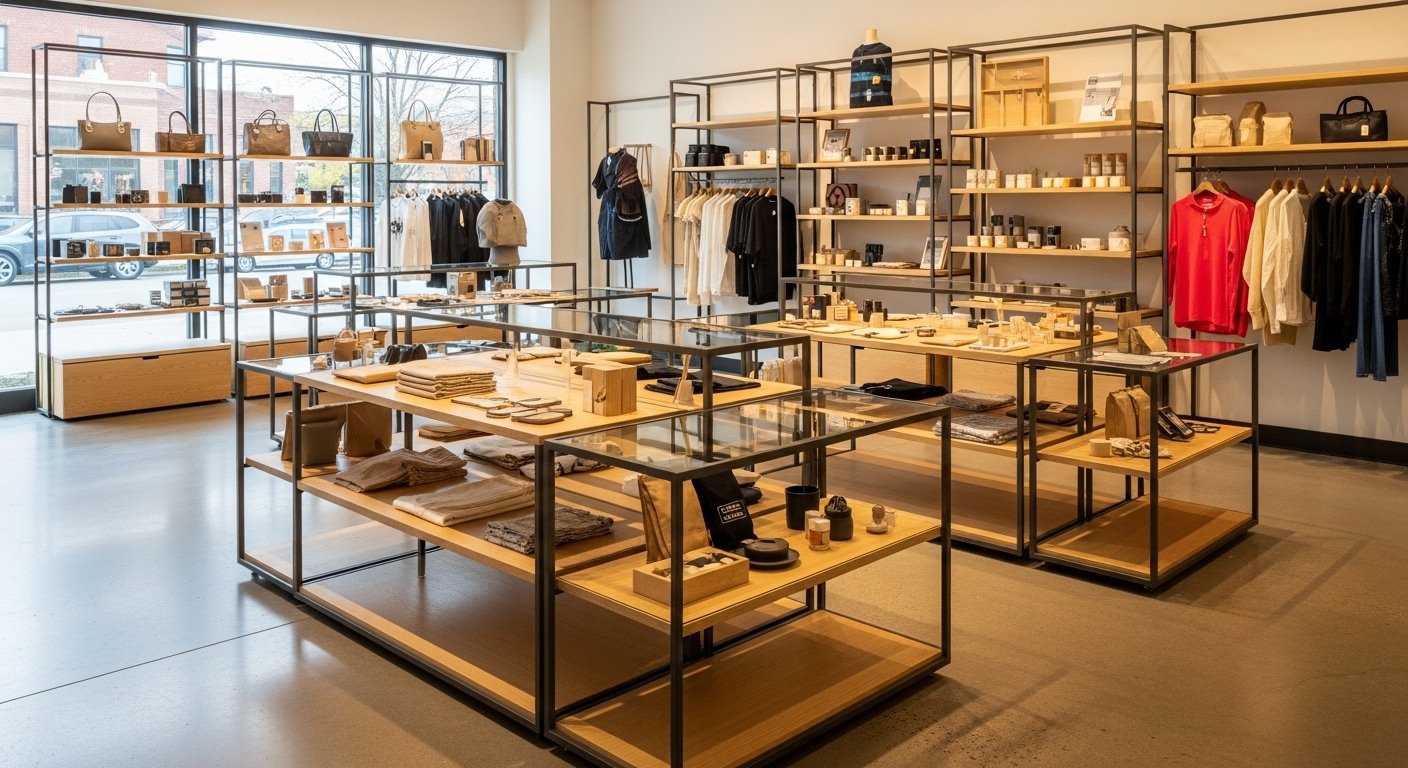
Many store owners blame the product or the marketing when the real culprit is the physical environment. If your shelves are warping, your lighting is dim, or your layout is too rigid to accommodate new items, you are losing money every single day. The waste is not just about the product; it is about the missed opportunity. Let's look at how the right manufacturing choices prevent this loss.
Do cheap display fixtures cause product damage?
You buy the cheapest shelves to save money. Soon, they sag, edges peel, and expensive merchandise tumbles to the floor. Is the initial savings worth the long-term loss?
The wrong material choice, such as low-grade particle board in a humid environment, causes structural failure. Choosing the right material—like moisture-resistant MDF or reinforced metal—ensures your displays remain stable and your products stay safe.
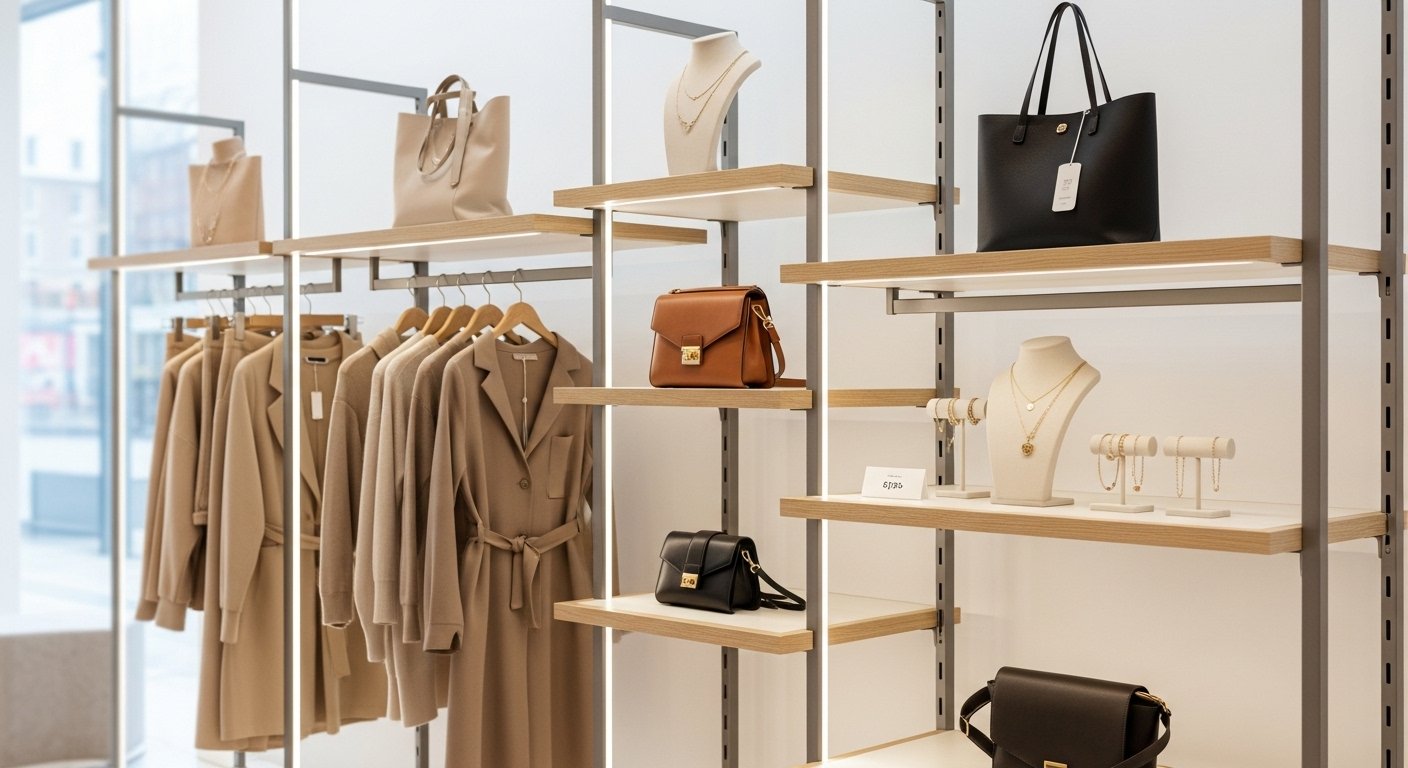
Based on my experience running factories in China and Vietnam, I have seen how material selection directly impacts the lifespan of a store fixture. Many buyers do not realize that different wood materials react differently to the environment. For example, artificial stone used on counters has an expansion coefficient of about 28 to 35, while MDF (Medium Density Fiberboard) is only about 3 to 5. This means stone expands ten times more than wood when it gets hot. If your manufacturer does not calculate this gap correctly, your beautiful counters will crack, and the merchandise on top could be ruined.
We also have to look at the wood itself.
- Particle Board: This is the cheapest option. It holds screws well but hates moisture. If you use this in a humid area without proper sealing, it will swell and break.
- Plywood: This is stronger and lighter than density board. It is great for structural frames but can be hard to paint perfectly smooth.
- MDF: This is the best choice for high-quality painted finishes.
Below is a breakdown of how we decide which material to use to prevent damage:
| Material | Best Use Case | Weakness | Surface Finish |
|---|---|---|---|
| Particle Board | Internal structure, dry areas | Low density, swells with water | Melamine, Veneer |
| Plywood | Load-bearing frames | Hard to get a mirror-smooth paint finish | Clear coat, Veneer |
| MDF | High-end painted cabinets | Heavy, needs good sealing | High-gloss Paint, PVD |
If you choose the lowest price, you often get a "1 base, 1 surface" paint job. For luxury items, we do "2 base, 3 surface" layers. We test paint hardness with pencils ranging from 9B to 9H. If your display scratches easily, your store looks cheap, and customers trust your products less. Quality manufacturing prevents the physical degradation of your store, which in turn saves your merchandise.
Does your store layout fail to adapt to new trends?
You have a thousand stores with different floor plans. Forcing a standard fixture into a unique space creates dead zones where products go to die.
Rigid, one-size-fits-all fixtures cannot adapt to diverse retail footprints. Modular, knock-down (KD) designs allow you to customize layouts for specific stores, maximizing floor space and ensuring every product gets the visibility it deserves.
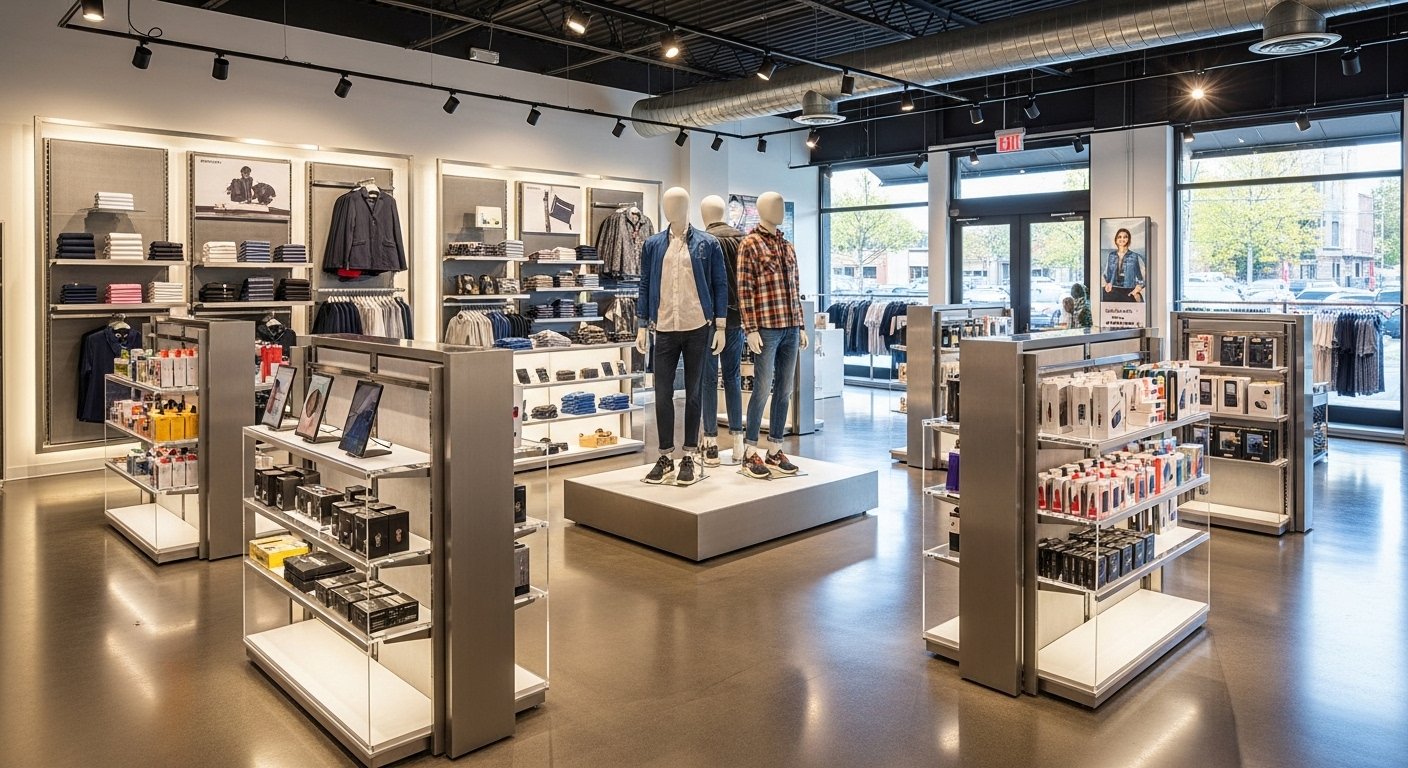
I see this problem constantly. A brand tries to push a single fixture design into 1,000 different stores. In one store, it blocks an aisle; in another, it looks lost. The result is that merchandise placed on these ill-fitting fixtures becomes invisible to the shopper. The solution is custom manufacturing that focuses on modularity. We call this "Display Fixtures and Bespoke Shopfittings."
The smartest designers now use Knock-Down (KD) structures. This means the unit comes apart.
- Shipping Costs: KD units save 50% to 80% of container space compared to fully assembled units. You stop paying to ship air.
- Flexibility: If a product line changes, you can swap out parts of the fixture without throwing the whole thing away.
- Installation: While assembly takes labor, we design parts that a single skilled worker can handle.
In my factories, we also look at tooling costs to keep these custom designs affordable. For metal parts, we do not always need a mold.
- Laser Cutting: If you need fewer than 50 sets, we use laser cutting. It is faster and cheaper than making a mold.
- Molds: If you need thousands, we invest in a mold (costing $100-$1000) to drop the unit price.
- 3D Printing: For complex plastic shapes in low volume, we use 3D printing instead of expensive injection molds.
By using flexible manufacturing methods, we create fixtures that fit your store perfectly. This ensures your merchandise is always presented in the "hot zone" of the store, rather than gathering dust in a corner.
Is your supply chain hurting your store's agility?
You have a great idea for a seasonal promo. But by the time the displays arrive, the season is over. Slow production turns hot items into trash.
An agile supply chain with rapid prototyping and transparent lead times is crucial. Working with manufacturers who understand both China and Vietnam production allows for speed, cost optimization, and timely delivery for seasonal shifts.
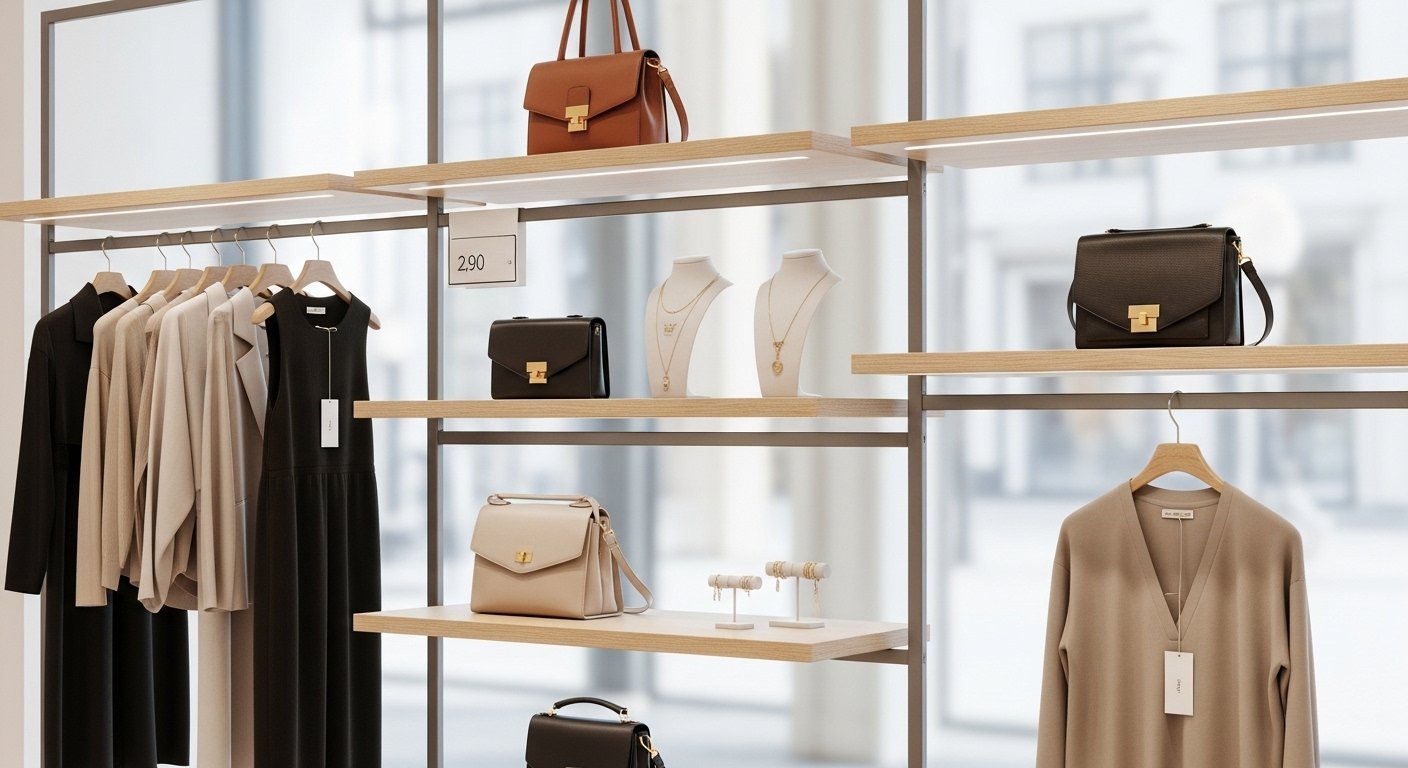
Speed is everything in retail. If you miss the trend, the merchandise becomes waste. I have built a system where we can turn a concept into a prototype in one week in China. In other countries, this might take three weeks. That speed allows you to test, refine, and launch campaigns before your competitors.
However, sourcing is tricky. You need to know where to build what.
- China: Best for complex supply chains. If you need a fixture with metal, wood, acrylic, LED lights, and a digital screen, China is the place. The supply chain is deep. We can find any certification you need (UL, CE, FSC).
- Vietnam: Great for tariff savings for the North American market. But, the supply chain is not as complete. We often ship components from Xiamen to our Vietnam factory for assembly.
The "Origin" Rule:
To qualify for lower tariffs when shipping to North America from Vietnam, the imported value (parts from China) usually needs to be less than 40% of the total. For example, we might buy the steel in Vietnam and do the welding and powder coating there (which is 60% of the value), and then import the glass or acrylic from China. This is a strategic way to lower costs without sacrificing quality.
But be careful with logistics. I often see freight forwarders overcharging retailers with hidden fees like "New Manifest Fees" or inflated THC (Terminal Handling Charges). If you do not know the real costs, you eat into your margins. A good manufacturing partner helps you navigate these hidden costs so you can afford to refresh your stores more often, keeping merchandise moving.
Do your displays fail to engage the modern shopper?
Customers ignore boring shelves. If your display doesn't tell a story or offer an experience, your merchandise sits untouched until it is thrown away.
Modern retail requires interactive and aesthetic elements. Using PVD coatings, LED lighting, and smart integration creates an emotional connection, turning passive browsers into active buyers and reducing stagnant inventory.
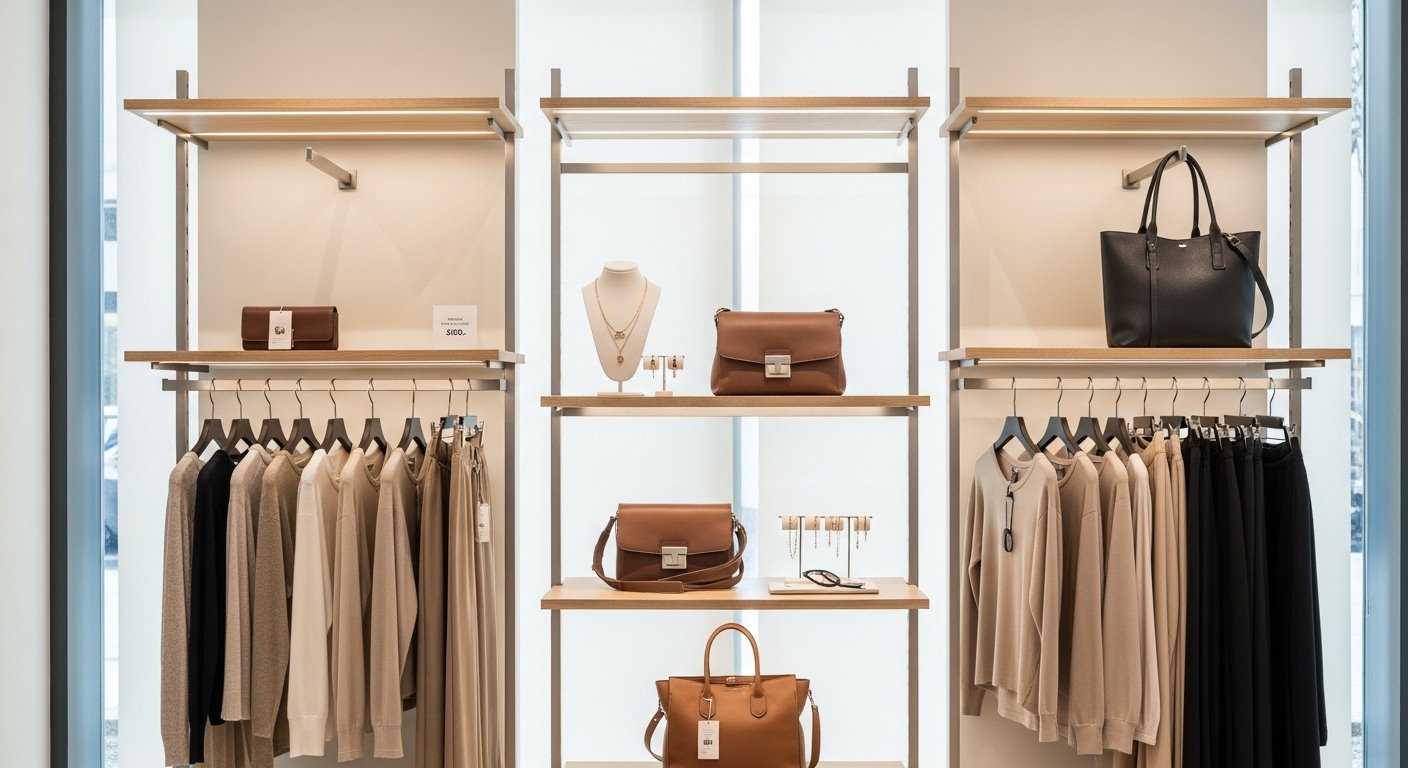
The "Soul" of a physical store is the experience. If your fixtures are dull, the product feels dull. We are seeing a huge shift toward high-end surface treatments that make products pop.
PVD Coating and Anti-Fingerprint (AF):
For luxury brands, we use PVD (Physical Vapor Deposition). It creates a thin, super-hard metal film on stainless steel. It looks like gold or bronze but is much tougher. We combine this with AF (Anti-Fingerprint) technology. Think about how many people touch a display counter. If it is covered in greasy prints, the merchandise looks dirty. AF technology uses nano-materials to make the surface resistant to oil and easy to clean.
Types of Engagement Fixtures:
- End Caps: These sit at the end of aisles. They account for 30% of supermarket sales. If you don't have a custom, eye-catching end cap, you are wasting prime real estate.
- Dump Bins: Great for clearance, but they can look messy. A well-designed bin encourages "treasure hunting" rather than looking like a trash can.
- Countertop Displays: These trigger impulse buys at checkout.
We also integrate technology. LED lighting is standard now, but we are moving toward smart shelves that track inventory. However, even with high tech, the basics matter. The color of the light must match the product. The fit and finish must be perfect. If a customer sees a gap in the joinery or a bubble in the paint, they subconsciously devalue the product.
By investing in "Bespoke Shopfittings"—custom-made fixtures that fit your brand's story—you elevate the perceived value of your merchandise. High perceived value means faster sales and less waste.
Conclusion
Waste often stems from poor presentation. Investing in adaptable, high-quality custom fixtures protects your inventory and elevates the shopping experience, turning potential trash into profit.