
Have you ever walked into a supermarket for milk and left an hour later with a full cart? It feels like time stops inside, and that is exactly the point.
Grocery stores lack windows to maximize valuable wall space for shelving and to prevent sunlight from spoiling fresh food or fading packaging. By removing outside distractions and natural time cues, retailers create a controlled environment where carefully designed display fixtures and lighting keep you focused entirely on shopping.
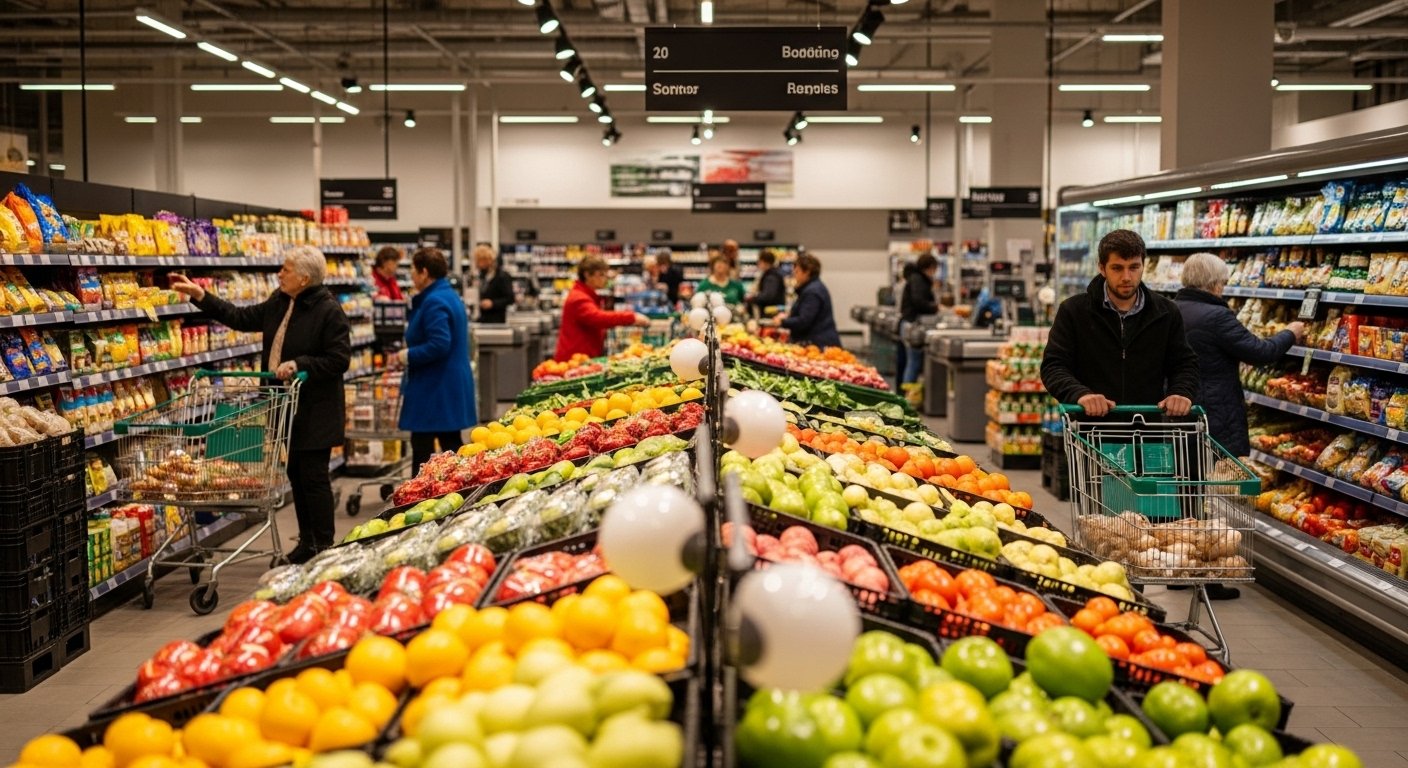
When you take away the windows, the store becomes a stage. The retailer controls the lights, the temperature, and the path you walk. But a windowless box is just a warehouse until you fill it with the right equipment. This is where my work begins. I have spent years manufacturing the display fixtures that define these spaces. From my factories in China and Vietnam, I see the retail world differently. I don't just see shelves; I see the engineering, the materials, and the psychology that keeps that windowless box functioning. Let me take you behind the scenes of how we build this controlled environment.
How does the store layout replace natural navigation?
Without the sun to tell you where north is, you need a guide. Retailers use physical barriers and open paths to steer your cart exactly where they want it.
Stores rely on a mix of perimeter wall shelving and strategically placed floor displays to guide traffic. This layout forces customers to walk past high-margin items. We manufacture these specific fixtures, like end caps and dump bins, to act as visual landmarks in a windowless space.
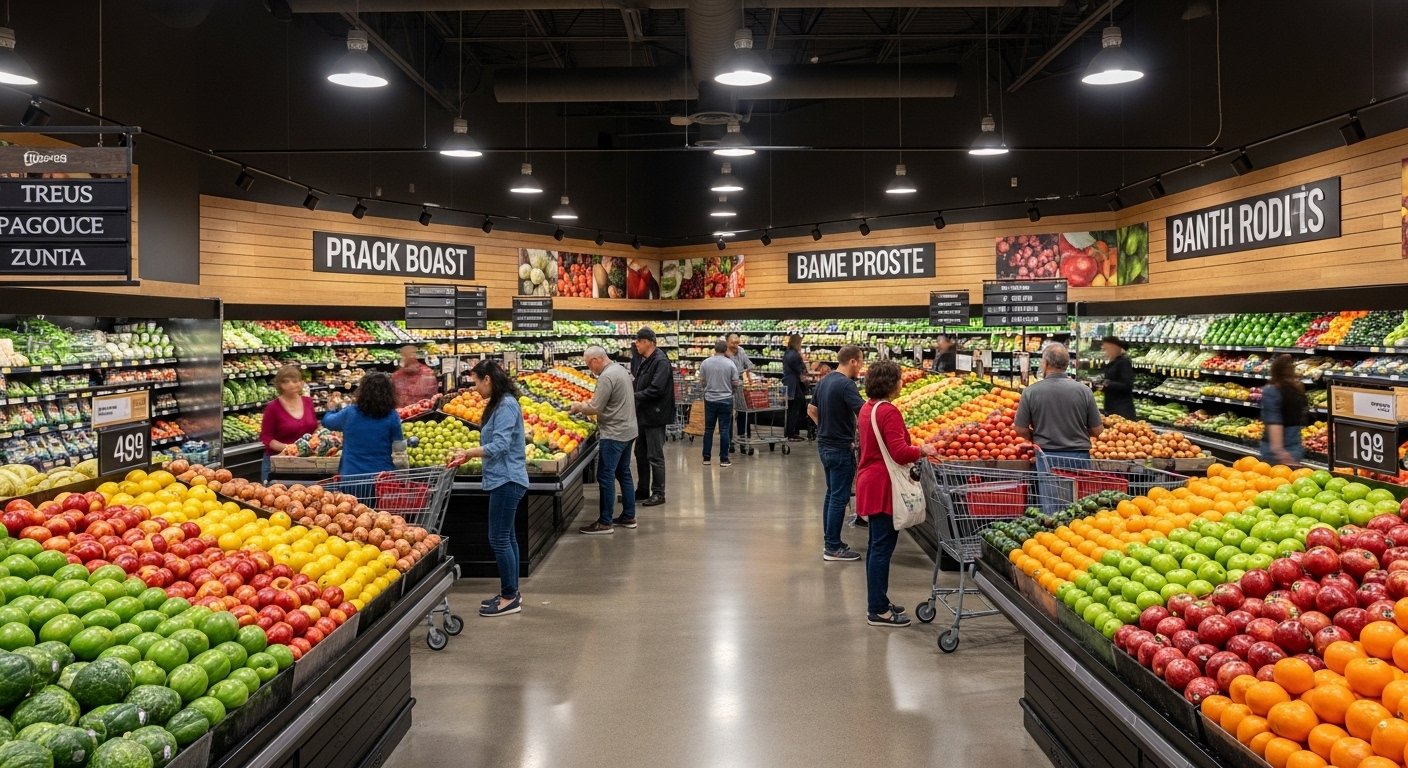
In a store without windows, the "End Cap" is king. This is the display rack sitting at the end of an aisle. In the manufacturing world, we pay special attention to these because they are high-impact zones. Research suggests that end cap displays can account for up to 30% of supermarket sales. Because they are so important, we cannot just use standard shelving. We often have to use "Sidekick Displays" or heavy-duty racks that can hold seasonal items.
Then you have the "Dump Bins." These are the large containers you see in the middle of wide open spaces, usually filled with sale items or snacks. They look messy on purpose to suggest a bargain. When we build these, we have to balance durability with cost. They take a beating from shopping carts.
We also produce "Inline Displays," which are the standard shelves. But even these are changing. Retailers now want flexibility. They want to move the walls. This is why we focus on modular designs. If a store layout is too rigid, the shopping experience feels stale. By using adjustable shelving and mobile gondolas, the store can change its path whenever it wants. It creates a fresh experience without needing a remodel. This is how the store navigates you without you realizing it.
Does sunlight actually damage the merchandise?
We love a sunny room, but your groceries hate it. Natural light is the enemy of packaging, fresh produce, and even the structural integrity of the store fixtures.
UV rays degrade food quality and fade colorful packaging, making products look old. Furthermore, fluctuating temperatures from windows cause materials to expand and contract. We have to choose stable materials like moisture-resistant MDF and specific metals to withstand the internal environment of the store.
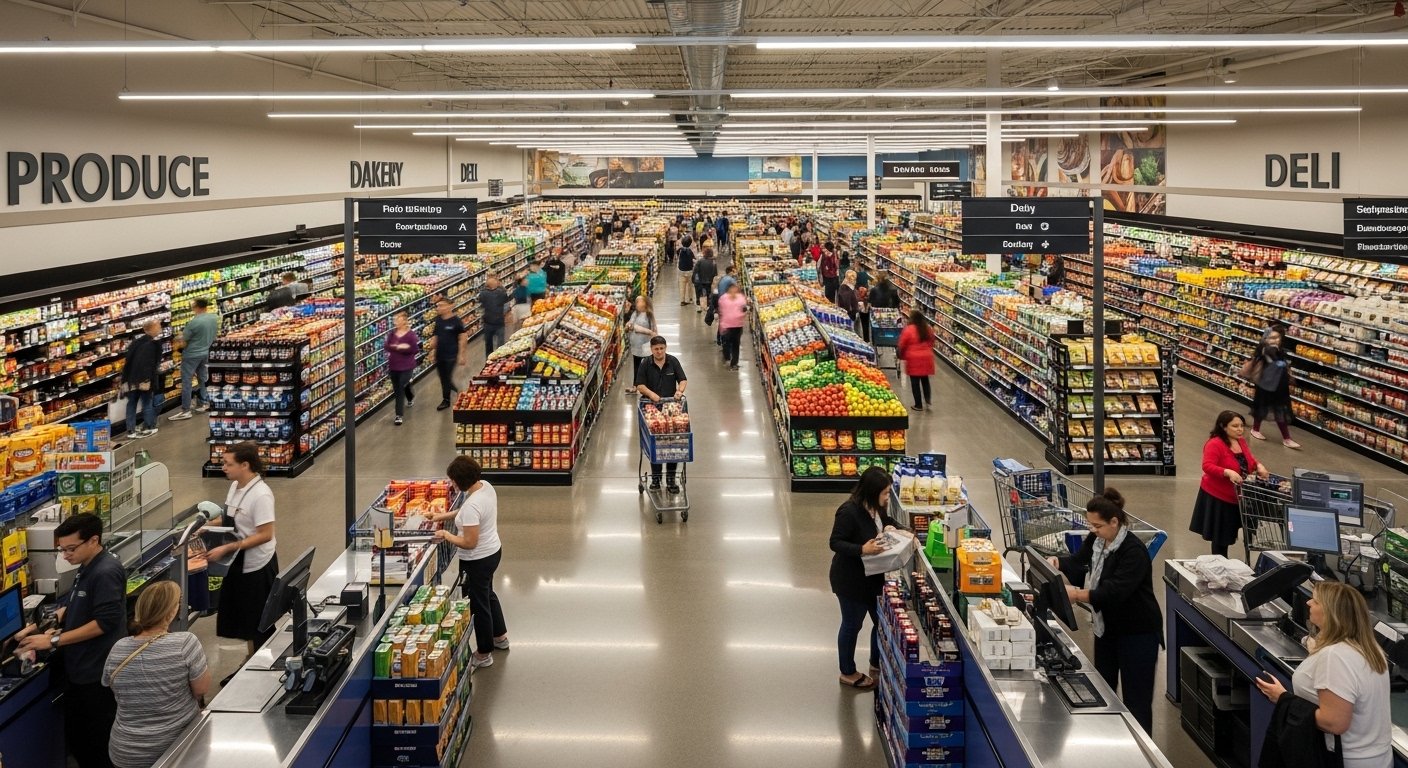
Let's talk about materials. In my factory, we deal with this every day. If a store had windows, the temperature and humidity would swing wildy. This is a nightmare for display fixtures. For example, we use a lot of artificial stone and MDF (Medium Density Fiberboard) in high-end retail counters.
Here is a technical detail many people miss: stone and wood expand at different rates. The thermal expansion coefficient of artificial stone is roughly ten times that of MDF. If the temperature swings because of sunlight hitting a counter, the stone moves, but the wood stays still. The result? Cracks. We have seen complaints where marble tops crack after installation. Often, it is because the fixture was placed near a vent or a window with direct sun.
To prevent this in a controlled, windowless store, we still have to be careful. We use specific grades of wood. In Europe, they want E0 standard boards; in the US, it is P2. We check the moisture content. We make sure the "holding power" of the screws in the particle board is sufficient. A windowless store helps maintain a steady climate, which allows us to use a wider variety of materials without fear of them warping or cracking effectively. It protects the food, but it also protects the investment in the furniture.
How do we make a windowless box feel bright and premium?
If you take away the view, you have to give the customer something else to look at. The finish on the metal and the lighting becomes the star of the show.
We use advanced surface treatments like PVD coating and powder coating to replace natural light with reflective, premium surfaces. These finishes must be durable enough to handle thousands of touches while reflecting artificial light to make the store feel open and clean.
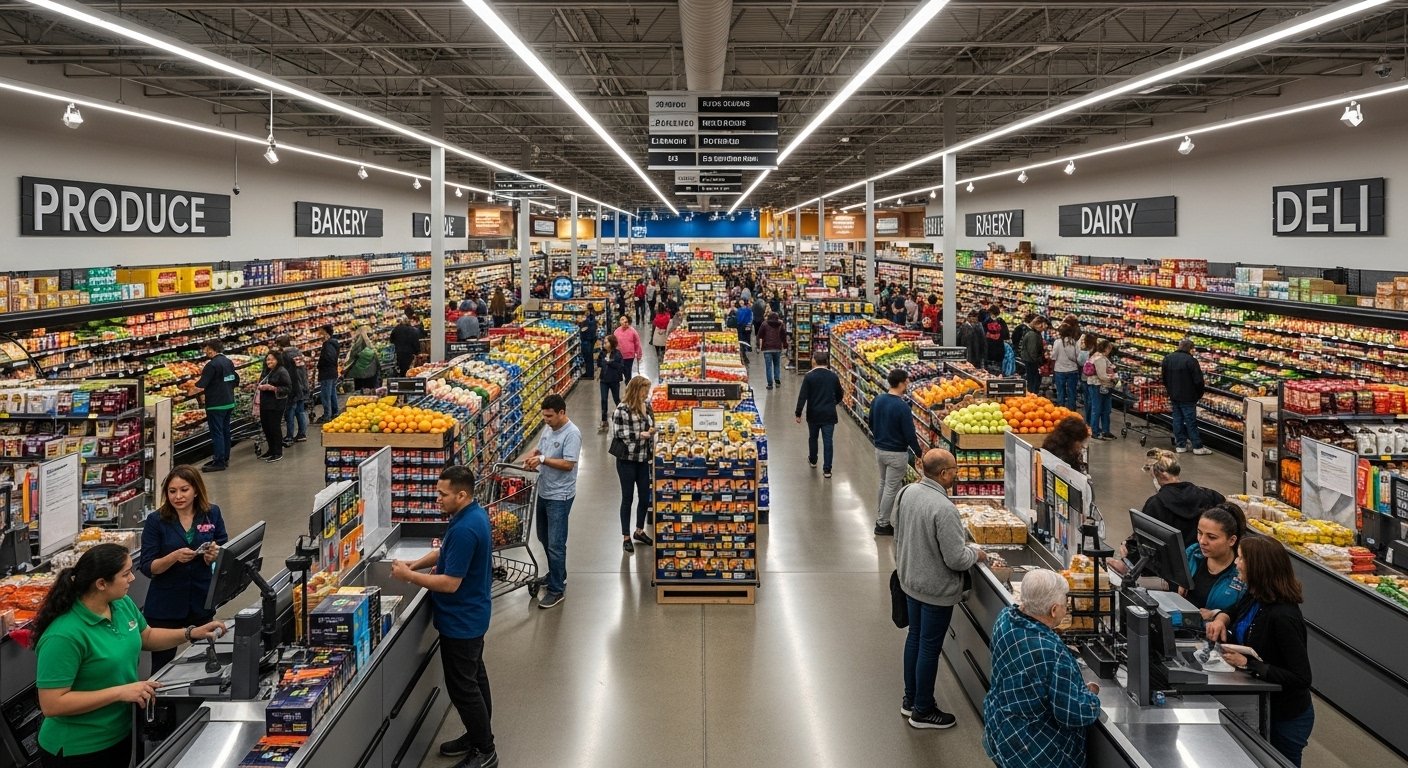
Lighting is everything. Since there are no windows, the fixtures often include built-in LED strips. But the metal itself plays a huge role. We do a lot of "PVD Coating" (Physical Vapor Deposition). This creates a thin, hard film on stainless steel. It makes the metal look like gold or bronze, but it is much harder.
A big issue in retail is fingerprints. If you have a shiny metal rack in a grocery store, thousands of hands touch it. It looks dirty fast. We use an "Anti-Fingerprint" (AF) layer on top of the PVD. It uses nano-scale materials to stop oil from sticking. This keeps the store looking clean even without natural light to wash out the imperfections.
For the painted parts, we use powder coating. This is better for the environment than wet paint. In our factories in China and Vietnam, we recycle the powder to reduce waste. We have to control the thickness of this paint precisely. If it is too thick, parts won't fit together. If it is too thin, it scratches. In a windowless store, the artificial light hits these surfaces hard. Any defect in the paint or the metal polishing shows up immediately. We have to achieve a perfect finish because there are no shadows to hide in.
Is wall space really too valuable for windows?
Rent is the highest cost for a physical store. Every inch of the perimeter wall is potential revenue, and a window is just a hole where money falls out.
Windows delete vertical storage space. By covering the walls with high-density shelving units, stores increase their stock capacity significantly. We engineer these wall units to hold massive weight while looking sleek, maximizing the "Sales per Square Foot" metric that retailers live by.
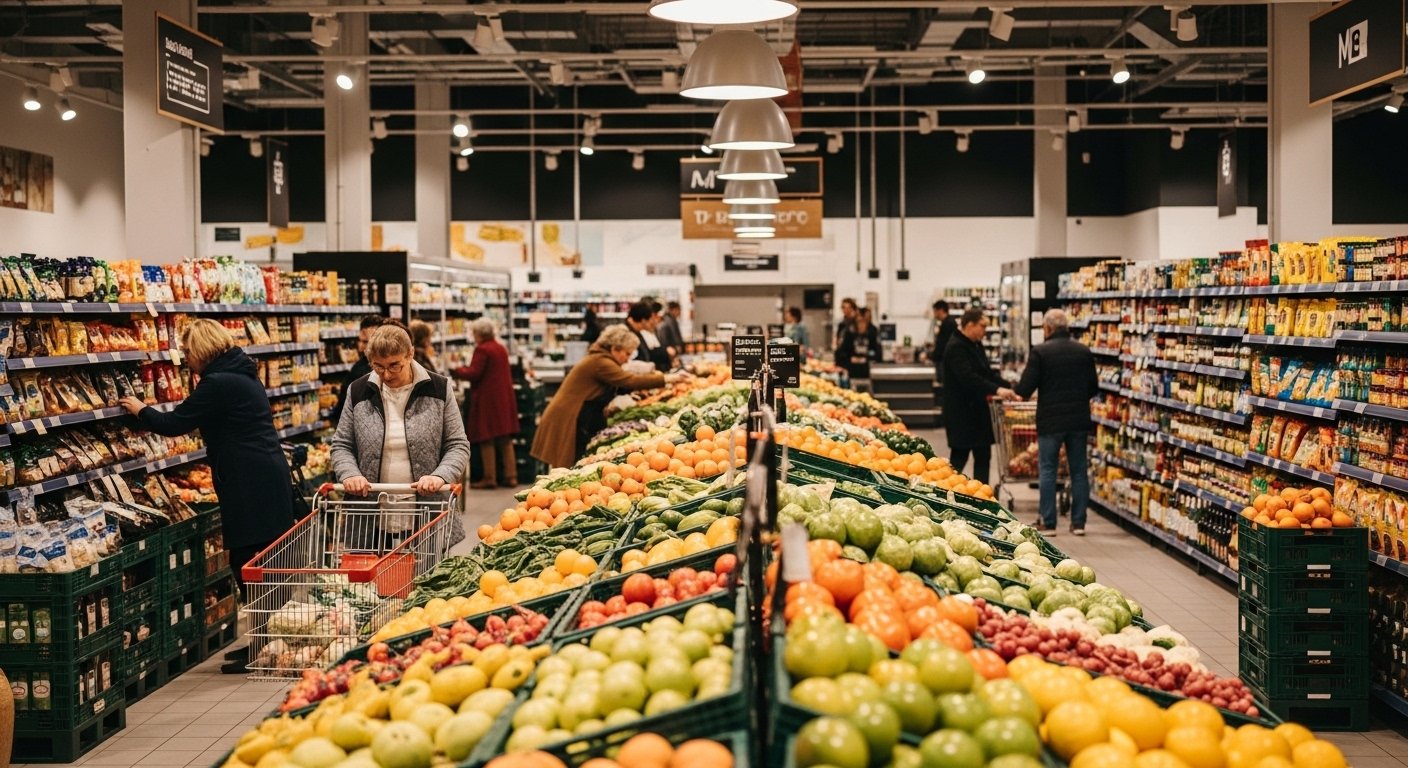
Think about the structure of a wall shelf. It looks simple, but it is an engineering challenge. It has to be easy to install but strong enough to hold hundreds of pounds of liquids or canned goods. We call this "Space Optimization."
We often design these as "Knock Down" (KD) structures. This means we can ship them flat. If we shipped fully assembled shelves, we would be shipping mostly air. By designing them to be taken apart, we save 50% to 80% of the space in a shipping container. This lowers the cost for the retailer, which is crucial because they are competing with online giants.
We also have to think about "modularity." A retailer might want to change a shelf from holding cereal boxes to holding hanging items. We design the upright columns with universal slots. This allows the store to swap out parts without buying a whole new fixture. This is sustainable and cost-effective. It turns the wall from a static barrier into a dynamic selling tool. If there were windows there, you lose all that flexibility. You lose the ability to adapt.
How does the supply chain support this windowless world?
Building these artificial environments requires a massive, invisible logistics network. It is not just about making a shelf; it is about getting it there on time and on budget.
Retailers need certainty. We manage a complex chain of manufacturing in China and Vietnam to ensure these fixtures arrive exactly when the store needs them. From navigating tariffs to avoiding hidden freight fees, the logistics are as engineered as the metal itself.
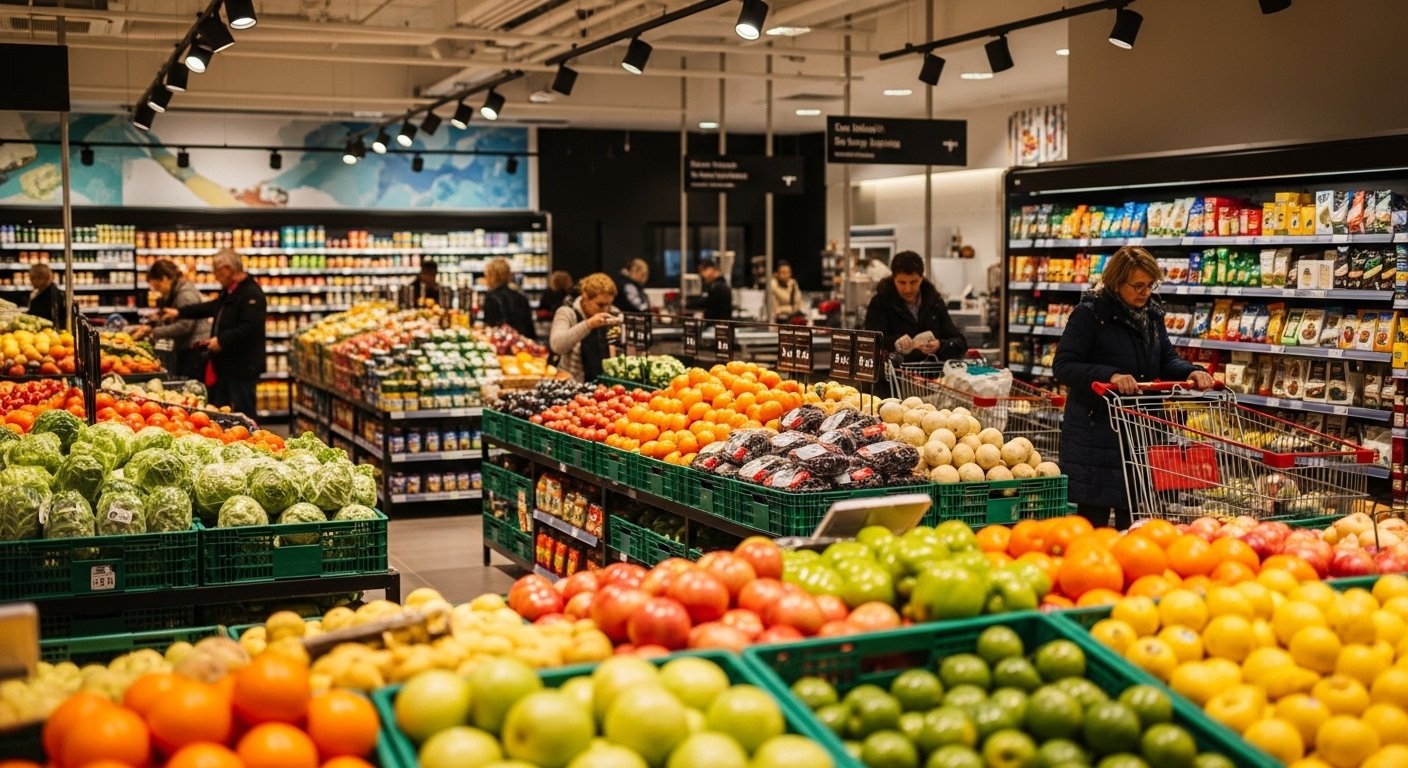
The "invisible" part of the store is the journey the fixtures took to get there. We are currently seeing a shift. Many of our North American clients are asking for production in Vietnam to avoid high tariffs. We have adapted to this. We ship components from China to Vietnam for final assembly to meet "Country of Origin" rules.
However, logistics is full of traps. We often see freight forwarders adding hidden fees—things like "Terminal Handling Charges" (THC) or "Document Fees" that are way above cost. If you are shipping 100 containers of shelving for a new chain of stores, a $200 overcharge per container adds up to $20,000 in lost profit.
We also have to deal with certifications. A display rack in the UK needs different paperwork than one in the US. We have to provide specific wood certifications (FSC) and electrical certifications (UL/CE) for lighted displays. If one piece of paper is missing, the fixtures get stuck at the port. The store opening gets delayed. The retailer loses money. So, while the shopper enjoys the calm, windowless atmosphere, we are in the background fighting to make sure the stage is set on time.
Conclusion
Grocery stores remove windows to control your attention and protect their products. It is a calculated design choice supported by precise engineering, smart materials, and a global manufacturing effort.