
You have probably seen it happen. You are shopping, and you see someone crouching down in the aisle, taking a close-up photo of a shelf bracket or the underside of a table. It feels weird, doesn't it? But they aren't spies, and they aren't weirdos. They are professionals like me, looking for the truth that the glossy finish is trying to hide.
Those "creepers" are likely designers or engineers analyzing display fixtures. They are checking construction methods, material quality, and how the shelf impacts sales. This on-the-ground research ensures future displays are durable, cost-effective, and safe for shoppers.
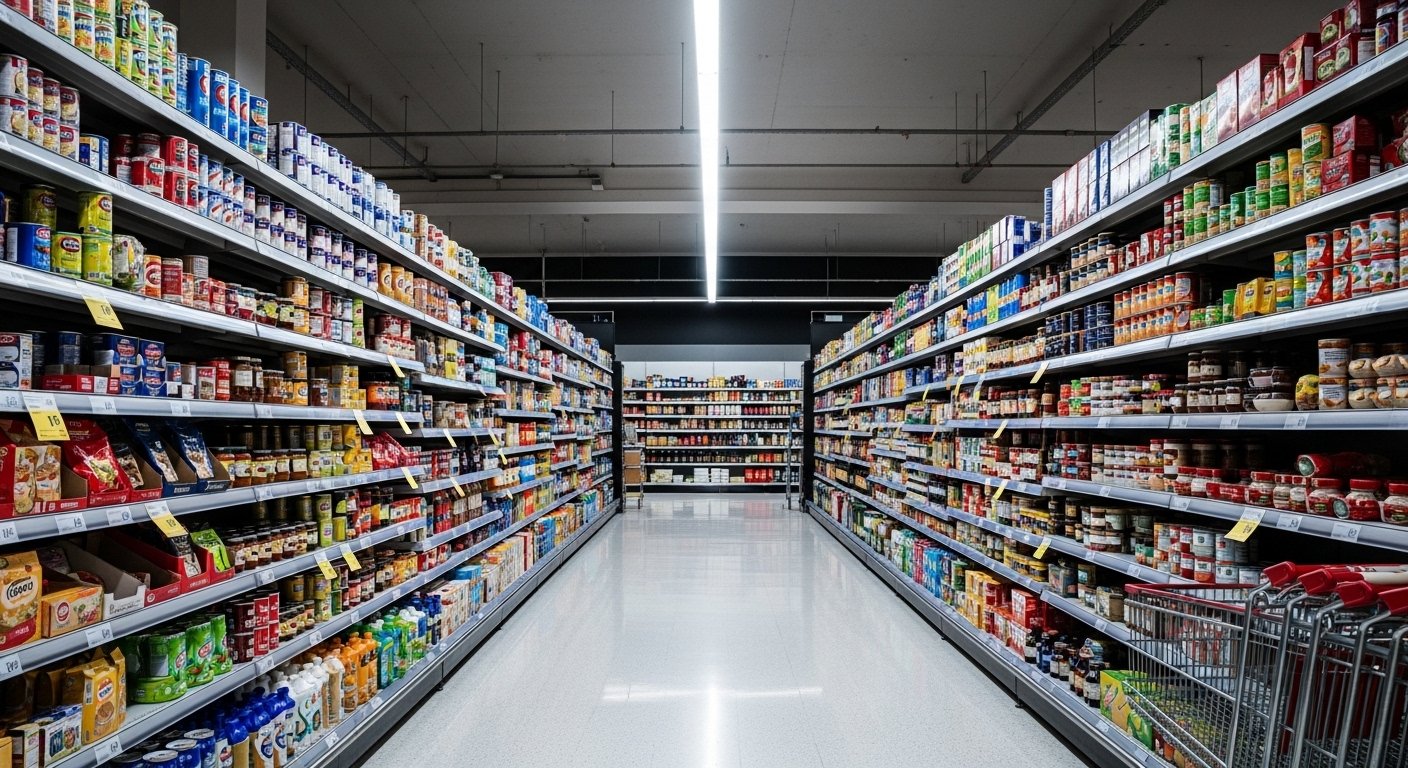
Most shoppers only see the product sitting on the shelf, but we see the engineering behind it. We look for the mistakes that cost brands money and the smart designs that save it. When I walk into a store, I am not looking at the clothes or the electronics; I am looking at the welds, the paint quality, and the stability of the structure. This obsession with detail is what separates a display that lasts six months from one that lasts six years. Let me show you the specific things we look for and the manufacturing secrets that can save your retail business a fortune.
Do we really need expensive molds for every metal part?
You want custom fixtures to make your brand stand out, but the tooling costs scare you. Do you actually need to pay thousands of dollars for a mold you might use once?
For small batches under 50 sets, laser cutting is faster and cheaper than creating molds. Molds are great for high-efficiency mass production, but modern laser technology handles custom shapes without the 15-day wait or the $1,000 tooling fee.
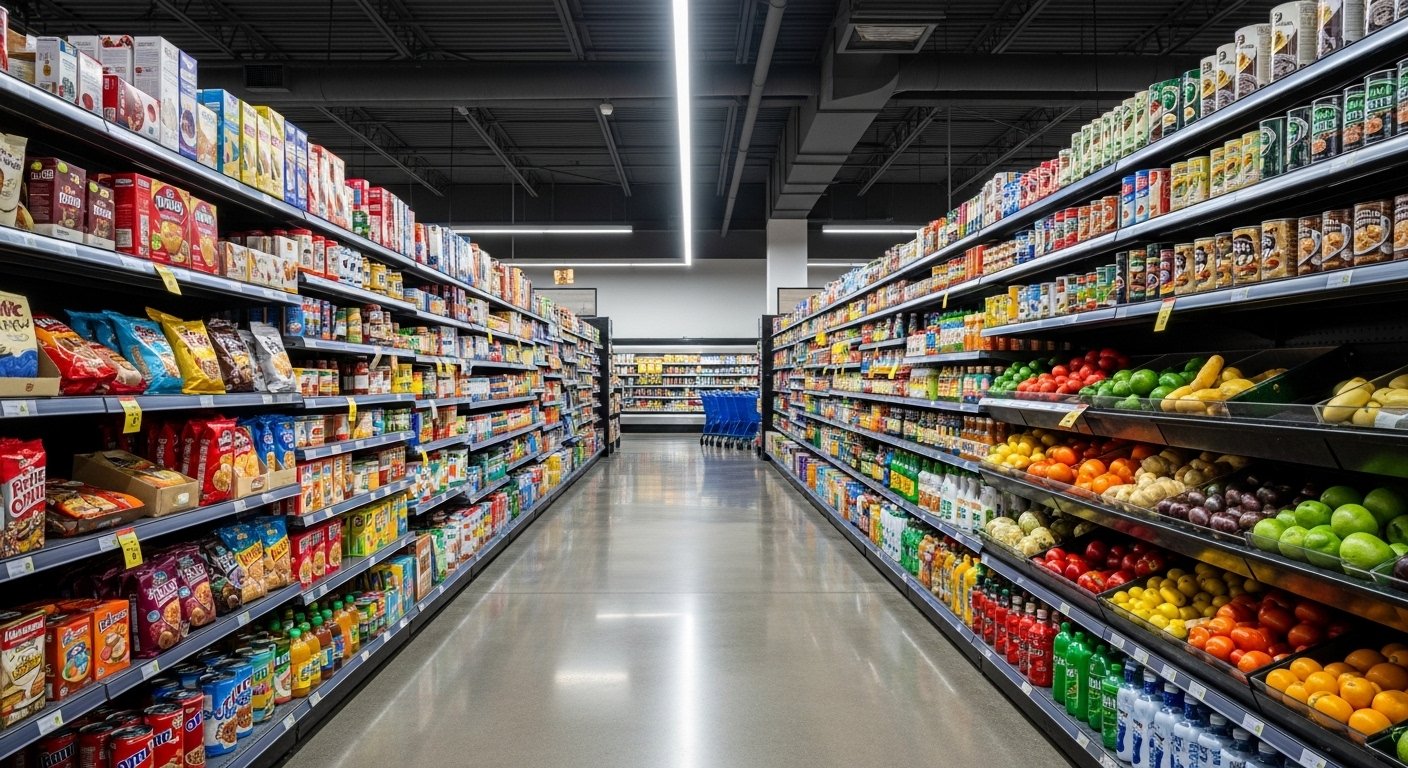
When we discuss metal components, many clients assume they need to pay for expensive molds (tooling) right away. This is a misconception. We always evaluate the order quantity first. If you are ordering fewer than 50 sets, making a mold will increase your costs and delay your project. A metal mold usually costs between $100 and $1,000 and takes 5 to 15 days to create. In these cases, using a laser cutter to slice through iron tubes and plates is the smarter choice. It is precise, requires no setup time, and saves you money.
However, if the shape is incredibly unique or the volume is high, a mold becomes necessary to boost efficiency. For plastic injection parts, molds are more expensive, often exceeding $1,000. If you only need a few plastic parts, we suggest 3D printing. We can achieve smooth surfaces and great colors with 3D printing now. We even use metal 3D printing for special structures in stainless steel or aluminum, with a lead time of just 12 to 36 hours. The goal is always to find the balance between speed, cost, and the final look.
Can Vietnam really match the manufacturing quality of China?
Everyone talks about moving production to Vietnam to save on tariffs. But you worry if the quality will drop and ruin your brand image.
Vietnam is excellent for the North American market due to tariff benefits, but the supply chain is less mature than China's. We bridge this gap by sending Xiamen-trained engineers to manage our Vietnam production, ensuring you get tax savings without sacrificing quality.
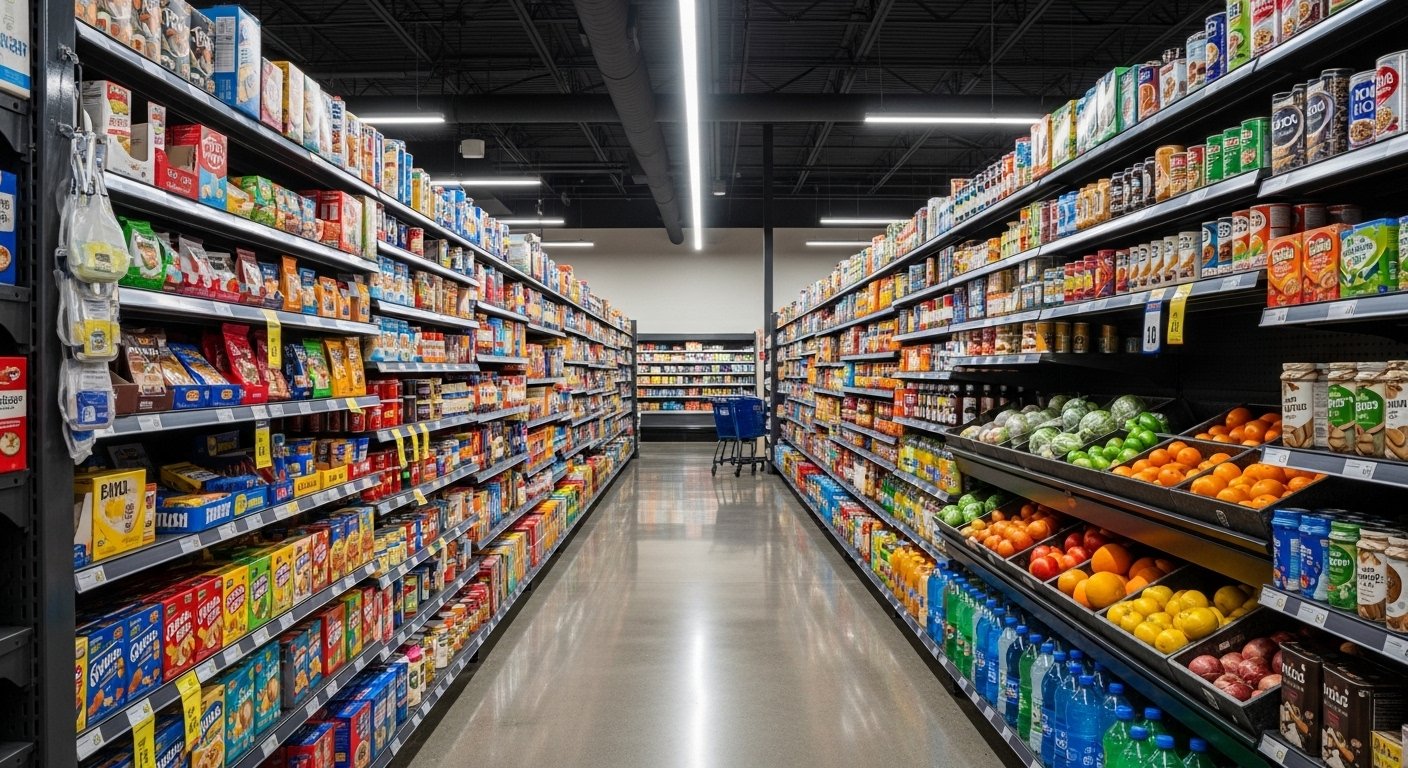
I get asked this question all the time. The honest answer is that Vietnam's supply chain is not as complete as China's yet. In China, we have industrial clusters where every screw, glass panel, and acrylic sheet is available down the street. In Vietnam, sourcing these accessories is harder, and choices are limited. If you rely solely on local Vietnamese suppliers for everything, quality can be unstable because there is less competition driving improvement.
However, we have solved this by using a hybrid approach. For our North American clients, Vietnam is crucial for lowering import duties. The rule is often that if the import ratio is below 40%, it qualifies as Vietnamese origin. So, we might produce the main metal structure in Vietnam (which is heavy and high value) but ship complex accessories or high-quality acrylics from our Xiamen factory to Ho Chi Minh City for final assembly. We also send our experienced management team from China to oversee the Vietnam factory. This ensures the "OEM mindset"—the ability to handle complex, flexible projects—is present. We don't just hope for quality in Vietnam; we transplant our Chinese quality systems there to guarantee it.
Why are you paying to ship air inside your containers?
Shipping fully assembled furniture is the fastest way to burn your budget. You are paying huge freight costs just to move empty space across the ocean.
Switching to Knock-Down (KD) designs can save 50% to 80% on shipping space. While assembly requires labor, the savings on freight and packaging often outweigh the setup costs, especially when using smart, easy-to-assemble structural designs.

When we ship a checkout counter or a large display rack fully assembled, the container fills up very fast, but the weight is low. You are essentially paying to ship air. By designing the product to be Knock-Down (KD), or disassembled, we can save 50% to 80% of the container space. This also reduces the packaging material needed, which lowers your procurement costs.
There is a trade-off, of course. Someone has to assemble it at the store. In North America and Europe, labor costs are high, so you might worry that assembly costs will eat up your shipping savings. This is where good design comes in. We see more designers creating "easy-install" structures that only require one skilled worker to set up. We also design internal components, like uprights and shelves, to be universal. This means if a store layout changes, you can reuse parts, saving money and reducing waste. Furthermore, KD packaging is often safer. A fully assembled cabinet is heavy and can easily get damaged if the ship rocks violently. Smaller, flatter packages are easier to secure and protect.
Why do expensive marble counters crack after installation?
You bought a premium stone counter, but a month later, it has a hairline crack. It’s not just bad luck; it’s usually bad science.
Artificial stone and MDF wood expand at different rates when temperatures change. If the factory doesn't leave expansion gaps or seal the wood properly against humidity, the internal pressure will crack the stone. It is a preventable engineering failure.
We often see complaints about artificial marble cracking after it arrives at a store. Aside from rough handling during shipping, the main culprit is often the environment. Artificial stone and the wood underneath it (usually MDF) react differently to heat and moisture. The expansion coefficient of artificial stone is roughly ten times that of MDF when it comes to temperature. If the store gets hot or is near an AC vent, the stone wants to move, but the wood stays still. If we glued them too tightly without a gap, the stone cracks.
Humidity is even worse. MDF expands significantly when it absorbs moisture—much more than stone does. If the MDF isn't "moisture-proof" or if the edges aren't sealed properly with paint or banding, it swells up like a sponge. This pushes against the stone from the inside. To prevent this, we check the installation environment. Is it facing the sun? Is it near a heater? We also ensure strict manufacturing standards: using moisture-resistant boards and ensuring the stone splicing has room to breathe. These are the technical details that a "creepy" inspector looks for, but they are vital for protecting your investment.
Is your freight forwarder secretly overcharging you?
You look at the FOB price and think you are safe. Then the local charges hit, and suddenly your profit margin disappears into thin air.
Some forwarders quote low ocean rates but hide profit in local fees like THC, document fees, and container weights. Knowing the standard rates for these items allows you to spot overcharges and negotiate a fair price before it’s too late.
In international trade, high fees often appear in the "local charges" section. A buyer might nominate a specific freight forwarder. This forwarder might give the buyer a cheap shipping rate to win the business, but then they charge the factory (me) sky-high fees to make up for it. For example, the Terminal Handling Charge (THC) has a standard index. Maersk might charge around 856 RMB for a High Cube container. But some bad forwarders will charge 1200 RMB. That is pure extra profit for them, coming out of our pockets.
We also see this with document fees and "VGM" (weight verification) fees. A forwarder might charge 160 RMB to file a VGM weight certificate, but if you know how to do it yourself online, it is free or very cheap. When we see a quote that looks wrong, we don't just pay it. We check the standard rates on industry websites and push back. We tell the forwarder, "Your fees are surprising. If you can lower them to the standard, we can work together smoothly." Usually, they back down because they know we are professionals. If you don't watch these small fees—$50 here, $100 there—they add up to thousands of dollars over a year of shipping.
Conclusion
We obsess over welds, shipping fees, and material expansion so you don't have to. Real quality isn't just about looking good; it's about engineering that survives the real world.