
Designing a store is stressful when your vision does not match the final result. Poor execution wastes money and kills brand vibes. I will show you who creates these spaces.
The look and feel of a department store is a collaboration between internal brand teams, external design firms, and Display Fixtures and Bespoke Shopfittings manufacturers. Designers set the visual direction, while manufacturers ensure the structures are functional, cost-effective, and mass-producible across global locations [3][6].
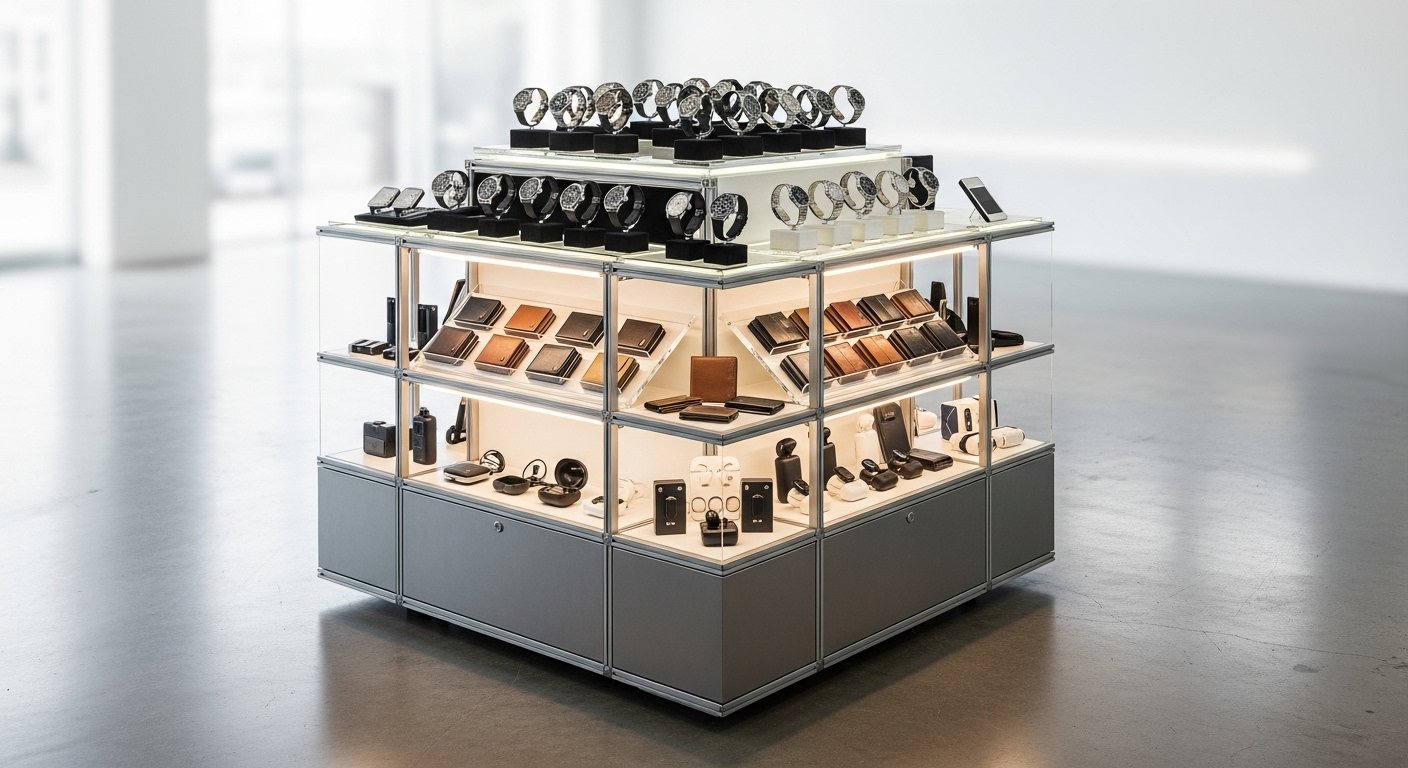
Many people think design ends on paper. But for designers like Mark, the real challenge begins when we move from sketches to the factory floor. Let us see how this works.
How do design firms and global retail brands collaborate to define a store’s visual identity?
Leading paragraph:
Brands often have big ideas that are impossible to build. This gap causes delays and overspending. Strategic collaboration between brands and designers ensures the identity is both beautiful and practical.
Snippet paragraph:
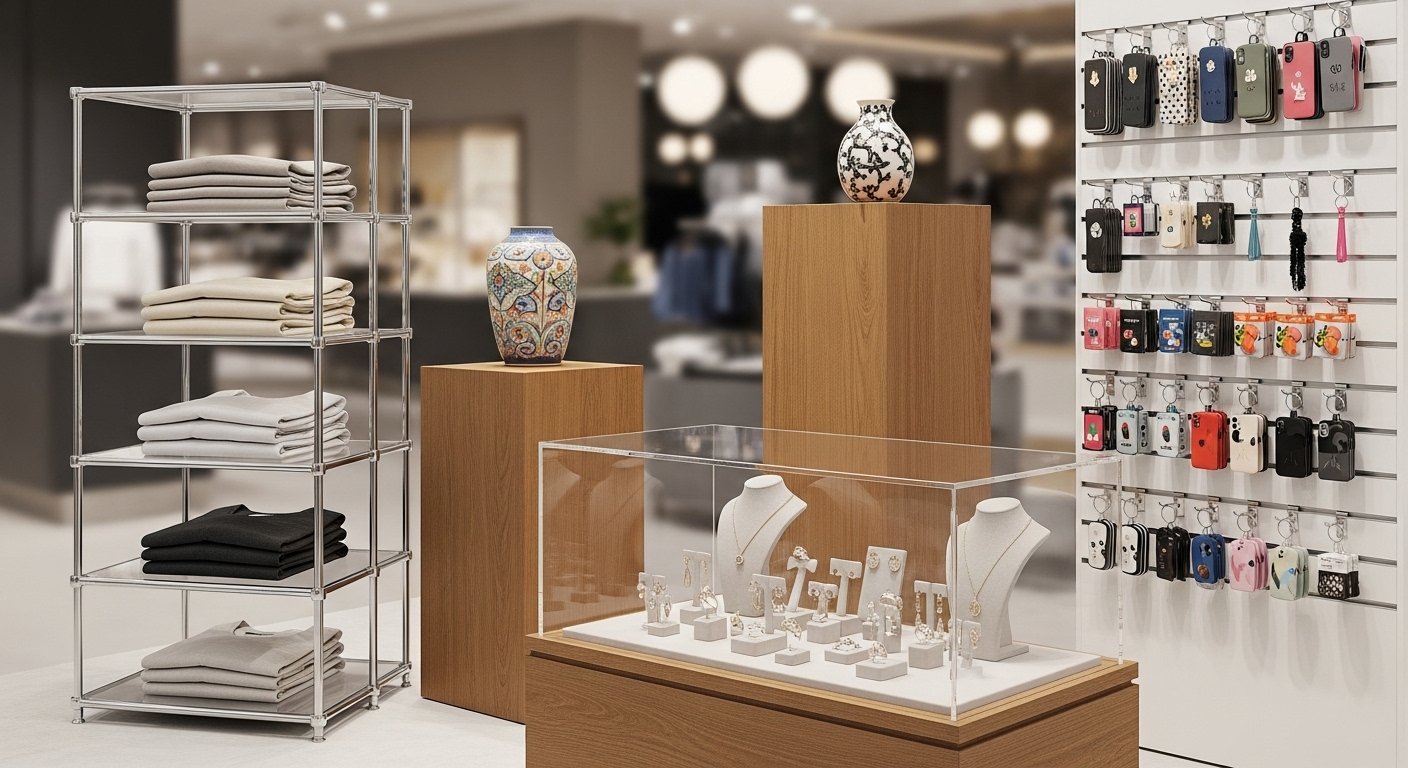
Brands provide the core identity, while design firms translate this into 3D environments. This process involves aligning aesthetic goals with technical specifications, ensuring materials and layouts can be replicated consistently across different regions and store sizes [1][6].
Dive deeper Paragraph:
In my experience, the most successful projects happen when the brand and the design firm speak the same language. The brand usually brings the "soul," which includes colors, logos, and the type of customer they want to attract. The design firm then takes these elements and creates a physical layout. However, I often see projects fail because of a lack of alignment between design, cost, and production reality [6]. Execution fails quietly weeks before anyone notices because specs were unclear or decisions were rushed [6].
To avoid this, we use specification lists. These lists are hard to provide because different malls in different countries, like the UK or USA, require different certificates [3]. For example, some malls need specific fire-rated wood or eco-friendly boards like E0 or P2 standards [3]. I believe that early engineering thinking is the key to a successful roll-out. If we do not align early, the factory just exposes the problem later [6].
| Stakeholder | Primary Responsibility | Key Output |
|---|---|---|
| Retail Brand | Brand DNA and Strategy | Brand Guidelines & Budget |
| Design Firm | Visual Concepts and Layouts | 3D Renders & Technical Drawings |
| Manufacturer | Production and Material Selection | Prototype & Mass Production |
What role do display fixture manufacturers play in bringing a designer's vision to life?
Leading paragraph:
A great design fails if the fixtures are flimsy or ugly. Manufacturers often get blamed for bad quality when the real issue is early communication. Here is how we help.
Snippet paragraph:
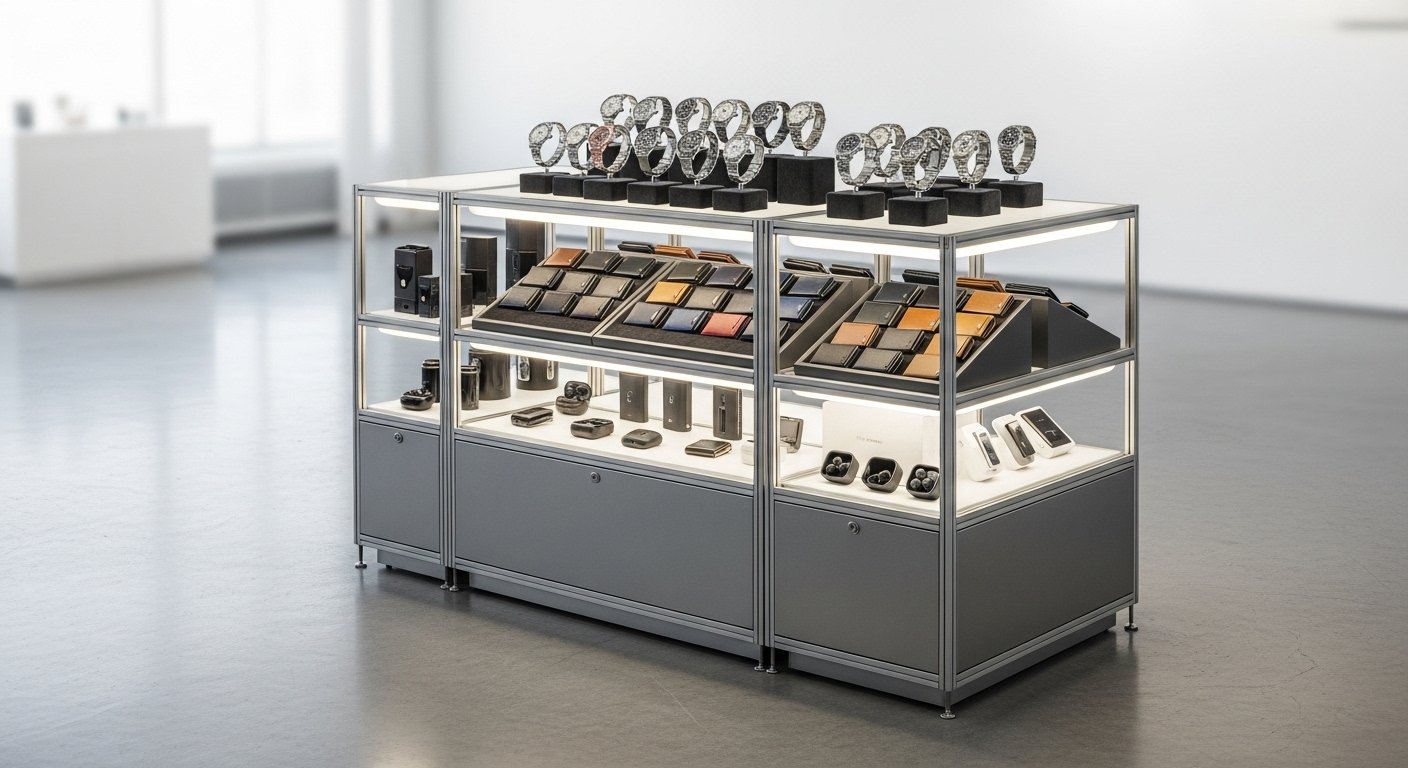
Manufacturers turn designs into reality by optimizing production methods. We decide between custom molds or laser cutting, select appropriate materials, and manage supply chains in China or Vietnam to meet tight deadlines [1][2].
Dive deeper Paragraph:
As a founder of a factory, I see my role as an optimizer. When a designer sends a drawing, I look for ways to make it efficient. For example, we evaluate if we should open a mold for metal parts. If the order is under 50 sets, we usually use laser cutting for iron tubes and plates because it is faster and cheaper than spending $100 to $1000 on a mold [1]. For complex shapes, we even use 3D printing with materials like stainless steel or aluminum to save time, with delivery in 12 to 36 hours [1].
The supply chain is also vital. In China, we have a complete supply belt that allows for highly customized Display Fixtures and Bespoke Shopfittings [2]. In Vietnam, the supply chain is still developing, so we often ship components from China to Vietnam for final assembly [2][5]. This helps our North American clients reduce tariffs while maintaining the same quality standards we have in Xiamen [5]. My goal is always to reduce the risk for the customer by catching mistakes at the desk before they reach the floor [6].
| Production Method | Best For | Cost/Time Impact |
|---|---|---|
| Laser Cutting | Small batches / Custom shapes | Low mold cost / Fast lead time [1] |
| Custom Molds | Mass production (50+ units) | High initial cost / High efficiency [1] |
| 3D Printing | Prototyping / Complex structures | Smooth surfaces / 12-36 hour delivery [1] |
How does the selection of materials and surface finishes impact the "look & feel" across different retail tiers?
Leading paragraph:
Choosing the wrong finish can make a luxury store look cheap. This mistake loses high-end customers and wastes your budget. Material selection is the most critical part of retail design.
Snippet paragraph:
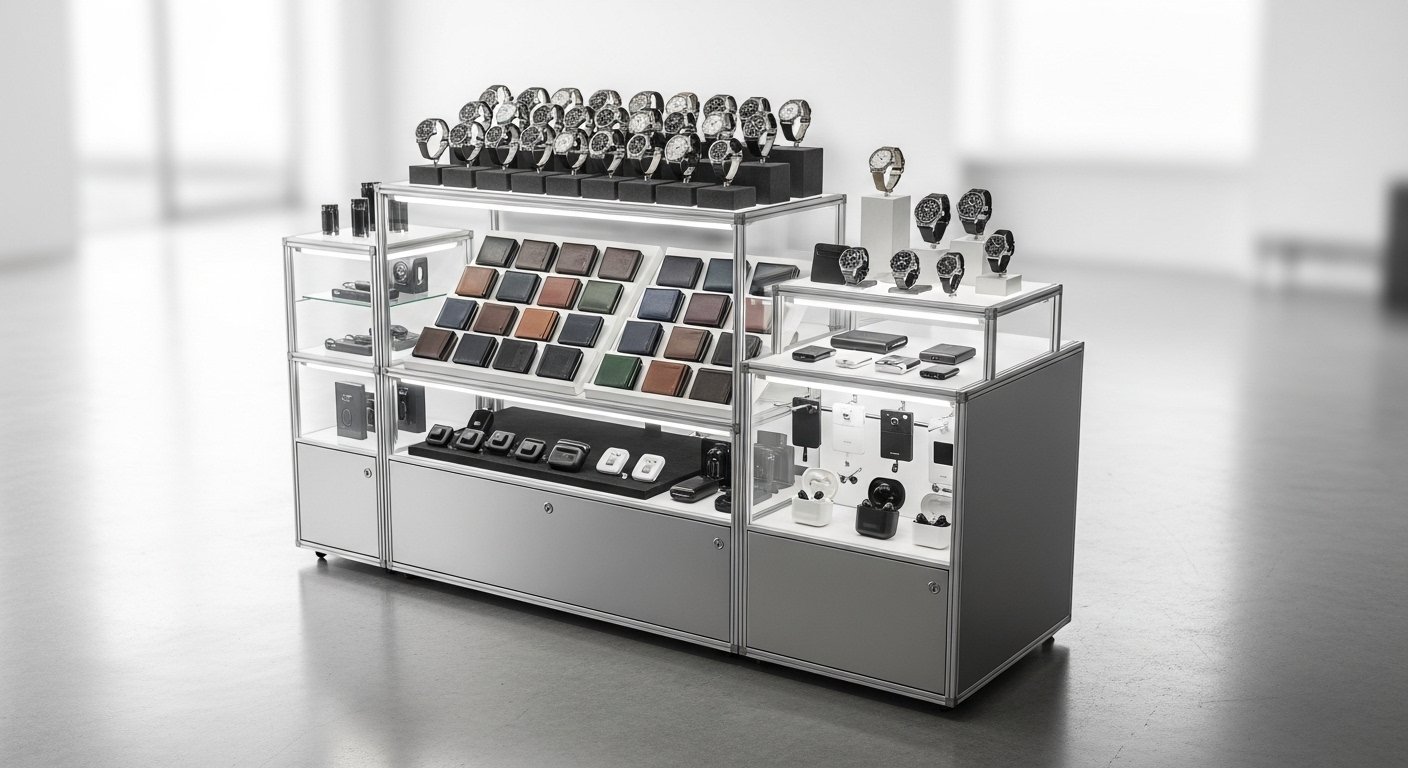
Material choice defines the store's tier. Luxury brands use multiple paint layers and PVD coatings for durability and aesthetics [3][6]. Lower-tier stores rely on laminates and powder coating on particle board to balance cost [2].
Dive deeper Paragraph:
I have learned that the "feel" of a store comes down to the details of the surface. For luxury projects, the paint requirements are very strict. We usually apply at least two base coats and three top coats in a dust-free room [3]. If there is even a tiny bubble or "orange peel" texture, we sand it down and start over [3]. For more affordable retail, we might use "one base and two top coats" or switch to laminates and fire-resistant boards, which offer a good look for a lower price [2][3].
We also use advanced techniques like PVD coating with Anti-Fingerprint (AF) layers [6]. This keeps metal surfaces looking clean even when many customers touch them. When choosing wood, I always explain the difference between MDF, particle board, and plywood. MDF is best for painting or high-gloss finishes, while particle board has better screw-holding power but is rarely used for high-end paint jobs [2]. Understanding these material limits prevents problems like cracking or peeling after the fixtures are installed in the store [3].
| Retail Tier | Typical Materials | Surface Finish |
|---|---|---|
| Luxury | Solid wood, Stainless Steel, Marble | 5-layer paint, PVD coating, No-seam joints [3][6] |
| Mid-Range | MDF, Plywood, Metal tubes | Veneer, High-quality Powder coating [2] |
| Budget/Mass | Particle board, Simple Iron | Laminate, Basic 3-layer paint [2][3] |
Conclusion
The look and feel of a store come from the tight partnership between brands, designers, and manufacturers. We turn creative visions into durable, beautiful realities through smart engineering and materials.