
Jewelry retail is fierce. If your display looks cheap, your diamonds look cheap. You need fixtures that protect your stock and elevate your brand value instantly, without failing over time.
The best jewelry display cases combine ultra-clear tempered glass with PVD-coated stainless steel for durability and elegance. They must feature high-CRI LED lighting to make gems sparkle, secure locking mechanisms, and humidity-controlled storage to protect delicate materials. The structure must be stable to prevent stone bases from cracking.
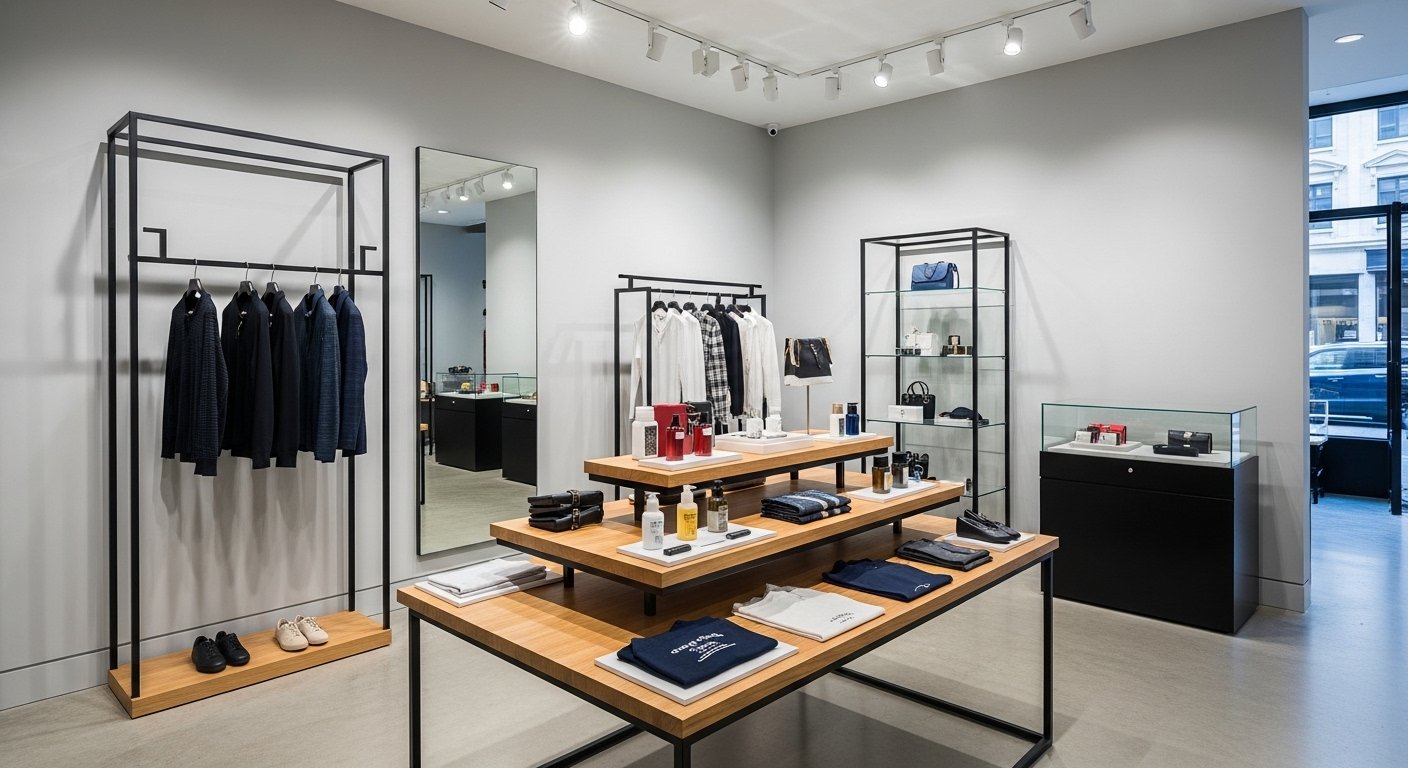
Many brands focus only on the design rendering. They look at the pretty picture and sign the contract. But the real failure happens later. It happens when the gold finish starts to peel, or when a crack appears in the marble base. Let's look at what makes a display case truly last.
Why is PVD stainless steel essential for luxury jewelry displays?
Painted metal scratches easily. In a jewelry store, scratched metal ruins the premium feel. You need a finish that resists fingerprints and daily wear without losing its shine.
PVD (Physical Vapor Deposition) coating creates a thin, hard bond with stainless steel. Unlike paint, it does not chip. When combined with Anti-Fingerprint (AF) technology, it keeps the surface clean even when customers and staff touch the case frequently.
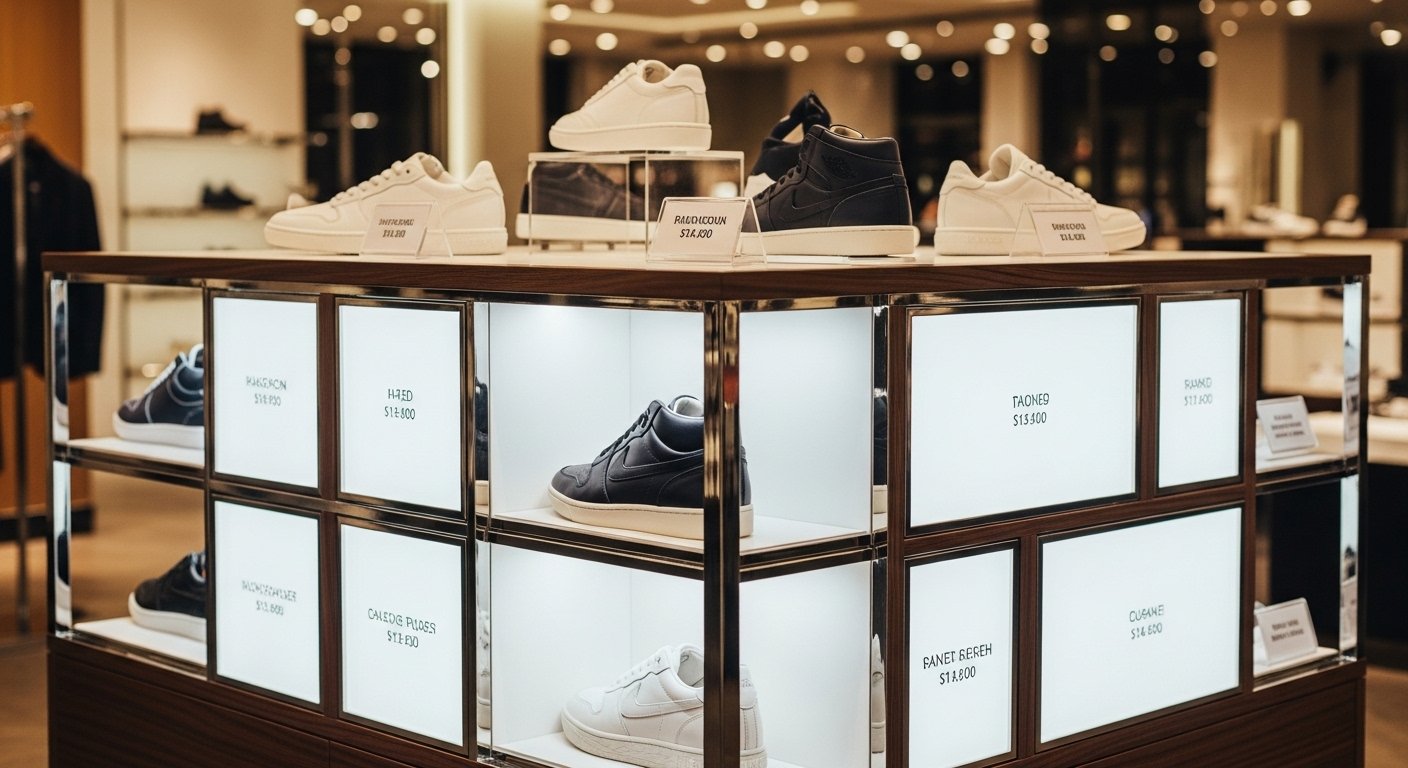
In my experience manufacturing for luxury brands, the surface finish is everything. For a high-end watch or jewelry brand, the metal angles must be sharp and precise. Simple iron tubing often looks too round and cheap. We often use a grooving and bending process on stainless steel to get those sharp, crisp corners. But the real secret is the coating.
We use PVD coating combined with an Anti-Fingerprint (AF) layer. PVD vaporizes metal in a vacuum to create a film that is part of the metal, not just sitting on top like paint. This increases hardness and corrosion resistance. The AF layer uses very small particles to stop oil from sticking. This is vital for jewelry cases because staff are always touching the glass and metal edges. If you use standard paint or cheap plating, it will wear off in a few months.
Here is a simple comparison of why we choose PVD for jewelry fixtures:
| Feature | Traditional Paint | PVD + AF Coating |
|---|---|---|
| Durability | Chips easily if hit | Hard, bonds to the metal |
| Texture | Can look thick or uneven | Retains the metal texture |
| Maintenance | Shows fingerprints clearly | Easy to wipe, resists oil |
| Longevity | Fades over time | Lasts for years |
| Cost | Low | Higher, but better value |
How can you prevent marble bases from cracking in your store?
Real stone looks great but breaks easily. You might see cracks appear weeks after installation. This destroys the look of your expensive jewelry counter and costs money to fix.
Cracking often happens because the internal wood structure expands differently than the stone shell. Using artificial stone with seamless splicing and managing the moisture content of the internal MDF substrate is the key to preventing these ugly fractures.
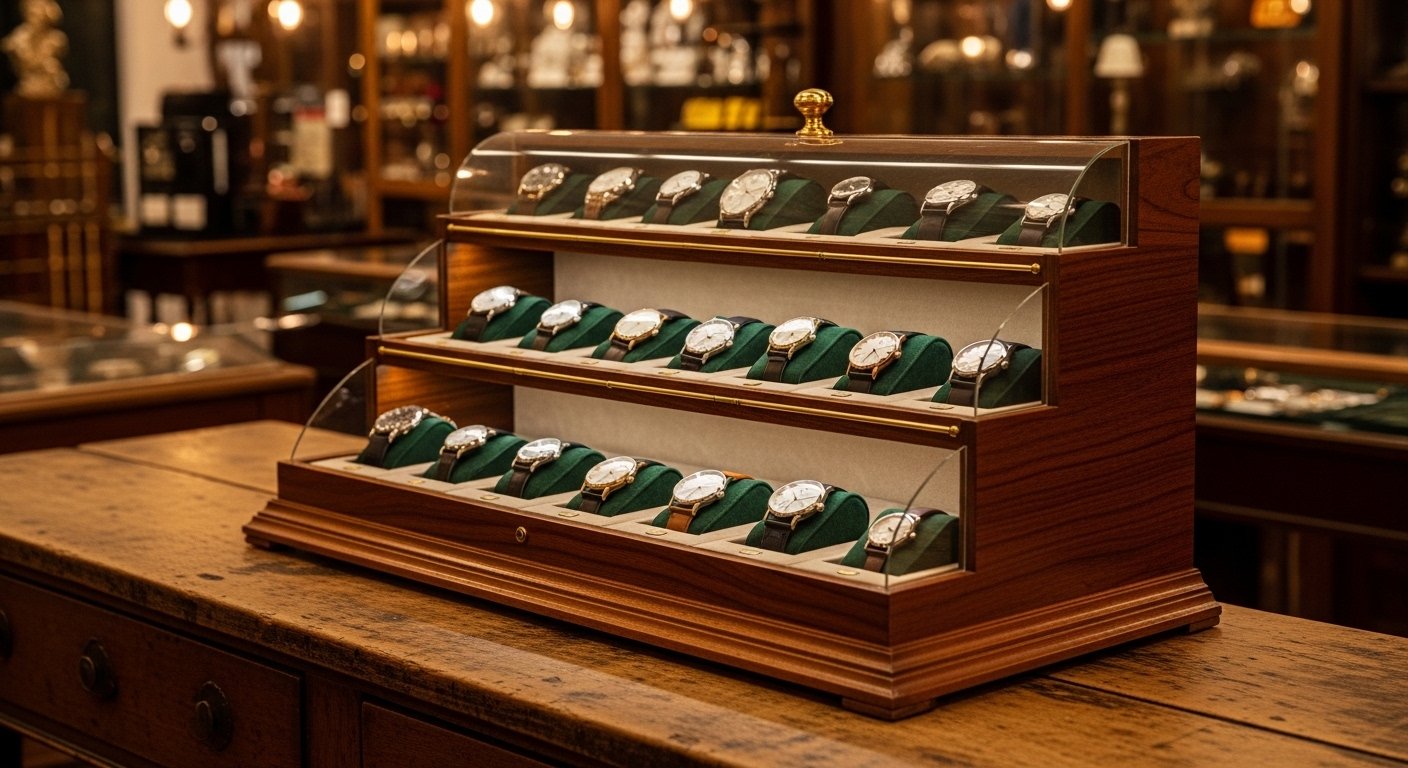
I have seen many complaints about marble cracking after the goods arrive overseas. It is rarely due to shipping damage; it is usually a science problem. We use artificial stone for jewelry counters because we can do seamless splicing, making it look like one solid block. However, the inside is usually MDF (Medium Density Fiberboard).
The problem is the expansion coefficient. Artificial stone expands when it gets hot (about 28~35 units). MDF expands very little with heat (only 3~5 units). So, if your store gets hot, the stone wants to grow, but the wood stays small. This creates stress.
But the bigger enemy is humidity. MDF acts like a sponge. In normal humidity, MDF can shrink or expand significantly—much more than the stone. If the MDF absorbs water, it pushes against the stone from the inside. Since the stone is hard, it cracks.
To fix this in our factory, we do three things:
- Check the environment: Is the counter facing an air conditioner or direct sun?
- Seal the wood: We ensure the MDF is moisture-resistant and edges are sealed to block water vapor.
- Leave a gap: During splicing, we must leave room for the materials to breathe.
Is it better to ship jewelry cases assembled or knocked down?
Shipping costs are eating your margin. Moving heavy, glass-filled jewelry cases across the ocean is risky and expensive. You want to save money without breaking the glass.
Shipping Knocked Down (KD) saves 50% to 80% of container space compared to fully assembled units. However, for complex jewelry counters with glued glass and integrated lighting, shipping semi-assembled modules is often the safest balance between cost and risk.
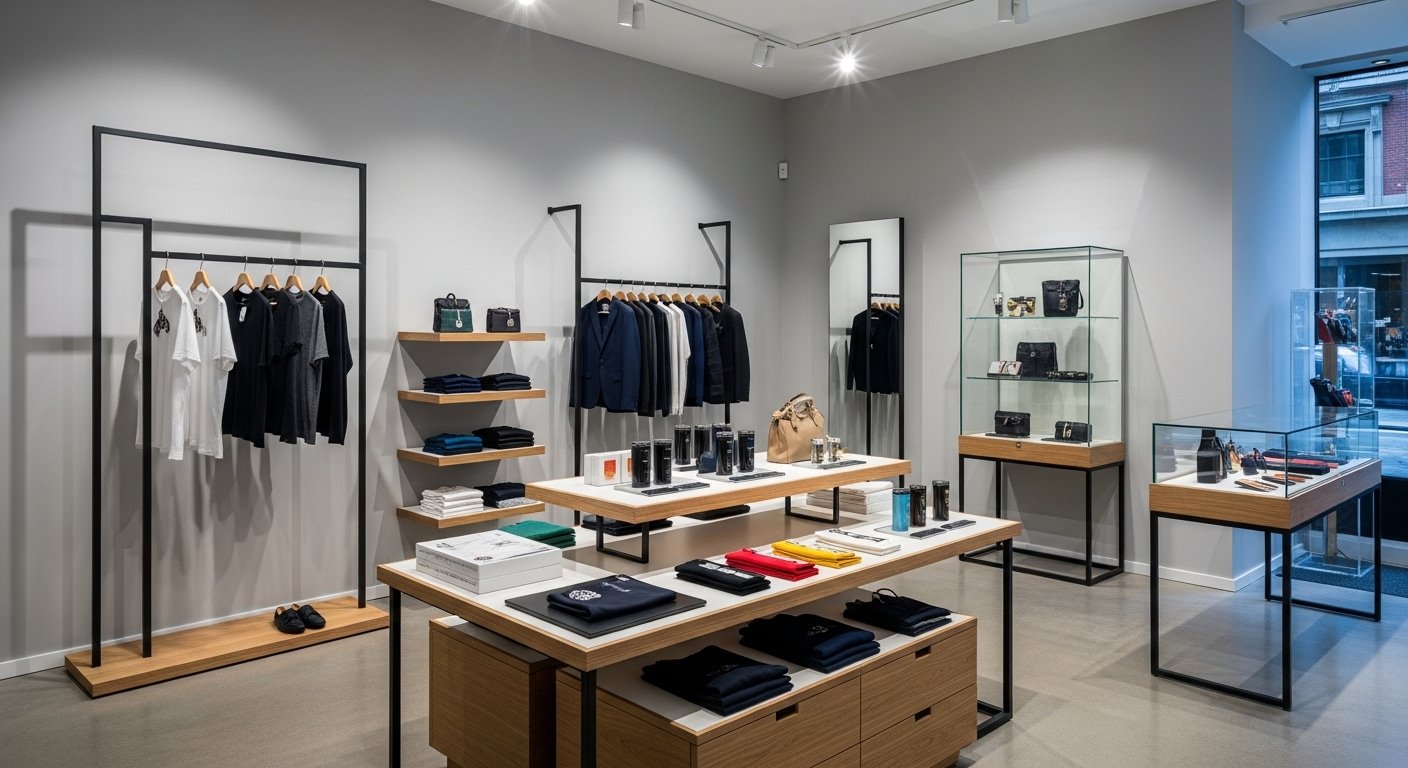
This is a math problem. If we ship a jewelry counter fully assembled, we ship a lot of air. The box is huge, and we need a lot of padding to stop it from shaking on the truck or ship. This makes transport very expensive. If we ship it "Knocked Down" (KD), meaning flat-packed, we can fit way more into a container. This saves you 50% to 80% on sea freight.
However, you must look at labor costs. In China or Vietnam, labor is cheaper than in North America or Europe. If you ship KD, you need to hire people in your local country to build it. A complex jewelry counter is heavy and has many parts. If it takes a US worker 5 hours to build it, that cost might be higher than the shipping money you saved.
Also, modern designers like structures that are easy to install. We try to design fixtures that only need one skilled worker to assemble. But for jewelry, where we have glued glass hoods and pre-wired LED lights, I usually recommend a semi-assembled approach. We build the difficult glass part in the factory, and the base comes flat. This balances safety and cost.
Should you source your jewelry displays from China or Vietnam?
You want the best price, but you are afraid of poor quality. Choosing the wrong country for manufacturing high-end jewelry fixtures can lead to disaster and delays.
For complex, high-finish jewelry cases involving metal, glass, and LEDs, China currently offers a more mature supply chain and better quality control. Vietnam is excellent for wood-heavy or simpler metal fixtures but relies on imported components for high-end details.
I have factories in both China and Vietnam, so I can be honest about this. Many clients ask, "Can Vietnam match Xiamen's quality?" The answer is complex. Vietnam is great for wood products and simple metal structures. It can also help North American buyers save on tariffs.
However, the supply chain in Vietnam is not as complete as in China. For a high-end jewelry case, we need ultra-clear glass, specific LED strips, and high-quality acrylic. Often, we have to buy these parts in China and ship them to Vietnam to assemble. This adds time. If you need a very complex metal shape or a specific PVD finish, China is still the best place. The "OEM mindset"—the ability to handle complex, changing projects—is stronger in China right now.
In Vietnam, if you need a replacement part, it is hard to find quickly. In China, I can find a supplier in hours. If your jewelry project is standard and high volume, Vietnam works. If it is highly custom, unique, and requires perfect details, China is the safer choice despite the tariffs.
How do you ensure your design drawings work in real life?
Drawings often miss small details. When production starts, these small errors become big problems. You need a factory that spots mistakes before they cut the metal.
A good factory does not just follow instructions blindly. They create physical mock-ups to test the structure. They act as builders who interpret the design to ensure it is stable, usable, and cost-effective to manufacture.
Most problems in sourcing do not start in the factory; they start at the desk. I often see drawings that look beautiful but are impossible to build. Maybe the screw hole is 2mm off, or the structure cannot hold the weight of the stone top. If we just follow the drawing, the product will fail.
In my factory, we value "builders" over "designers." Builders understand real things. When we see a risk in the drawing, we don't just hold a meeting. We build a mock-up. We use the laser cutter and welding machine to make a quick sample overnight. This shows us the truth immediately.
For example, a specification list for a UK pop-up store might require certifications that are hard to find. A good supplier spots this early. We check if the material meets local standards (like E0 or P2 for boards). We check if the electrical parts have the right plugs. We fix the drawing before we buy the material. This "speed over talk" approach prevents the quiet failures that you only notice when the container arrives.
Conclusion
To sell luxury jewelry, you need fixtures with PVD finishes, stable stone structures, and smart logistics. Choose a manufacturing partner who understands both engineering and your local market needs.