
Retail is a brutal game. You have excellent products, but they are not moving. The problem is often not what you sell, but how you present it to the world.
A showcase display, often called a display fixture or bespoke shopfitting, is the physical stage for your products. From countertop cases to floor units, the right fixture optimizes space, highlights value, and drives sales. It bridges the gap between a customer browsing and a customer buying.
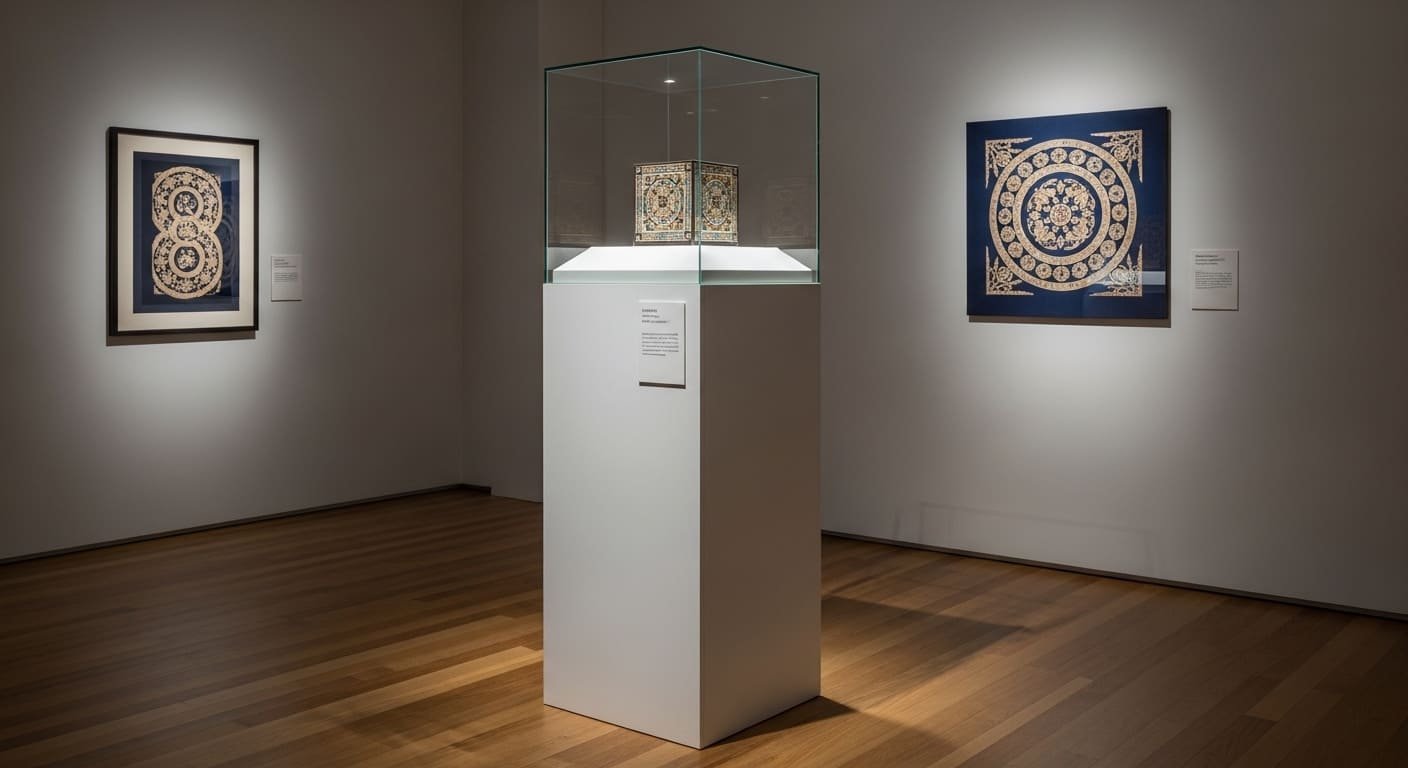
Many brands treat these fixtures as an afterthought. They buy off the shelf and hope for the best. But your display is a silent salesperson. It needs to fit your brand voice and your store layout perfectly. If you get this wrong, you waste money on floor space. If you get it right, you create an experience. Let me share how we handle this complex world of manufacturing and design.
What are the different types of displays you can use in your store?
You walk into a store and see clutter. You know you are losing sales because customers cannot find what they need, but you do not know which fixture solves the problem.
The options are vast. You can use end-caps to capture high traffic at the end of aisles, or countertop displays to trigger impulse buys at checkout. Floor displays interrupt the shopper's path to highlight new items, while inline displays organize your main inventory efficiently on the shelf.
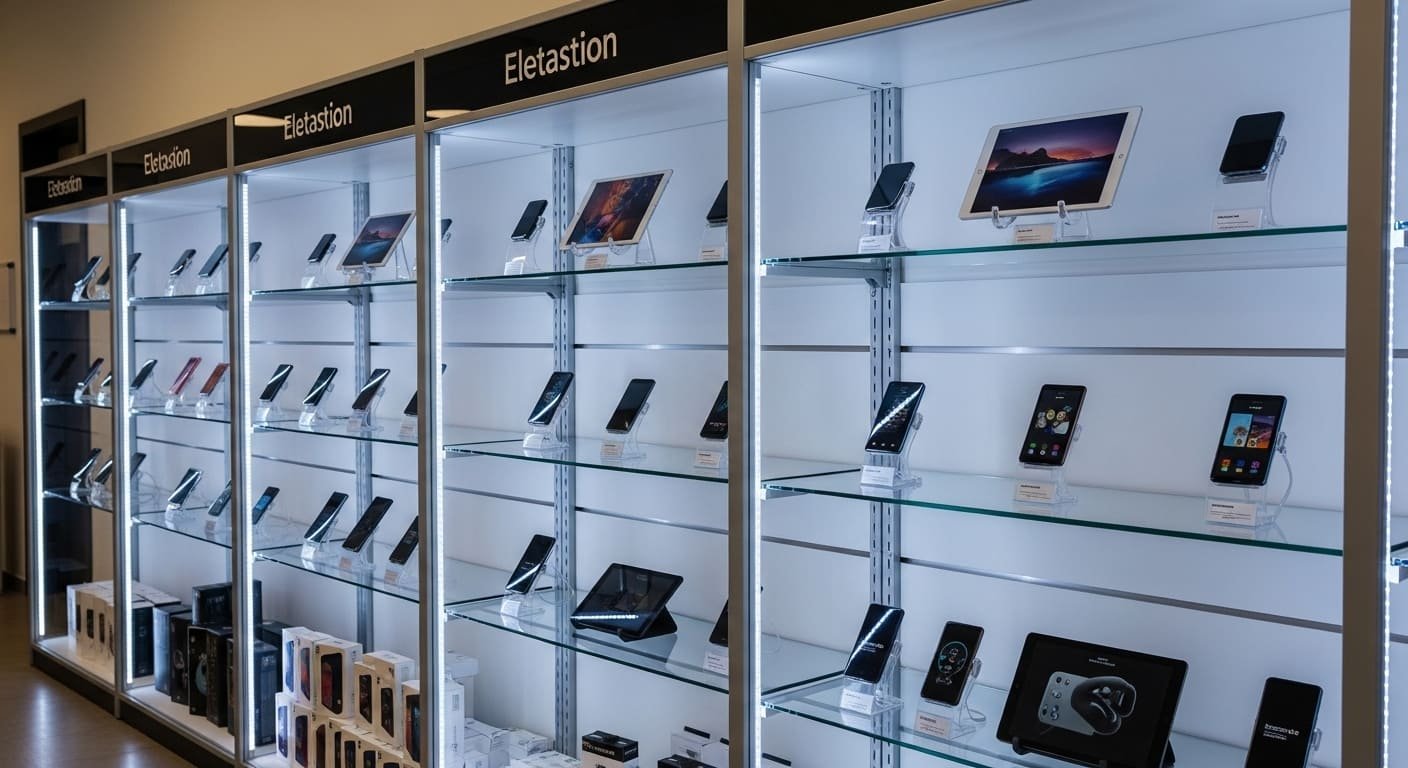
To make the right choice, you need to understand the specific role of each fixture. Let's break down the most common types we manufacture. First, we have End-cap Displays. These sit at the end of an aisle. Studies show they can account for up to 30% of supermarket sales. They are perfect for seasonal items or discounts because they are impossible to miss. Next, we have Floor Displays. These stand alone in the aisle. They physically stop the customer. We often design these to be at eye level so the product is right in the shopper's face.
Then there are Countertop Displays. These are small soldiers sitting at the checkout. They work best for small, consumable items that people buy on impulse. We also build Dump Bins, which are great for irregular items like plush toys or snacks in high-volume stores like Walmart. Finally, there are Pallet Displays. These are large, efficient units used in big-box stores. We design them so the retailer can just fork-lift them into place and open the box. It saves labor time for the store staff. Each type serves a different psychological trigger in the shopping journey. You must mix and match them to guide your customer through the store effectively.
How do we balance manufacturing costs with high quality?
Custom fixtures often come with shocking price tags. You worry about high tooling costs destroying your budget before you even sell a single item, especially for small trial orders.
We evaluate tooling based strictly on volume. For small batches of metal, laser cutting is faster and cheaper than making molds. For plastic, we can use 3D printing instead of expensive injection molds to get smooth, colorful parts without the heavy upfront investment.
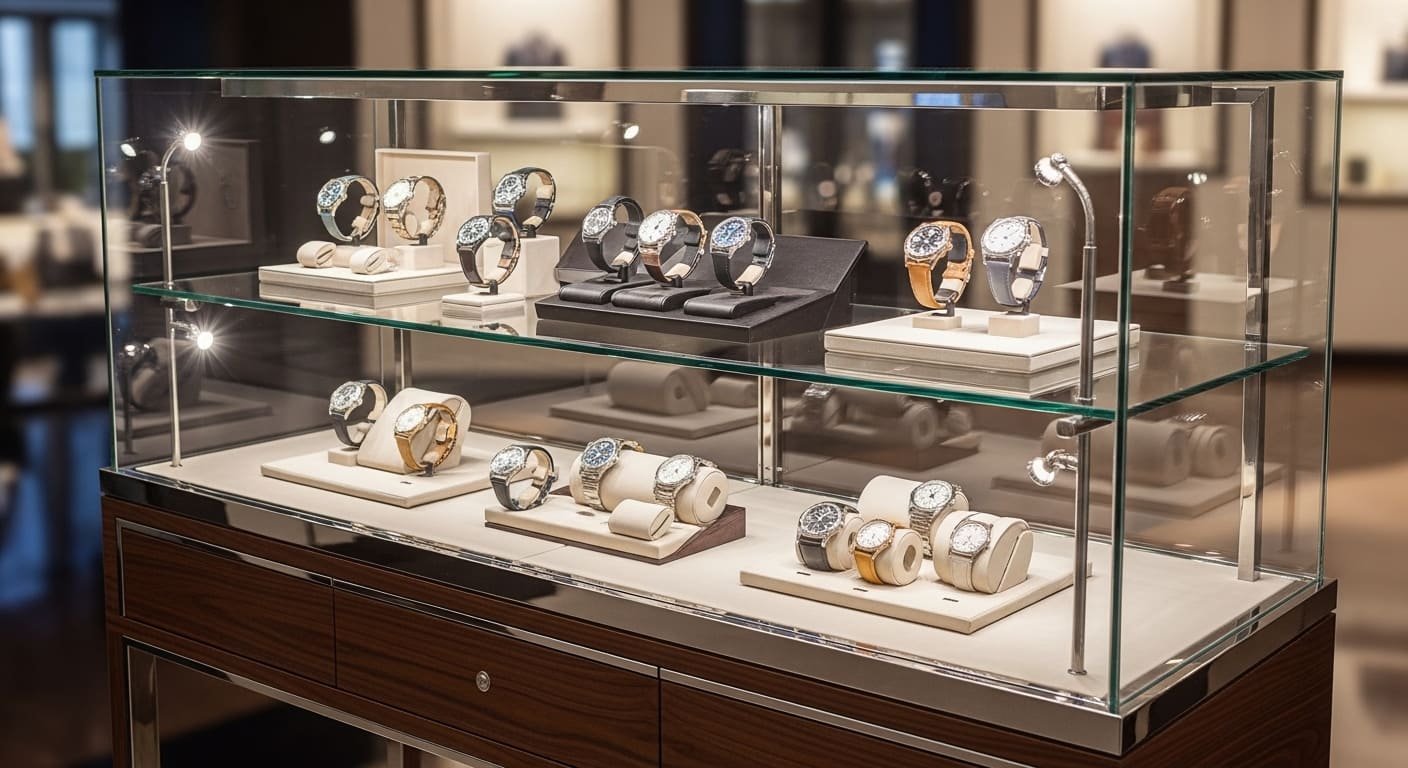
Cost control starts with choosing the right process. In my factory, we look at the numbers first. If you need metal parts, we have to decide if we should open a mold. Molds for metal usually cost between $100 and $1000. If you are only ordering 50 sets, paying for a mold adds too much cost and delays the project by 5 to 15 days. In this case, we use laser machines to cut iron pipes and plates. It is faster and cheaper for small runs.
For plastic, the difference is even bigger. Injection molds often cost over $1000. If the quantity is small, I always recommend 3D printing. We can achieve a smooth surface and great color, and we can deliver metal 3D printed parts in 12 to 36 hours. This applies to iron, stainless steel, and aluminum. Of course, if you are a big chain store doing a massive rollout, opening a mold is better for efficiency. But for custom bespoke shopfittings, we avoid molds unless the shape is extremely weird or the volume is huge. We also focus on powder coating. We calculate the powder usage precisely for every order to reduce waste. Advanced equipment helps us control the thickness perfectly, saving money and helping the environment.
Should you manufacture in China or Vietnam?
You want the best price, but you are afraid of quality drops. You hear Vietnam is cheaper for tariffs, but you wonder if their supply chain can handle complex designs.
Vietnam is great for the North American market due to lower tariffs, but its supply chain is still developing. China remains superior for complex, custom fixtures requiring diverse materials and accessories. We use a hybrid strategy, shipping complex components from China to be assembled in Vietnam.
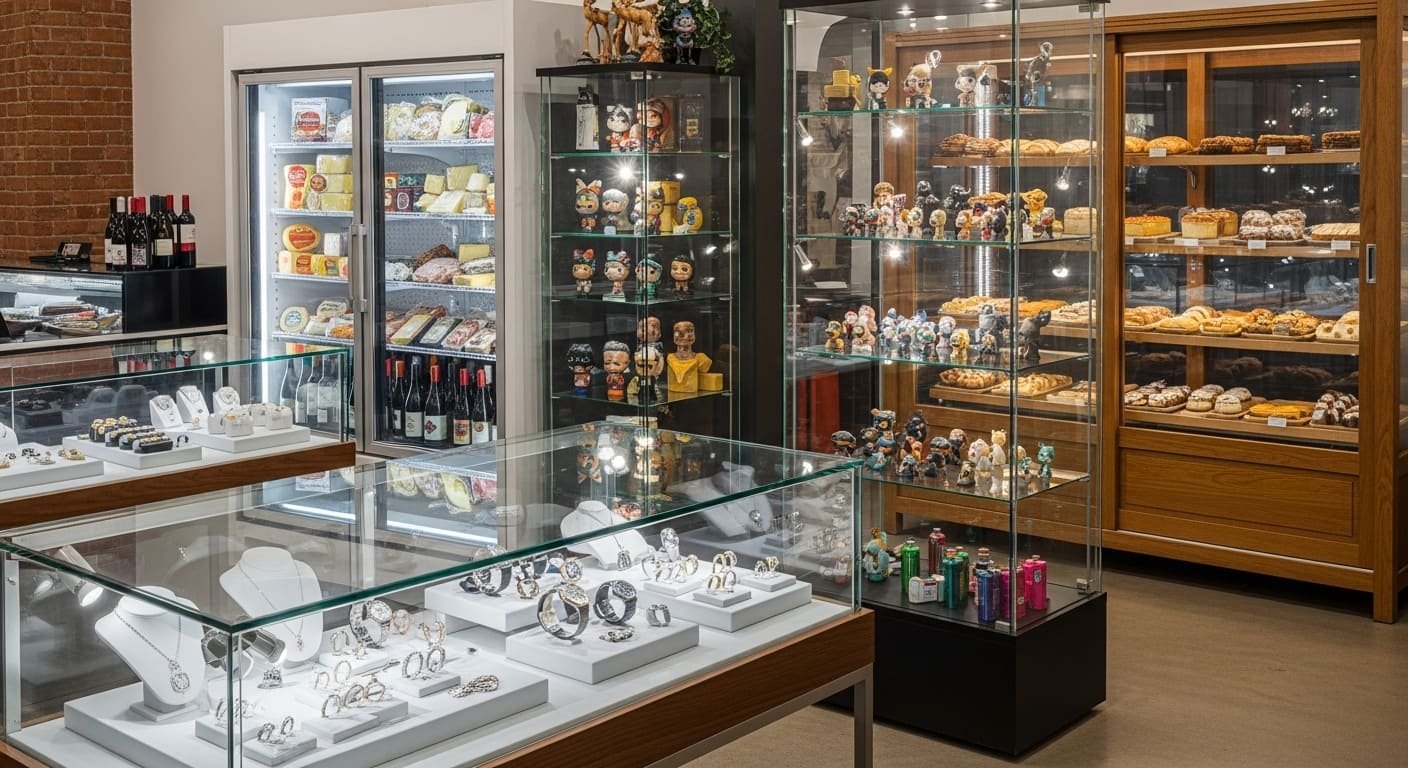
This is the most common question I get. I have factories in both places, so I can be honest. Vietnam is currently better for the North American market if you want to save on import duties. However, the supply chain there is not as complete as in China. In Vietnam, it is hard to find high-quality suppliers for accessories. In China, there are industrial belts with intense competition, which drives prices down and quality up. In Vietnam, choices are fewer.
For example, if we make a metal fixture in Vietnam, we might need to import the acrylic or glass parts from China. As long as the local value add in Vietnam (labor and local materials) is high enough, usually around 60% of the total value, it still qualifies as "Made in Vietnam" for tariff benefits. But for the European market, Vietnam has no advantage. China is better. China has the mature skills for complex finishes like high-end powder coating or chrome plating that luxury brands need. Also, logistics in Vietnam can be slower. If you have been there, you know the roads are full of motorcycles and travel takes time. We have spent two years training our Vietnam team to match our Xiamen quality standards, but for highly complex, material-heavy custom projects, China is often still the safer, faster choice.
How do different wood materials impact your display quality?
You see a wood shelf and think it looks fine, but two months later it is warping or peeling. You chose the wrong material for the environment.
Material choice dictates longevity. Particle board is cheap but weak. Plywood is strong but can warp if not sealed. MDF is the best for painting and smooth finishes. Understanding the density and moisture resistance of these woods prevents expensive failures later on.
Let's get technical about wood because this is where many projects fail. First, Particle Board. This has the lowest density. We almost never use it for painted surfaces because it looks rough. It is mostly for internal structures that no one sees. It holds screws better than MDF but worse than Plywood. Second, Plywood (Multi-layer board). This is strong and light. We use it for structural frames. The downside is that the surface is hard to make perfectly flat. If you try to do a high-gloss paint on it, you might get bubbling later.
Third, MDF (Medium Density Fiberboard). This is the king for painting. It is dense and smooth. For luxury brands, we use high-quality MDF. We apply at least 2 base coats and 3 top coats of paint. We test the hardness with pencils—usually, we aim for 2H hardness. We also check it with alcohol wipes to ensure the color doesn't fade. Finally, a note on Artificial Stone vs. MDF. Stone expands with heat; MDF expands with humidity. If you mix them in one fixture without leaving a gap for expansion, the stone will crack. We see this happen when displays are placed right under an AC vent or in direct sunlight. You must design for the material's physical properties, not just its look.
How can smart shipping strategies save you money?
Shipping air is the fastest way to burn your profit. You pay for a full 40-foot container, but half of it is just empty space inside your assembled cabinets.
Switching to Knock-Down (KD) designs can save 50% to 80% of container space compared to pre-assembled units. While it requires on-site assembly, the savings on ocean freight and packaging materials usually outweigh the local labor costs, especially for large items.
Shipping is a hidden cost that kills margins. If we ship fully assembled fixtures, we have to fill the box with huge amounts of packaging material to stop them from breaking when the ship or truck shakes. This is expensive and wasteful. The better way is Knock-Down (KD) design. This means we design the fixture to be taken apart and packed flat.
This saves a massive amount of space. You can fit way more units in a container. Yes, you have to pay someone to assemble it at the store. But consider this: labor in China and Vietnam is cheaper than in Europe or North America. However, the cost of shipping "air" across the ocean is huge. Usually, the shipping savings are bigger than the assembly cost. Plus, modern designers are making fixtures easier to assemble. Often, one skilled worker can do it quickly. We also design parts to be modular. If a part breaks, you just replace that part, not the whole unit. This lowers your maintenance costs in the long run.
What are the future trends in retail displays?
Retail is changing fast. If your store looks the same as it did five years ago, you are already falling behind competitors who are using smart, emotional designs.
The future is smart, sustainable, and modular. We are seeing a shift toward AI-integrated displays that interact with shoppers, modular designs that adapt to different spaces, and eco-friendly materials that reduce the carbon footprint of your store rollout.
The old way of "stack it high and watch it fly" is dying. We are seeing five major trends. First, Smart Interaction. Displays now have sensors and screens. Imagine a counter that recognizes the product you picked up and shows you a video about it. Second, Modularity. Retail spaces change. We are building fixtures that snap together like Lego. You can turn a wall unit into a floor display. This saves money because you don't buy new props for every campaign.
Third, Sustainability. Brands want "Zero Carbon." We are using recycled plastics, bamboo, and biodegradable materials. Fourth, Emotional Scenes. It is not just about the shelf; it is about the feeling. We use lighting, scent, and texture to create a mood. Finally, Localization. A store in Texas should look different than a store in Tokyo. We are seeing brands use local cultural elements in their fixture designs. As a factory, we have to be ready to build these complex, tech-heavy, and culturally specific designs. It is no longer just welding iron; it is about building an ecosystem.
Conclusion
Success in retail display comes from balancing design impact with engineering reality. Choose the right materials, optimize for shipping, and partner with a transparent manufacturer to protect your margins and brand.