
Many retail brands have a great concept but fail at the execution stage. I see this happen often. You need to understand how design connects to the factory floor.
Retail design is the process of translating a brand's story into a physical space using display fixtures, lighting, and layout. It goes beyond aesthetics. It involves engineering, material selection, and supply chain management to create a store that sells products and builds customer loyalty.
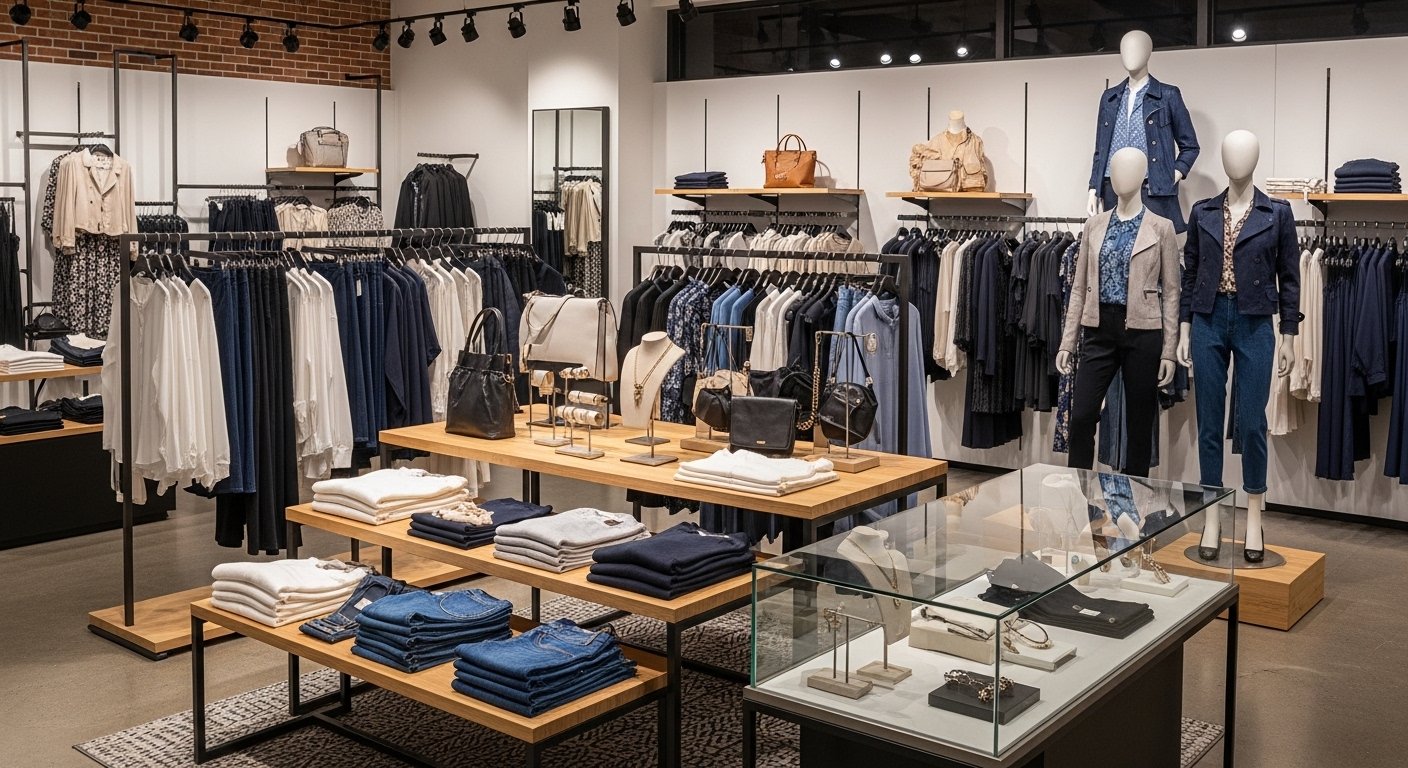
If you think design is just about pretty drawings, you should stop reading now. If you want to know how to build a store that lasts and makes money, keep reading.
How do display fixtures and bespoke shopfittings translate a brand’s identity into a physical retail space?
Your brand identity is not just a logo. It is the feeling a customer gets when they walk into your store. Bad fixtures destroy that feeling instantly.
Display fixtures act as the physical touchpoints of your brand. Whether it is a checkout counter or a wall shelf, the quality and finish of these items tell the customer if you are a luxury brand or a discount store.
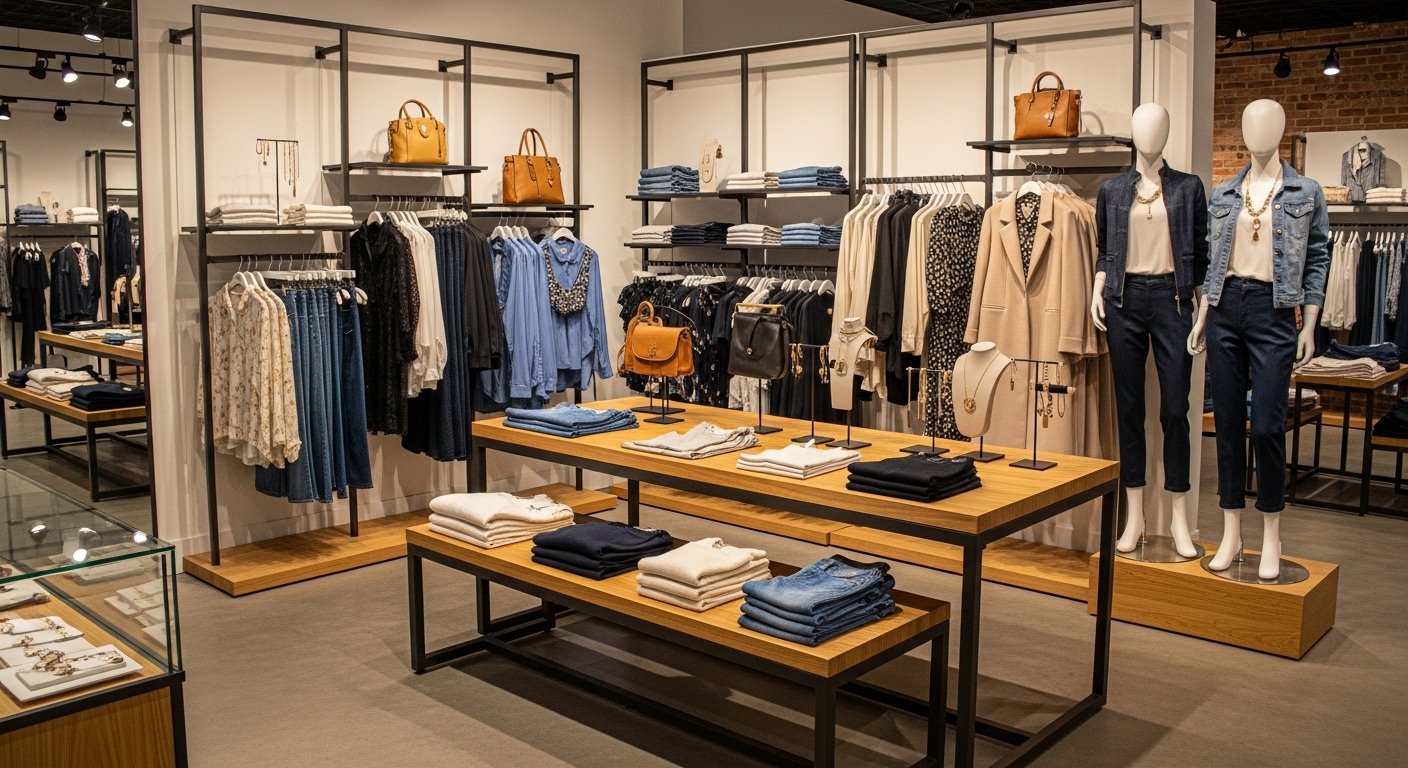
I have seen many brands make the same mistake. They have 1,000 stores with different floor plans. Some are old. Some are new. They try to force a single standard fixture into every store. It does not work. In one store, the fixture blocks the aisle. In another, it looks too small. The brand experience becomes broken.
A real manufacturing partner does not do "one size fits all." We create a family of fixtures. The design intent remains the same. The engineering changes to fit the reality of the store.
We need to look at specific types of fixtures:
- End Caps: These sit at the end of an aisle. They generate about 30% of supermarket sales. They must be durable.
- Dump Bins: These hold small items like snacks or toys. They need to look full but not messy.
- POS Displays: These sit on the counter. They encourage impulse buys.
For luxury brands, the surface finish is everything. I recently worked on a watch brand display. They wanted a gold-plated stainless steel surface. It had to match the watch exactly. We used PVD (Physical Vapor Deposition) coating with an Anti-Fingerprint (AF) layer. This technology is used in car interiors and phone screens. It keeps the metal looking clean even after hundreds of people touch it.
Standard painted iron is not enough for luxury. You need to understand the difference between a "drawing" and a "built object." Designers draw sharp corners. Builders know metal needs a radius. We bridge that gap. We make the brand identity physical and durable.
What are the key considerations in choosing materials and manufacturing processes for high-quality retail displays?
Materials account for a huge part of your budget and quality. Choosing the wrong wood or metal process will lead to expensive rework later.
The key is to balance the visual requirement with the production volume. Low-volume orders should use flexible processes like laser cutting, while high-volume orders justify the cost of molds to lower the unit price.
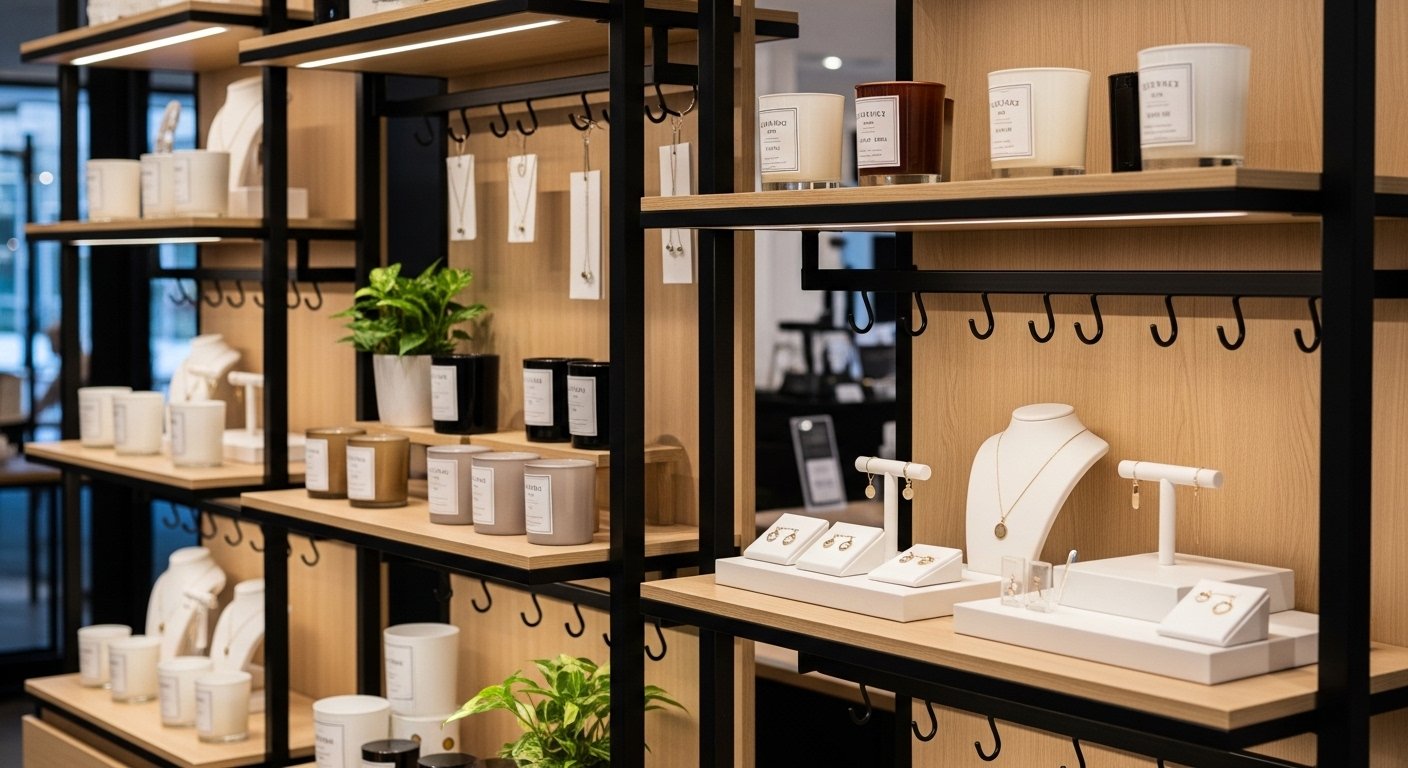
You need to know your materials to control costs and quality. Let me break down the common choices I use in my factory every day.
Metal:
If you need fewer than 50 sets, do not open a mold. It costs $100-$1000 and takes 15 days. We use laser cutting for tubes and plates. It is faster and cheaper for small batches. If you need special shapes or large quantities, molds become efficient. For complex parts, we can even use metal 3D printing (stainless steel or aluminum) with a 12-36 hour lead time.
Wood:
- Particle Board: Low density. Cheap. Good for internal structures. Not good for painting.
- MDF (Medium Density Fiberboard): The best for painting and veneers. It is smooth.
- Plywood: Stronger than MDF. Holds screws well. Hard to get a perfect painted surface because of the grain.
Finishing Standards:
For painting, standards vary. A Walmart fixture needs a basic finish. A luxury brand needs a "piano black" finish. This requires a dust-free room and negative pressure. We test paint hardness with pencils. A 2H pencil should not scratch the surface.
The Stone Cracking Problem:
I often see complaints about artificial stone counters cracking. It is usually not the stone's fault. It is the substrate.
| Material | Expansion Factor | Cause of Expansion |
|---|---|---|
| Artificial Stone | High (Thermal) | Expands with Temperature changes. |
| MDF Substrate | High (Hygroscopic) | Expands with Humidity changes. |
MDF expands with moisture. Stone expands with heat. If you glue them tight and the environment changes, something breaks. The stone usually cracks. We solve this by sealing the MDF perfectly or leaving expansion gaps. You must consider the HVAC placement in the store. This is the level of detail required for high-quality manufacturing.
How can optimized structural design and global supply chain strategies (e.g., China vs. Vietnam) balance retail aesthetics with cost-efficiency?
Shipping air is the fastest way to lose money. Smart structural design can save you 80% on logistics costs before the product even leaves the factory.
Optimized design focuses on Knock-Down (KD) structures that ship flat. Combining this with a strategic choice between China and Vietnam for production allows you to navigate tariffs and labor costs effectively.
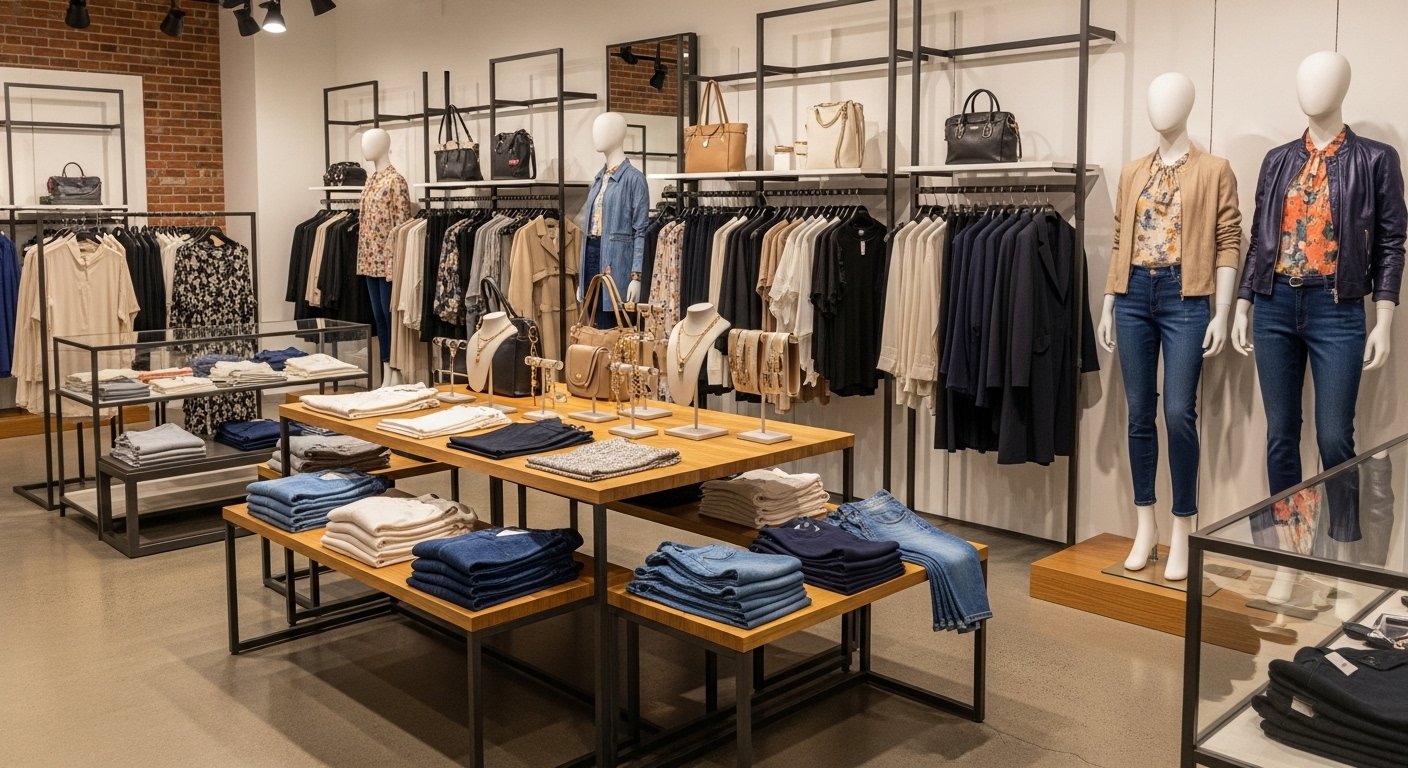
Shipping fully assembled fixtures is a waste. You pay to ship empty space inside a cabinet. We design fixtures to be Knock-Down (KD). This saves 50% to 80% of container space.
However, KD brings a new challenge: installation. Labor in the US or Europe is expensive. We cannot send a puzzle to the store. We design structures that a single worker can assemble quickly. We use fewer screws and more smart connectors.
China vs. Vietnam:
Many clients ask me about Vietnam. Here is the truth.
- China: Complete supply chain. Fast. High skill. Best for complex metal and wood projects.
- Vietnam: Good for avoiding US tariffs. Lower labor costs. But the supply chain is weak.
To get the tariff benefit in Vietnam, you need to meet the "local content" rule. The imported value must be less than 60%. If we make a metal rack in Vietnam but import the glass from China, it usually qualifies. But if we import all the parts and just assemble them, it does not work.
Vietnam is slower. Materials like acrylic are more expensive there than in China. Sourcing special hardware in Vietnam is hard. You often have to wait for parts to arrive from China.
Hidden Logistics Costs:
You also need to watch your freight forwarders. They add fees.
- THC (Terminal Handling Charge): Should be around 850 RMB. Some charge 1200.
- VGM (Verified Gross Mass): You can submit this yourself for free. Forwarders charge for it.
We help clients navigate these waters. We calculate the powder coating usage precisely. We design for the container. We choose the right country for the specific project. It is not just about the price of the metal. It is about the total landed cost.
Conclusion
Retail design succeeds when creativity meets manufacturing reality. You must balance aesthetics with material properties, smart engineering, and supply chain strategy to build a scalable and profitable brand presence.