
You have great products, but they are not selling as fast as you expected. Your store layout feels cluttered, and customers walk right past your best items without noticing them. It is time to fix your visual strategy.
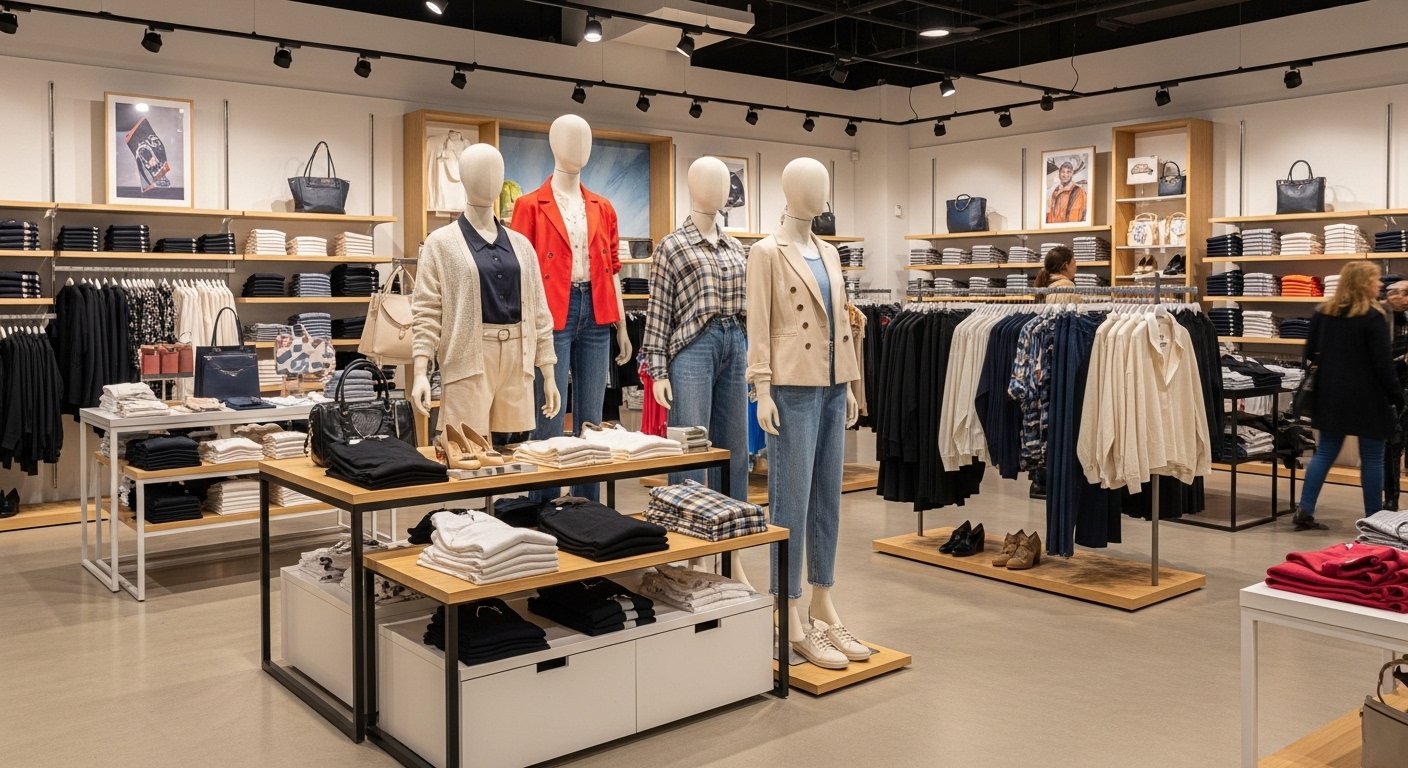
Retail merchandising is the art of displaying products to maximize sales. It involves strategic placement using tools like end-caps, floor displays, and checkout counters to guide customer flow. The goal is to combine correct product placement with engaging fixture design to influence buying behavior and boost brand visibility.
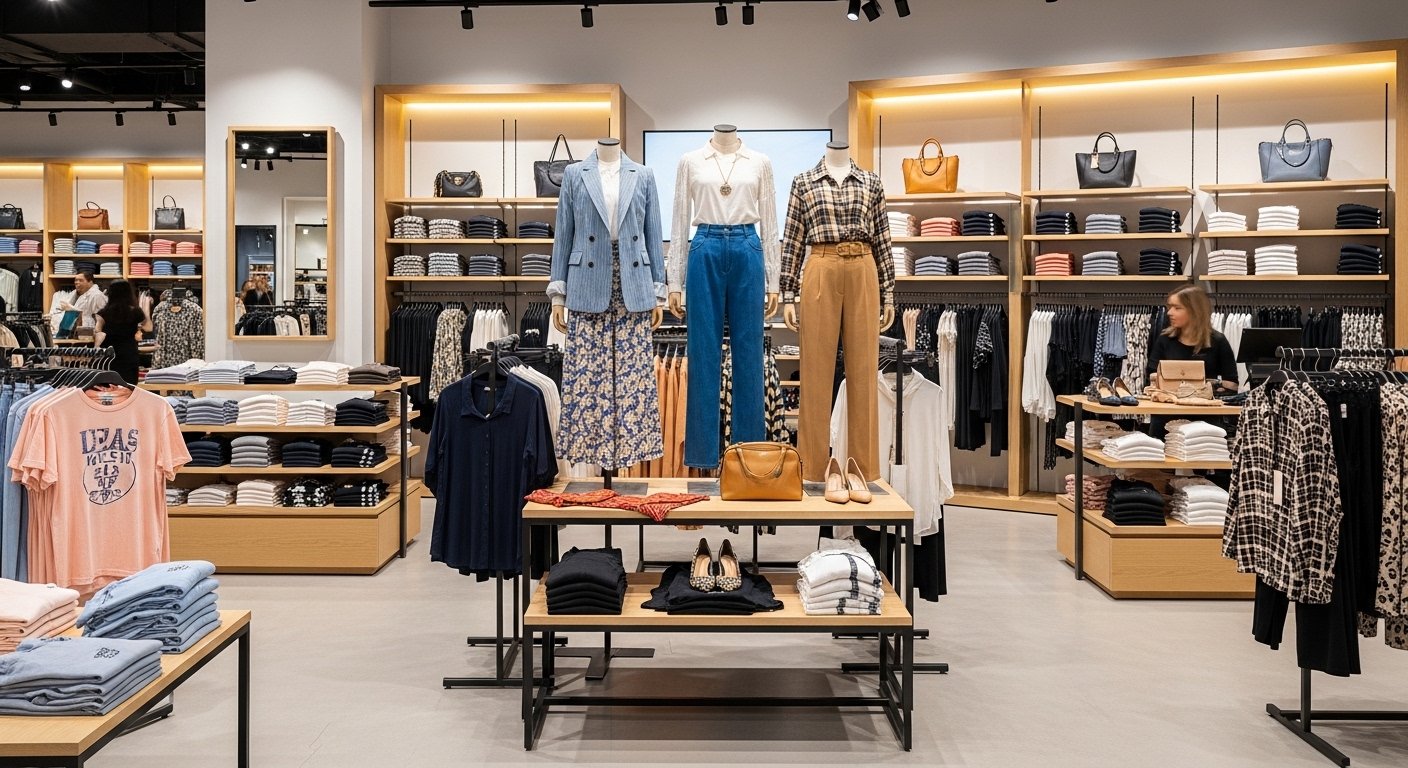
Many brands think merchandising is just about putting products on shelves. But if you dig deeper, you realize the fixture itself is the silent salesman. If the structure is weak or the placement is wrong, you lose money. Let's look at the specific tools and strategies you need to master this.
What are the most effective types of display fixtures?
Choosing the wrong display type wastes floor space and hides your products. You need to know which fixture fits your specific sales goal to stop losing potential revenue.
The most common types include End-caps for high-traffic promotion, Floor Displays to interrupt customer flow, and Countertop Displays for impulse buys. Pallet displays work for bulk items, while Dump Bins handle loose inventory. Each serves a specific purpose in the customer journey through your store.
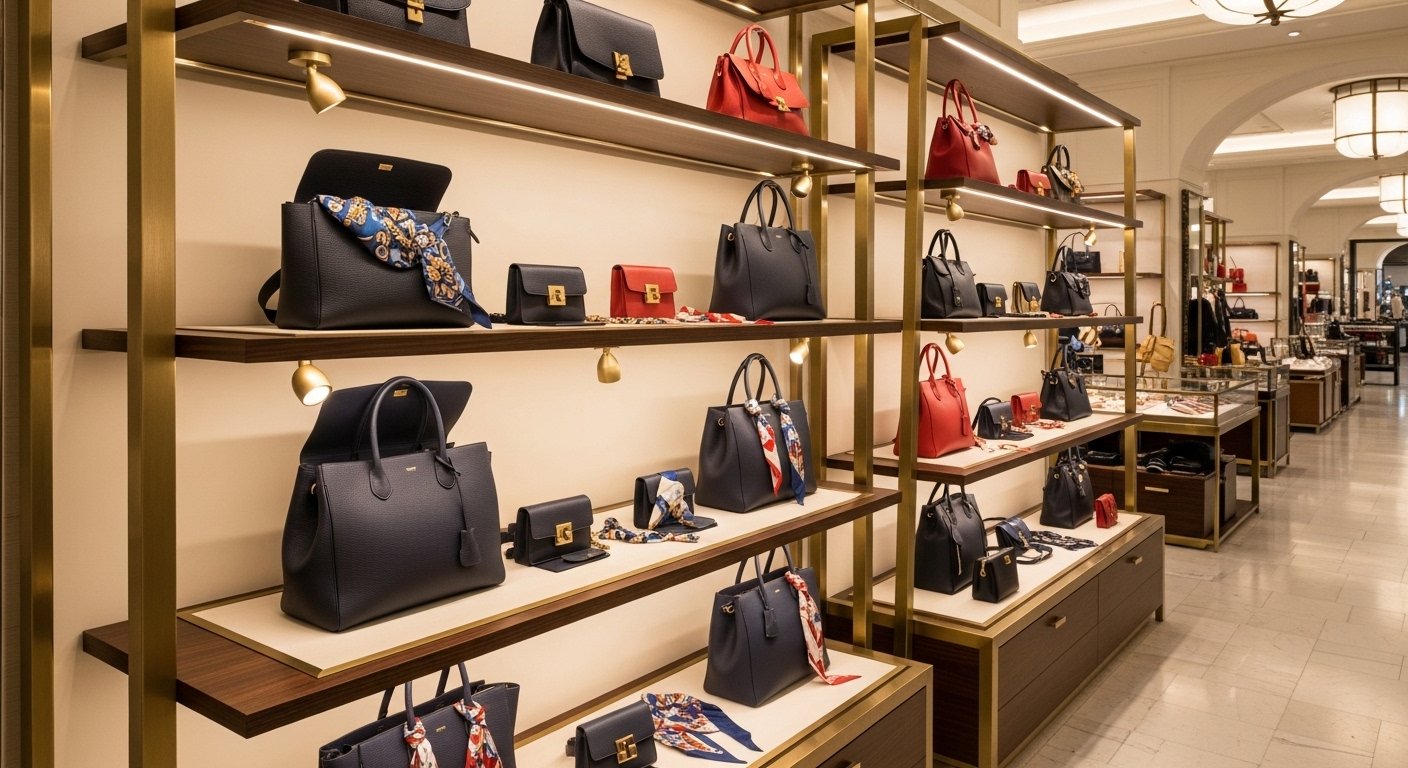
To really understand merchandising, you must match the fixture to the shopping behavior. I have seen many brands fail because they force a "one size fits all" fixture into every store. A fixture that works in a large department store might block the aisle in a small boutique.
Here is a breakdown of the core fixtures we manufacture and where they work best:
| Fixture Type | Best Use Case | Strategic Value |
|---|---|---|
| End-Cap Display | Placed at the end of an aisle. Best for new products or discounts. | These capture the most attention. Studies show they can drive up to 30% of supermarket sales. |
| Floor Display | Free-standing units in open areas. | They interrupt the customer's path. Great for building brand awareness away from competitors on the shelf. |
| Countertop Display | Small units placed at the checkout register. | These trigger impulse buys. Perfect for small, low-cost items like accessories or candy. |
| Dump Bin | Large bins for loose items like toys or snacks. | They create a "treasure hunt" feel. Good for clearing slow-moving inventory or bulk sales. |
| Pallet Display | Large displays shipped on a pallet, ready to drop on the floor. | High efficiency (PDQ - Pretty Darn Quick). Ideal for big box stores and seasonal volume. |
When we design these, we also consider the "inline" experience. This is the standard shelving. While less flashy, inline displays need smart management to keep products organized. The key is to create a family of fixtures. They should look different but feel like the same brand. This consistency builds trust. Whether it is a heavy checkout counter or a lightweight cardboard sidekick, the design language must remain the same.
How can you optimize manufacturing costs without losing quality?
Custom fixtures often come with a heavy price tag and slow lead times. You worry about going over budget or missing your store opening date because of production delays.
You can reduce costs by choosing the right production method. For small batches, use laser cutting instead of expensive molds. For shipping, choose Knock-Down (KD) designs over assembled units to save 50-80% on freight. Balancing material choice with manufacturing location is key to success.
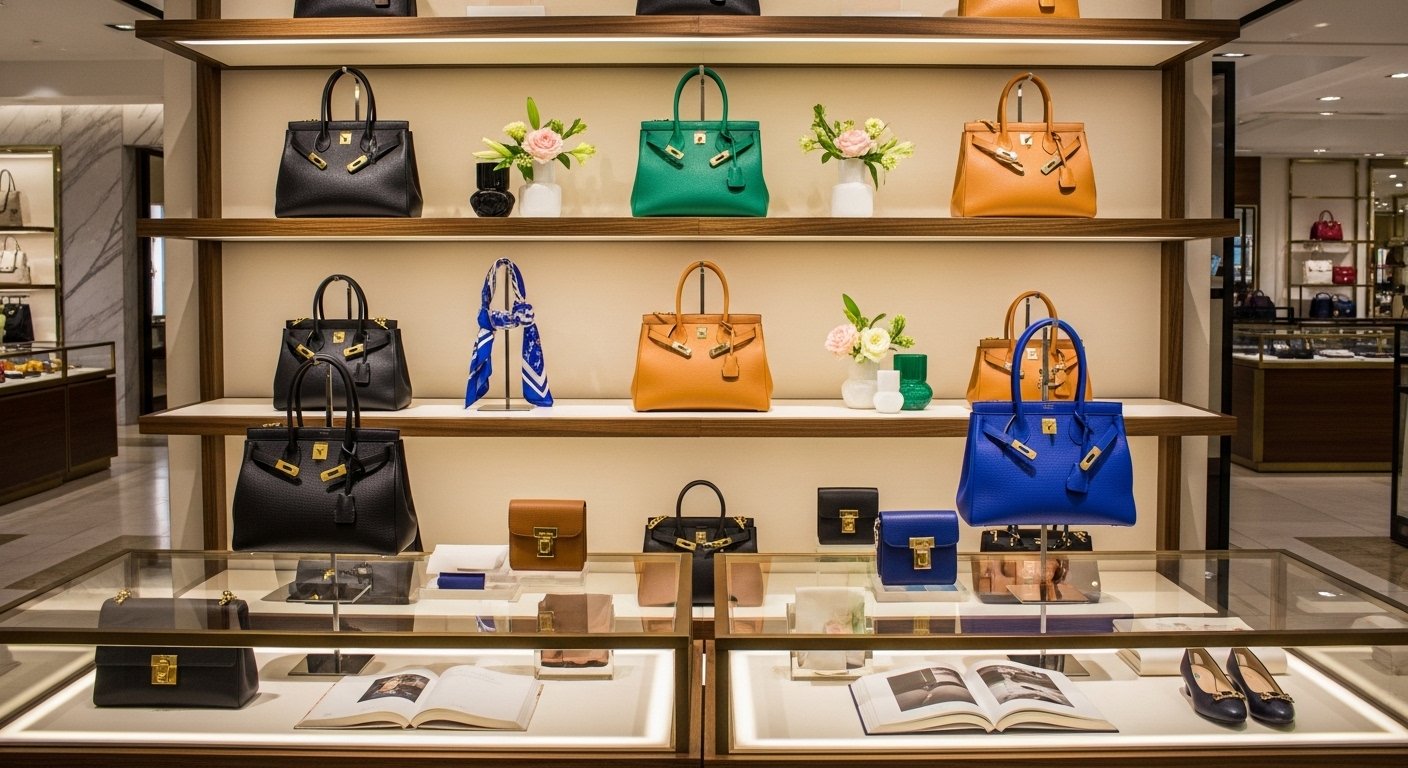
In my experience running factories in China and Vietnam, cost optimization starts with the engineering design, not just negotiating the material price. Many customers ask if they need to pay for expensive molds. The answer depends on volume.
If you are ordering fewer than 50 sets of a metal fixture, opening a mold is a waste of money. Molds cost between $100 and $1,000 and take up to 15 days to make. Instead, we use laser cutting for iron pipes and plates. It is faster and cheaper for small runs. However, if you have a unique shape or mass production, a mold improves efficiency. For plastic parts, if the quantity is low, we can use 3D printing. It delivers smooth surfaces and good colors without the high mold fees (often over $1,000) of injection molding.
Another massive cost factor is logistics. You should almost always choose Knock-Down (KD) designs—meaning the unit is taken apart for shipping.
- Assembled Shipping: The box is full of air. You pay to ship empty space. It requires huge amounts of packaging filler to prevent damage from shaking on the boat.
- KD Shipping: We can fit 50% to 80% more product in a container. It reduces packaging waste and lowers your landed cost significantly.
We also have to talk about location. China has a complete supply chain. It is best for complex projects requiring many different accessories. Vietnam is great for the North American market to save on tariffs, but the supply chain is still maturing. We often ship components from Xiamen to Ho Chi Minh City for assembly to ensure quality while meeting "Country of Origin" rules (usually requiring substantial local transformation). You need a partner who understands these complexities to save you money safely.
What are the current trends in materials and technology?
Old, scratched displays make your brand look cheap and outdated. Customers ignore boring shelves that lack interaction or environmental responsibility, hurting your brand image.
Modern merchandising moves towards sustainability and smart interaction. Trends include using modular designs for flexibility, eco-friendly materials like recycled plastics, and integrating technology like PVD anti-fingerprint coatings. Smart shelves now use AI and sensors to interact with shoppers directly.
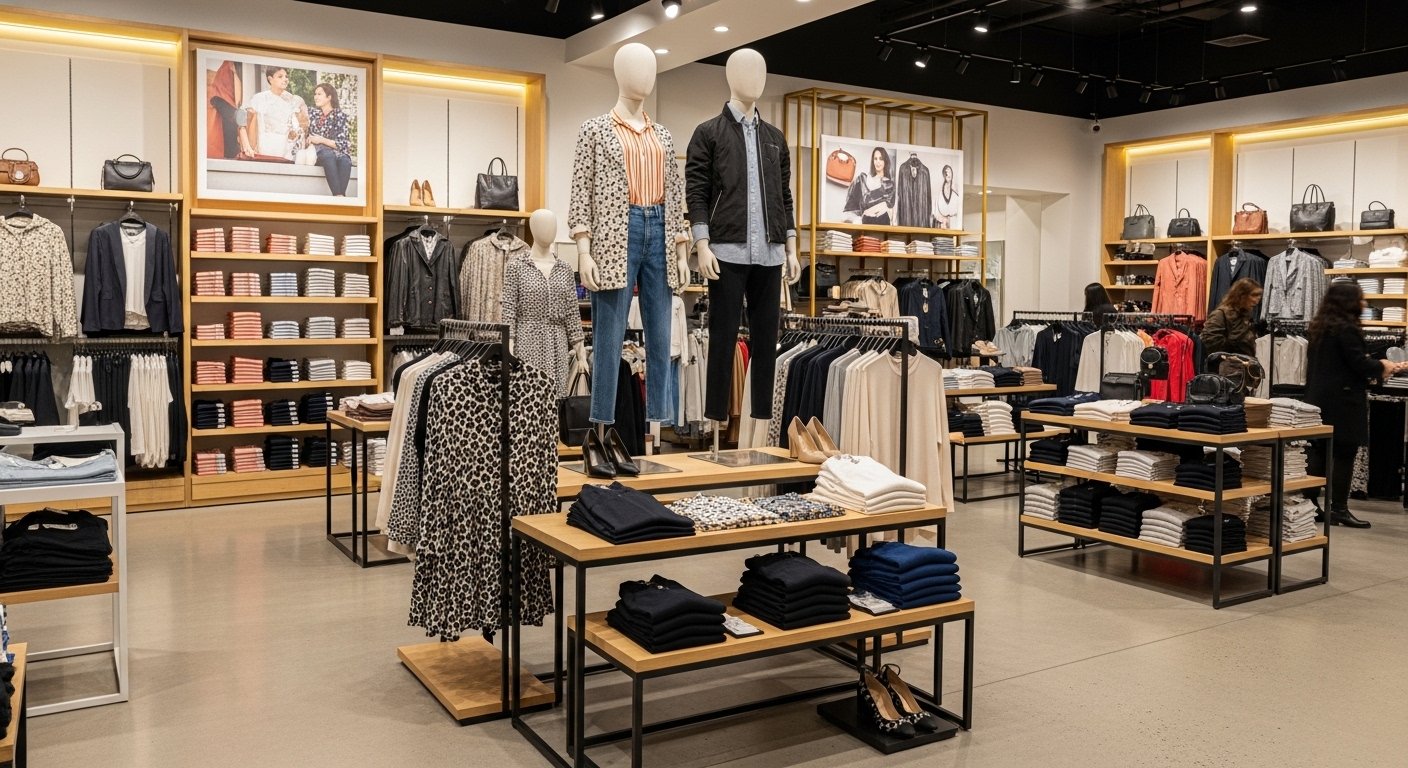
The materials you choose tell a story about your brand. I see a big shift toward "emotional" and "sustainable" merchandising. It is no longer just about holding the product; it is about the feeling.
For example, in the luxury sector, surface finish is everything. We use PVD (Physical Vapor Deposition) coating on stainless steel. It makes the metal harder and more colorful. We combine this with AF (Anti-Fingerprint) technology. This is crucial. If a customer sees greasy fingerprints on a high-end watch display, the premium feel is gone instantly.
However, you must be careful with material properties. A common issue I see is marble or artificial stone cracking after it arrives at the store. This often happens because of the substrate beneath it.
- Thermal Expansion: Artificial stone expands and contracts with temperature.
- Moisture Expansion: MDF (Medium Density Fiberboard) expands with humidity.
If you glue stone directly to MDF without allowing for movement, and the store turns on the air conditioning or the humidity changes, the stone will crack. The expansion rate of MDF due to humidity is 30 times higher than that of stone. To fix this, we ensure proper sealing and leave expansion gaps.
Here is a quick guide to wood materials we use:
| Material | Best For | Pros | Cons |
|---|---|---|---|
| Particle Board | Internal structures, unseen parts. | Cheap, holds screws better than MDF. | Rough surface, not good for painting. |
| Plywood | Structural frames, load-bearing. | Strong, lightweight, holds screws well. | Hard to get a perfectly smooth surface for high-gloss paint. |
| MDF | Painted surfaces, veneers. | Very smooth surface, great for high-end paint jobs. | Heavy, swells if it gets wet (needs sealing). |
Sustainability is also non-negotiable now. We are seeing more demand for modular designs. These allow you to replace just one part if it breaks, rather than throwing away the whole fixture. It saves money and the environment.
How do you choose the right display manufacturer?
Picking a bad supplier leads to delayed shipments, poor quality, and hidden fees. You feel anxious not knowing if your rollout will happen on time or if costs will skyrocket.
A good partner offers more than just production; they provide engineering solutions. Look for suppliers who offer transparent pricing, understand international standards, and provide rapid prototyping. They should proactively suggest cost-saving measures and have a robust quality control system to prevent defects.
I have been in this industry for 12 years, and I see international buyers make the same mistakes. They focus only on the FOB price (the price of the product at the port). But the real cost includes shipping, tariffs, and potential rework.
When working with a Chinese or Vietnamese factory, you need to watch out for "hidden fees" from freight forwarders. Some forwarders quote a low shipping rate but charge crazy local fees like THC (Terminal Handling Charges) or document fees. For example, a standard THC might be 856 RMB, but a dishonest agent might charge 1200 RMB. You need a supplier who helps you audit these costs.
Here is what a professional workflow looks like with us:
- Communication: You send sketches. We don't just say "yes." We ask about the weight capacity, the store environment, and the budget.
- Prototyping: We build a mock-up. In China, we can do this in 1 week because the supply chain is so fast. In other countries, this takes 3 weeks.
- Testing: We test the paint. We do a "hardness test" with pencils (2H standard) and an alcohol rub test to ensure the color doesn't fade.
- Production: We monitor every step. If a chair is slightly off-level or a screw hole is 2mm off, we fix it at the factory. If it ships with a defect, it is too late.
Also, certifications matter. If you are shipping to Europe, your wood needs E0 standard. To the US, you need P2 standard (CARB). If your display has lights, you need UL or CE certificates. I recently worked on a pop-up store for the UK, and every mall required different fire certificates. A good supplier helps you navigate this paperwork so your goods don't get stuck at customs.
Finally, look for the "OEM mindset." This means the factory is flexible. We have teams that can switch from making metal racks to assembling wood cabinets quickly. We don't just build what is on the drawing; we build what works in the real world.
Conclusion
Retail merchandising requires balancing creative design with smart engineering and logistics. By choosing the right fixtures, materials, and manufacturing partners, you create a seamless brand experience that drives sales and reduces long-term costs.