
Are you tired of skyrocketing costs and missed launch dates for your retail spaces? Complex, one-off designs often lead to manufacturing delays and high maintenance expenses. Standardization is the solution you need.
Standardizing internal components for Display Fixtures and Bespoke Shopfittings allows factories to reuse parts like uprights and shelves across different projects. This strategy significantly increases delivery speed, reduces the need for expensive custom tooling, and lowers the long-term cost of replacement parts and maintenance [1][2].
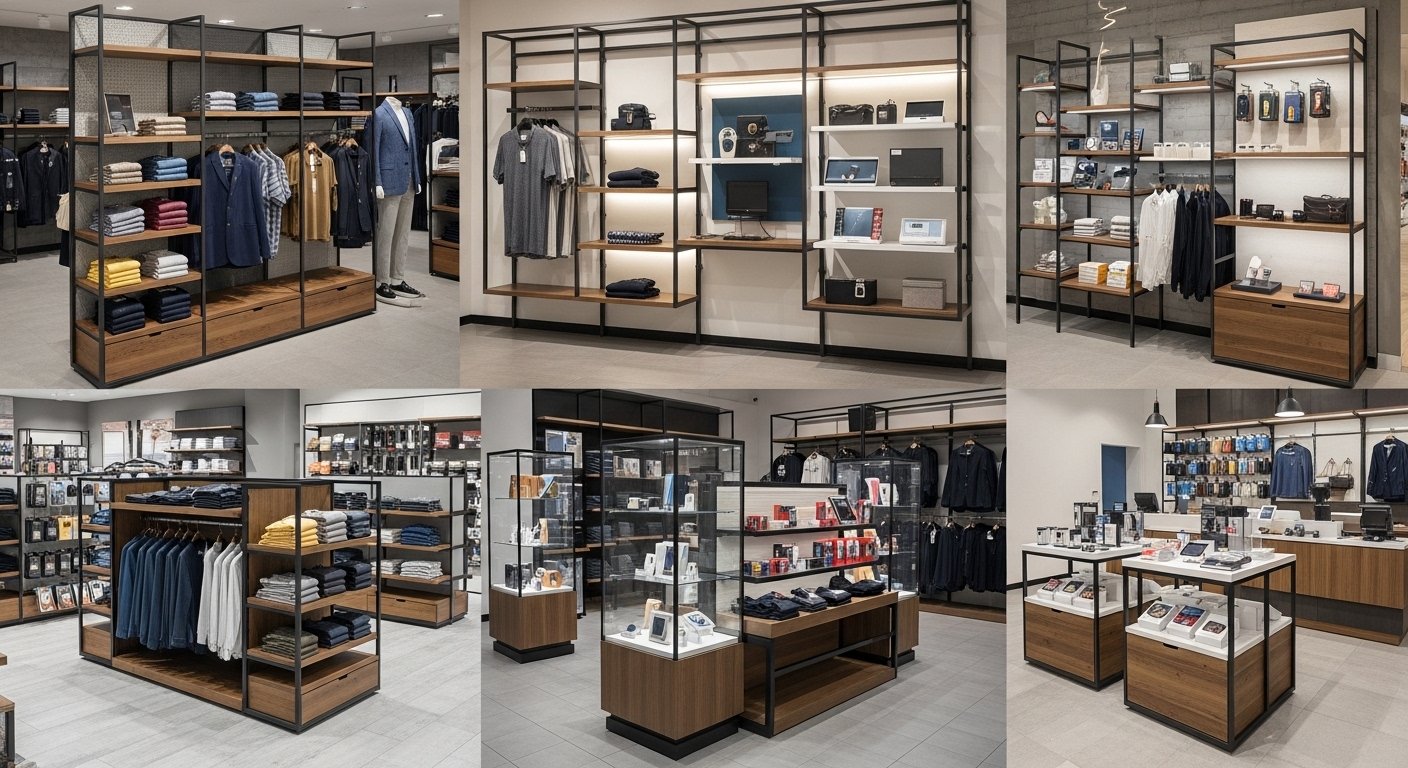
I know how hard it is to balance a beautiful brand image with a tight budget. Most designers focus only on the outside, but the real savings happen on the inside. Stay with me to learn how small structural changes can save you thousands.
How does standardizing internal components like uprights and shelves accelerate lead times and reduce replacement costs?
Does your project constantly get stuck in the prototype phase because of unique metal parts? Designing every single bracket and post from scratch creates a massive bottleneck for both the factory and your stores.
Standardization means using universal internal structures that work across multiple display types [1]. This allows factories to stock common parts or use high-speed production methods like laser cutting instead of waiting weeks for custom molds [1][2]. It makes repairs faster because parts are always available.
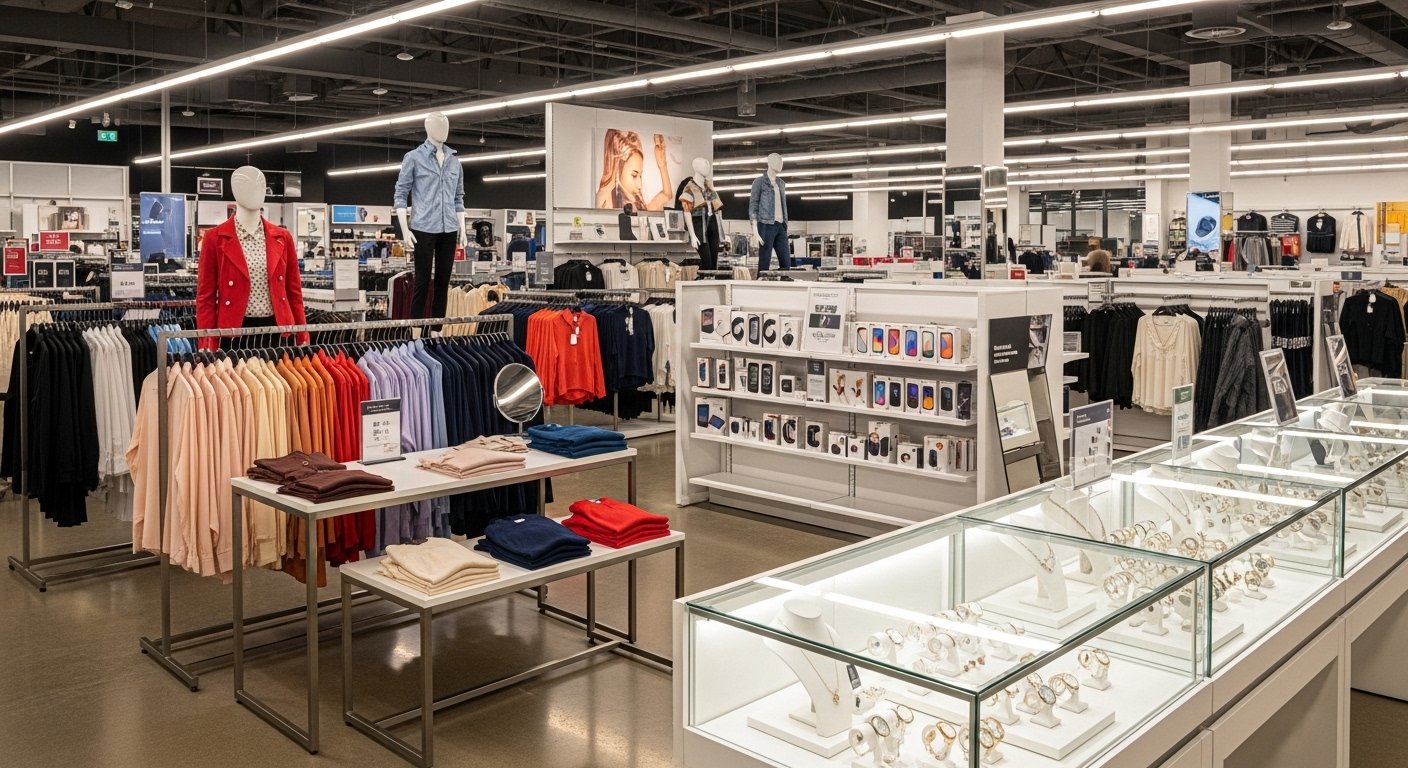
I have spent years in both Xiamen and Vietnam factories, and I see the same thing every time. When we use universal uprights and shelves, we stop wasting time on engineering new joints for every project. This reduces environmental impact and makes assembly much easier for your team [1]. In my experience, if you use a standard hole pattern for your shelving, you can swap out accessories in seconds. This is a huge win for retail brands that change their layout every season. Standardized components also mean we can use high-precision machines to ensure every piece fits perfectly, which stops the nightmare of parts not lining up on-site [1].
| Feature | Bespoke Internal Structure | Standardized Internal Structure |
|---|---|---|
| Production Speed | Slow (Needs new setups) | Fast (Uses existing programs) |
| Tooling Cost | High (Possible mold fees) | Low (No new molds needed) |
| Maintenance | Hard (Custom parts needed) | Easy (Parts are in stock) [2] |
| Waste | High (Material offcuts) | Low (Optimized nesting) [1] |
Why is structural modularity the key to balancing high shipping costs and complex on-site assembly?
Are you paying to ship air across the ocean? Shipping fully assembled Display Fixtures and Bespoke Shopfittings is one of the biggest wastes of money in the retail industry today.
Structural modularity allows for "Knock-Down" (KD) shipping, which can save 50% to 80% of sea container space [1]. By designing fixtures that a single worker can easily put together, you balance lower freight costs with low local labor expenses [2].
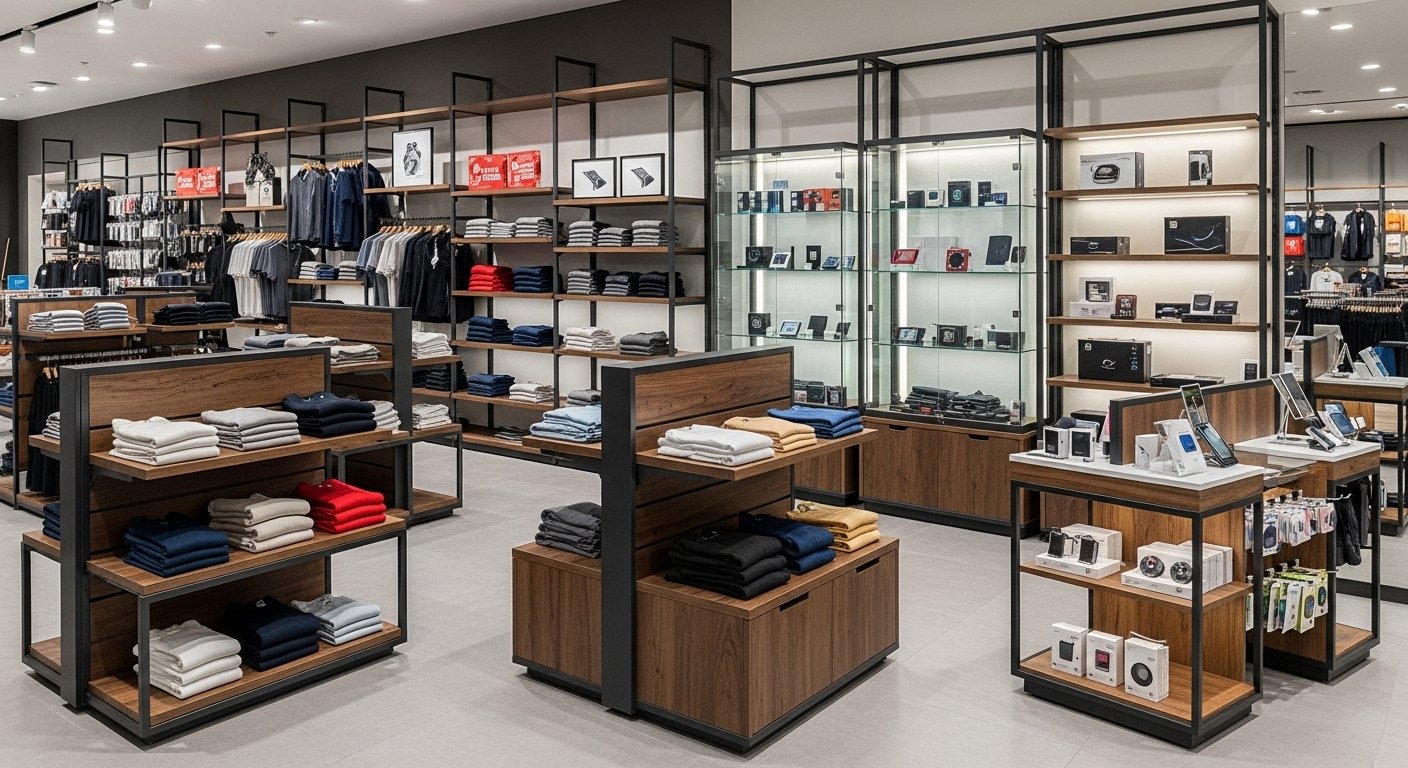
Shipping costs are a major part of your total budget. When we design for KD shipping, we use much less packing material because the flat parts are easier to protect [1]. In North America and Europe, local labor is very expensive. That is why I always tell designers like Mark to focus on "easy-to-install" structures. You want a design where a skilled worker can finish the job quickly without needing a huge team [2]. I have found that modular designs also protect the product better during transport. Flat panels do not wobble or break as easily as large, pre-assembled cabinets. This reduces the risk of arriving at the store with broken glass or scratched paint. It is the best way to keep your project on budget and on time.
| Shipping Method | Container Space | Packing Material Needed | Assembly Time |
|---|---|---|---|
| Fully Assembled | 100% (High Volume) | High (Lots of fillers) [1] | Zero (Instant) |
| Modular / KD | 20-50% (Low Volume) | Low (Flat packs) [1] | Medium (Easy steps) [2] |
| Complex Bespoke | High | Very High | High (Needs experts) |
In what ways does engineering-led standardization minimize the "hidden costs" of late-stage reworks and prototypes?
Do you find yourself fixing mistakes only after the first container arrives? Most retail fixture problems do not actually start on the factory floor; they start at the designer’s desk with unclear specs [6].
Engineering-led standardization uses proven structures and 3D printing to test ideas early [1]. This prevents the "hidden costs" of late-stage reworks, which are much more expensive once the product has already been shipped or installed [6].
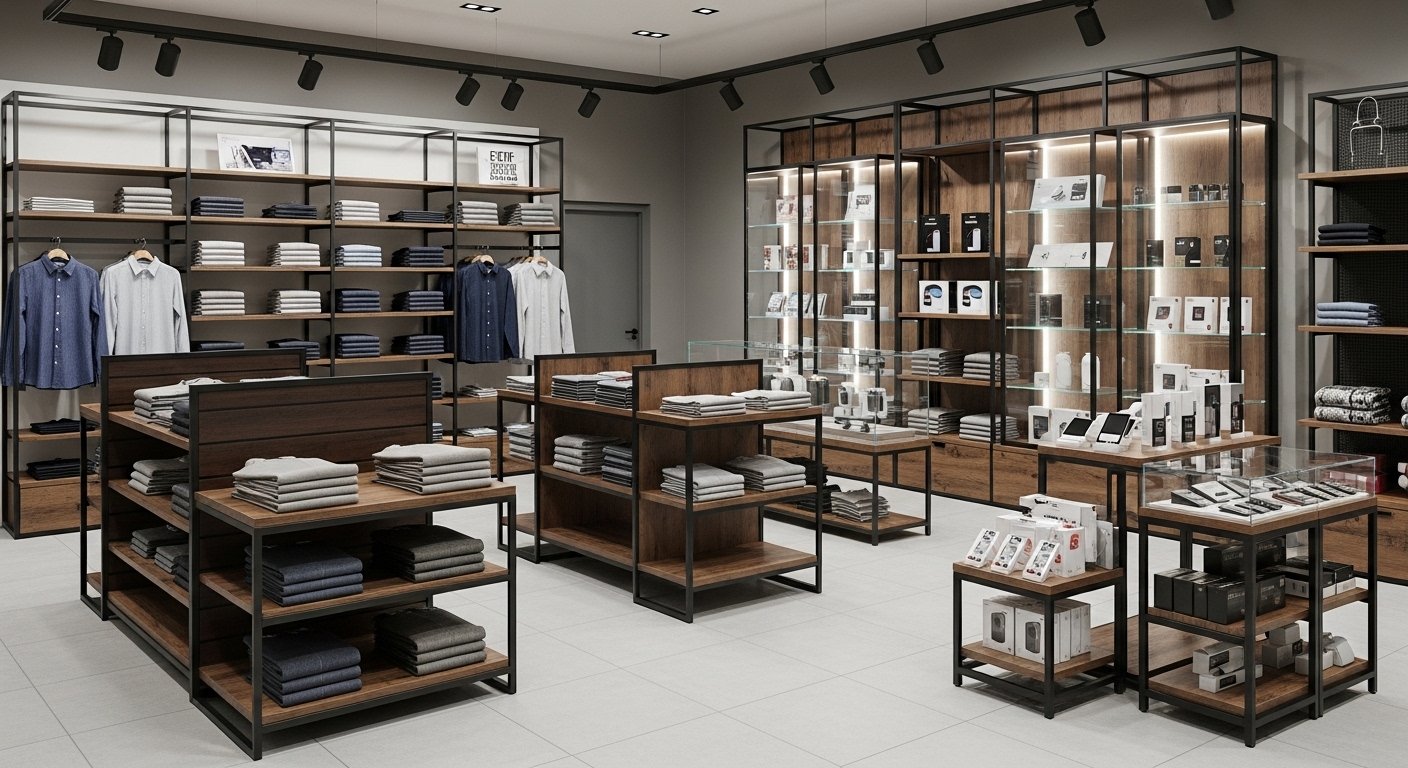
I believe that the most expensive problem is the one you find too late. If a screw hole is off by 2mm, it is a five-minute fix in my factory. But if you find that error after the fixture is in a store in London, it is a total loss [6]. By using standardized engineering, we reduce the chance of these "quiet failures." We use 3D printing for metal and plastic parts during the prototype stage. This allows us to test the fit and finish in just 12 to 36 hours [1]. We also focus on high-quality finishes like PVD coating with anti-fingerprint layers to make sure the product stays looking new even after many customers touch it [6]. Good engineering means we align the design, the cost, and the production reality before we ever start the machines.
| Prototype Method | Speed | Cost for Small Batch | Best Use Case |
|---|---|---|---|
| Traditional Tooling | 5-15 Days [1] | $100 - $1000+ [1] | Large mass production |
| 3D Printing (Metal/Plastic) | 12-36 Hours [1] | Low to Medium | Fast testing/Testing fit [1] |
| Laser Cutting (Steel) | 1-2 Days [1] | Low | Small custom batches [1] |
Conclusion
Standardizing internal structures for Display Fixtures and Bespoke Shopfittings cuts costs, speeds up delivery, and prevents expensive shipping and rework errors. It is the smartest way to scale retail.