
Do your display fixtures scratch easily during installation? Scuffs and peeling paint can ruin a brand’s image instantly. You need a finish that survives the high-traffic reality of a retail store.
We measure paint hardness using the Pencil Hardness Test, ranging from 9B to 9H. A level of 2H is the standard for quality. We also test adhesion by rubbing the surface with 75% alcohol ten times to ensure the coating does not fade or peel.
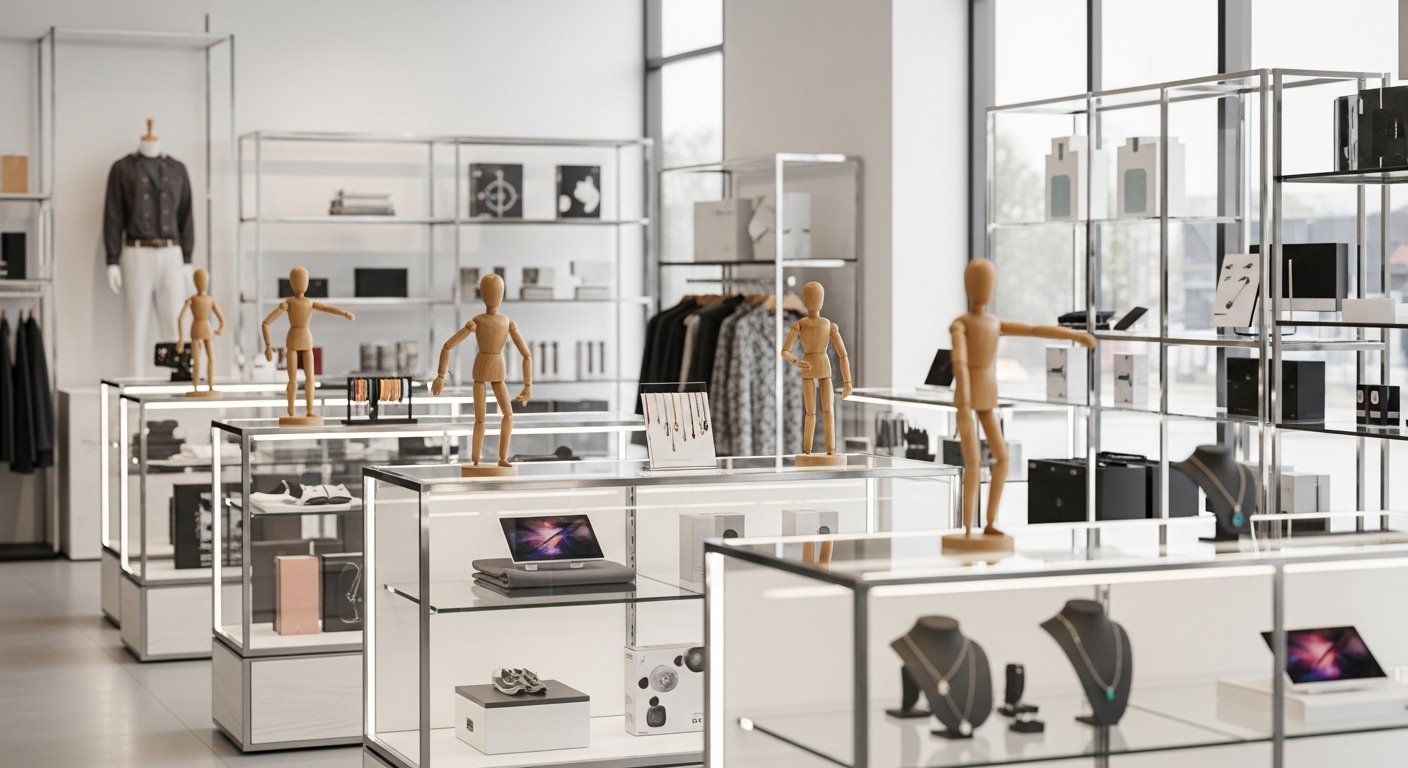
I have spent years in factories watching how small mistakes in the paint room lead to big losses. If the finish is not right, the whole project is at risk. Let me share how we ensure your Display Fixtures and Bespoke Shopfittings stand the test of time.
Pencil Hardness Test: What Does the "H-Level" Really Mean for Your Display Fixtures?
Soft paint leads to visible scratches from customers or cleaning tools. This makes high-end fixtures look cheap very quickly. Hardness testing ensures your surface remains pristine under constant daily contact.
The "H-Level" represents the technical hardness of a dried coating. We use specialized pencils from 9B (softest) to 9H (hardest) to scratch the surface. The hardest pencil that does not leave a mark determines the rating.
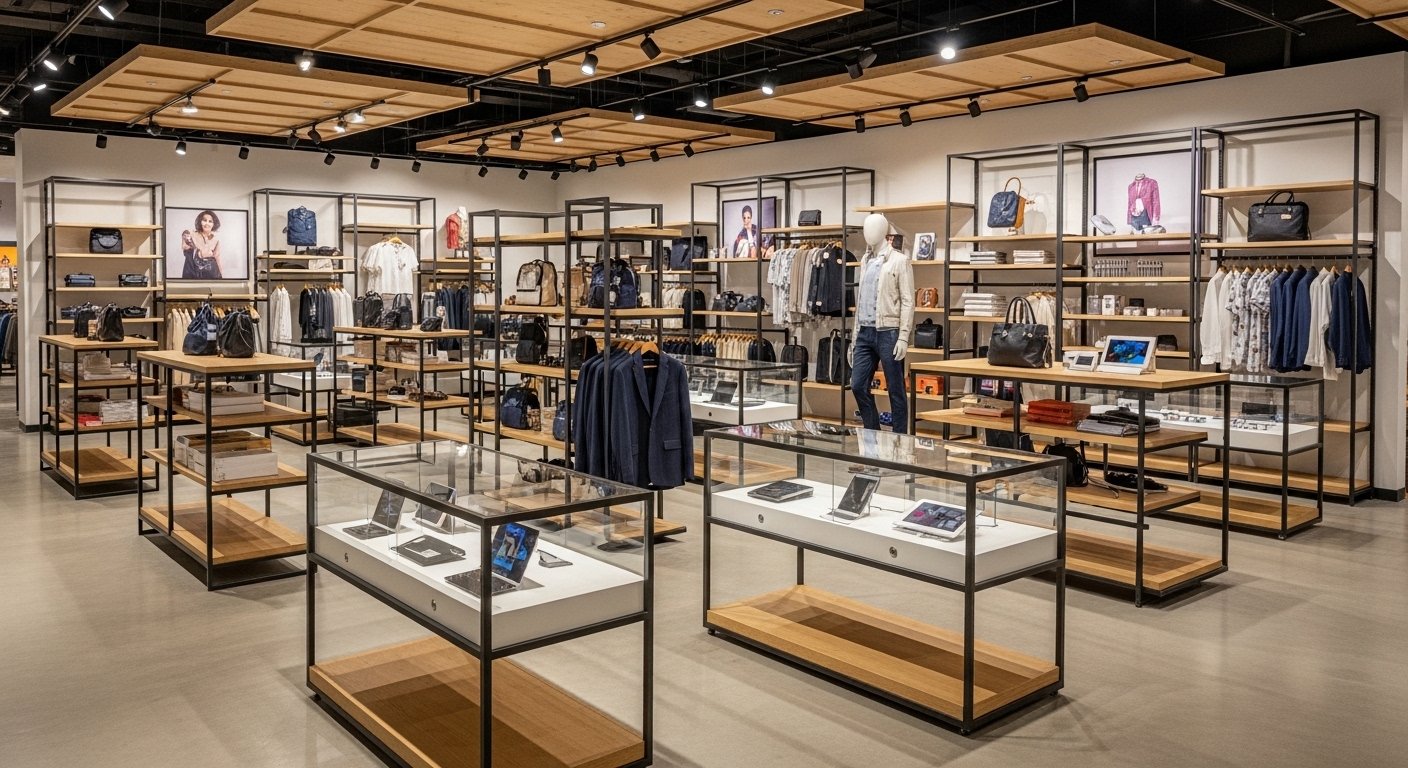
When I first started in the display industry, I learned that "pretty" is not enough. For Display Fixtures and Bespoke Shopfittings, the surface must be tough. We use the pencil hardness test because it is a reliable, global standard. In our factory, we aim for at least a 2H rating for most retail environments [3]. This means the surface can handle the typical bumps from shopping bags or cleaning supplies without showing a single mark.
We must break down the hardness scale to understand its impact on your design. If you choose a finish that is too soft, like a B or HB level, you will see scratches within weeks. For high-traffic areas, we often push for higher levels. This involves precise control of the baking temperature and the chemical mix of the powder or liquid paint. My team checks this for every batch because we know that once the fixture is in your store, a scratch is a permanent flaw.
| Hardness Level | Common Use Case | Durability Expectation |
|---|---|---|
| 9B - HB | Decorative items only | Very low; scratches easily |
| F - H | General retail displays | Moderate; handles light touch |
| 2H - 4H | High-traffic shopfittings | High; resistant to most daily wear |
| 5H - 9H | Industrial or heavy-duty | Extreme; very difficult to scratch |
Multi-Layer Coating and Adhesion: Why Luxury Brands Demand More Than Just a Single Coat?
Single coats chip easily and expose the raw material underneath. This creates a poor brand image and can lead to rust. Multi-layer coating provides a deep, durable shield for high-end luxury environments.
Luxury brands demand multiple layers—usually two base coats and three top coats—to ensure depth and durability [3]. This process prevents peeling. We verify this by rubbing the surface with 75% alcohol ten times to check for color loss.
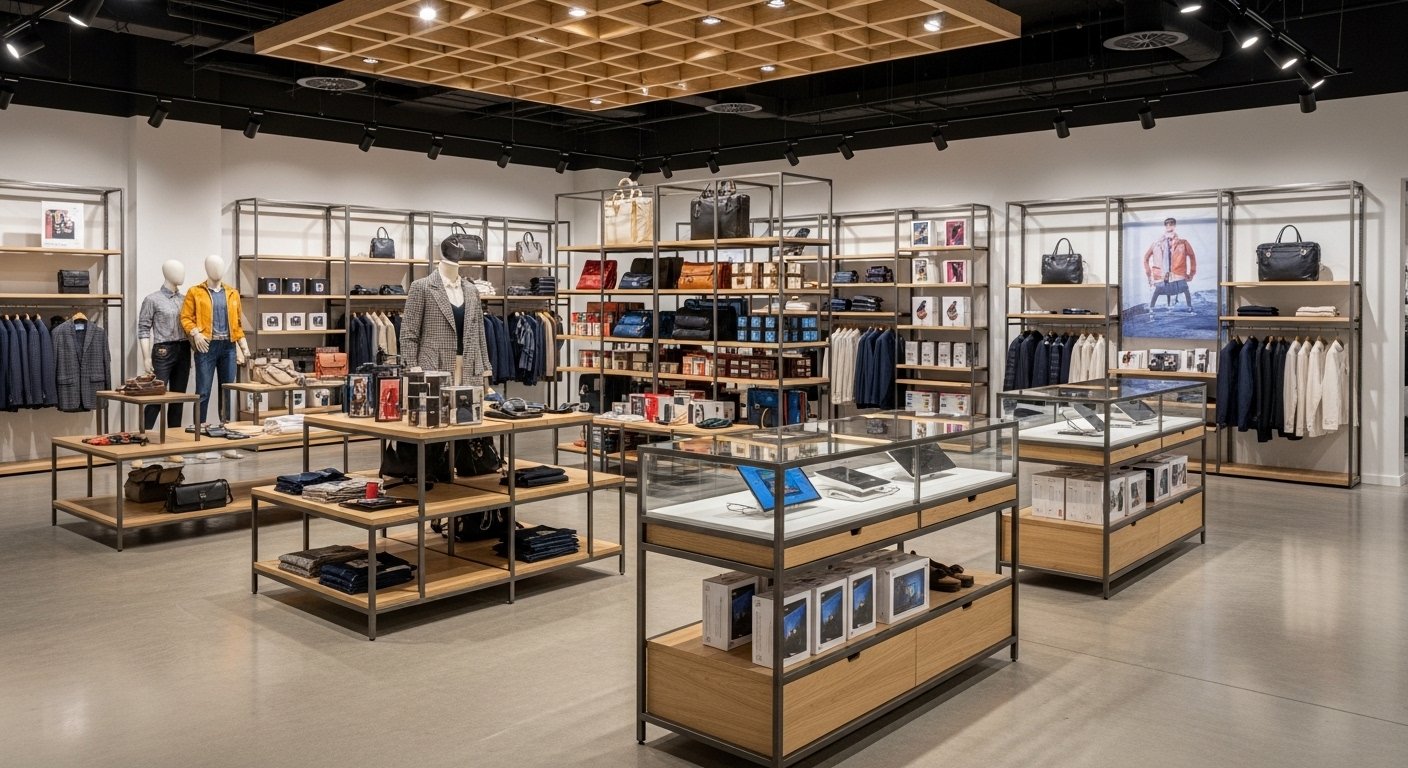
In my experience, luxury brands like jewelry or cosmetic shops have much higher standards than a typical supermarket. A single coat of paint might look okay for a few months, but it lacks the "soul" and strength of a multi-layer finish [2]. For luxury Display Fixtures and Bespoke Shopfittings, we use a negative pressure, dust-free room to apply these layers [3]. This prevents tiny particles from getting trapped in the paint, which could cause the coating to fail later.
Adhesion is just as important as hardness. If the paint does not "stick" to the metal or wood, it will flake off in large pieces. This is why we perform the alcohol rub test. If the color comes off on the cloth, the curing process was wrong [3]. We also look for "orange peel" or air bubbles. If we find these, we sand the piece down and start over. It is better to lose time in the factory than to lose the trust of a client when their expensive display starts peeling.
| Coating Grade | Layer Structure | Typical Environment |
|---|---|---|
| Standard | 1 Base / 2 Top Coats | Mid-range retail / Supermarkets |
| Luxury | 2 Base / 3 Top Coats | Jewelry / High-end Fashion |
| Heavy Duty | Powder Coating + Clear | Outdoor / High-touch areas |
Balancing Aesthetics and Durability: How High-Precision Finishing Prevents Costly Rework?
Reworking a display at the store is incredibly expensive and delays your grand opening. High-precision finishing prevents these errors before they leave the factory. It saves your budget and your project timeline.
High-precision finishing balances looks with strength by using advanced equipment and strict quality checks. This prevents common issues like "orange peel." Ensuring every piece of bespoke shopfitting meets the specs avoids expensive on-site repairs.
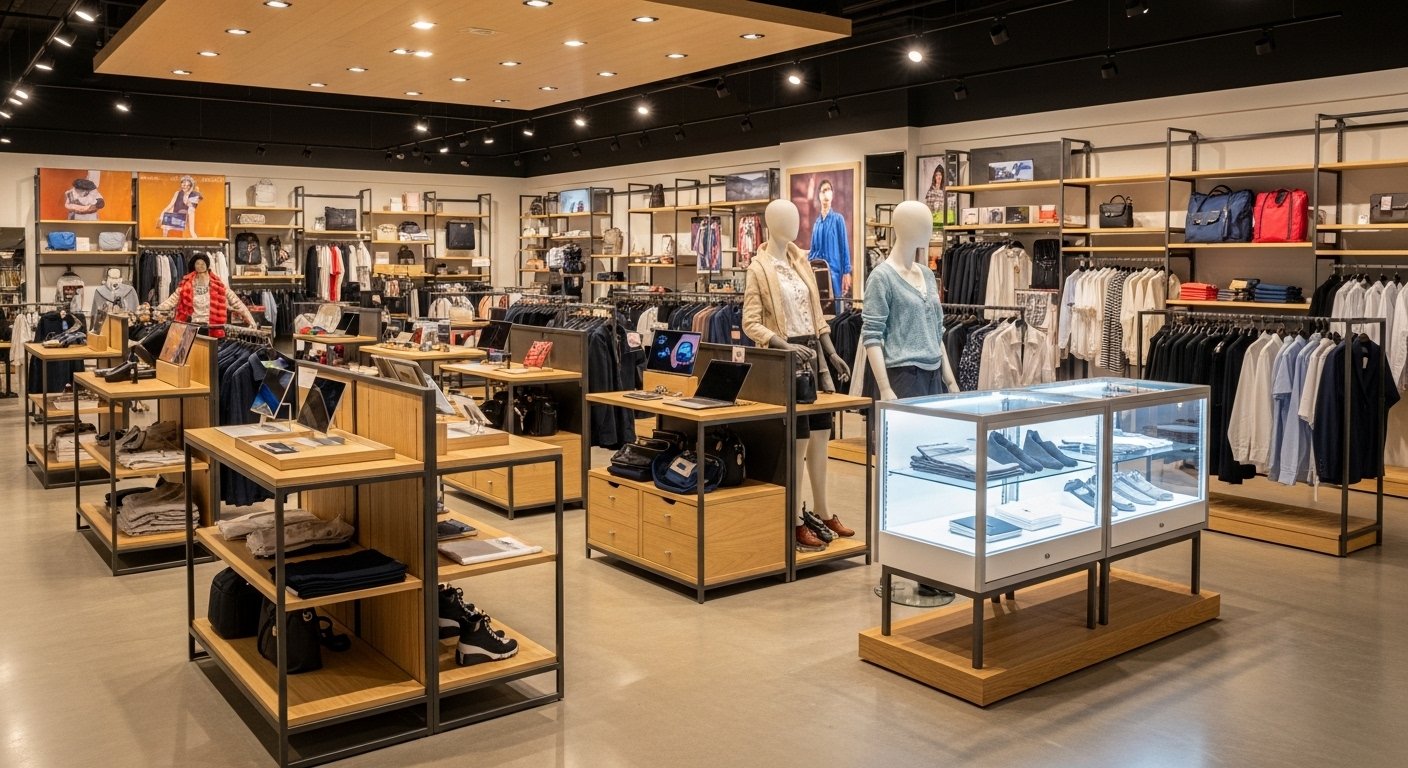
I always tell my clients that the most expensive problem is the one you find too late [6]. If we ship a container of Display Fixtures and Bespoke Shopfittings and the paint is inconsistent, the rework costs can destroy the profit [1]. This is why we use high-precision tools to measure the thickness of the coating. If the paint is too thick, it might crack. If it is too thin, it will not protect the material.
We use advanced powder coating equipment that uses natural gas or electricity to stay eco-friendly while ensuring a smooth finish [1]. This level of precision allows us to match the exact color and texture you designed. My goal is to make sure the final product looks exactly like the prototype. By focusing on these technical details early, we avoid the "quiet failures" that happen weeks after the project is finished [6]. Good engineering and clear specifications at the start are the only way to achieve a perfect, durable finish.
| Factor | Impact of Precision | Risk of Low Quality |
|---|---|---|
| Paint Thickness | Uniform look and fit | Cracking or poor assembly |
| Dust Control | Smooth, glass-like surface | Bumps, particles, and pits |
| Curing Temp | Maximum hardness (H-level) | Soft paint that scratches |
| Material Choice | Long-term stability | Deformation or peeling |
Conclusion
Measuring H-level hardness and adhesion ensures your Display Fixtures and Bespoke Shopfittings remain beautiful and durable. Proper testing prevents costly rework and protects your retail brand's professional image.