
Are you struggling with high setup costs for your small display orders? High mold fees can kill your profit margins. Laser cutting offers a flexible, low-cost solution for custom shopfittings [1].
Laser cutting is superior for small batches of Display Fixtures and Bespoke Shopfittings because it eliminates high initial mold costs ($100-$1000) and long fabrication times (5-15 days). It allows for immediate production of metal tubes and plates without specialized tooling, ensuring cost-efficiency and faster delivery [1].
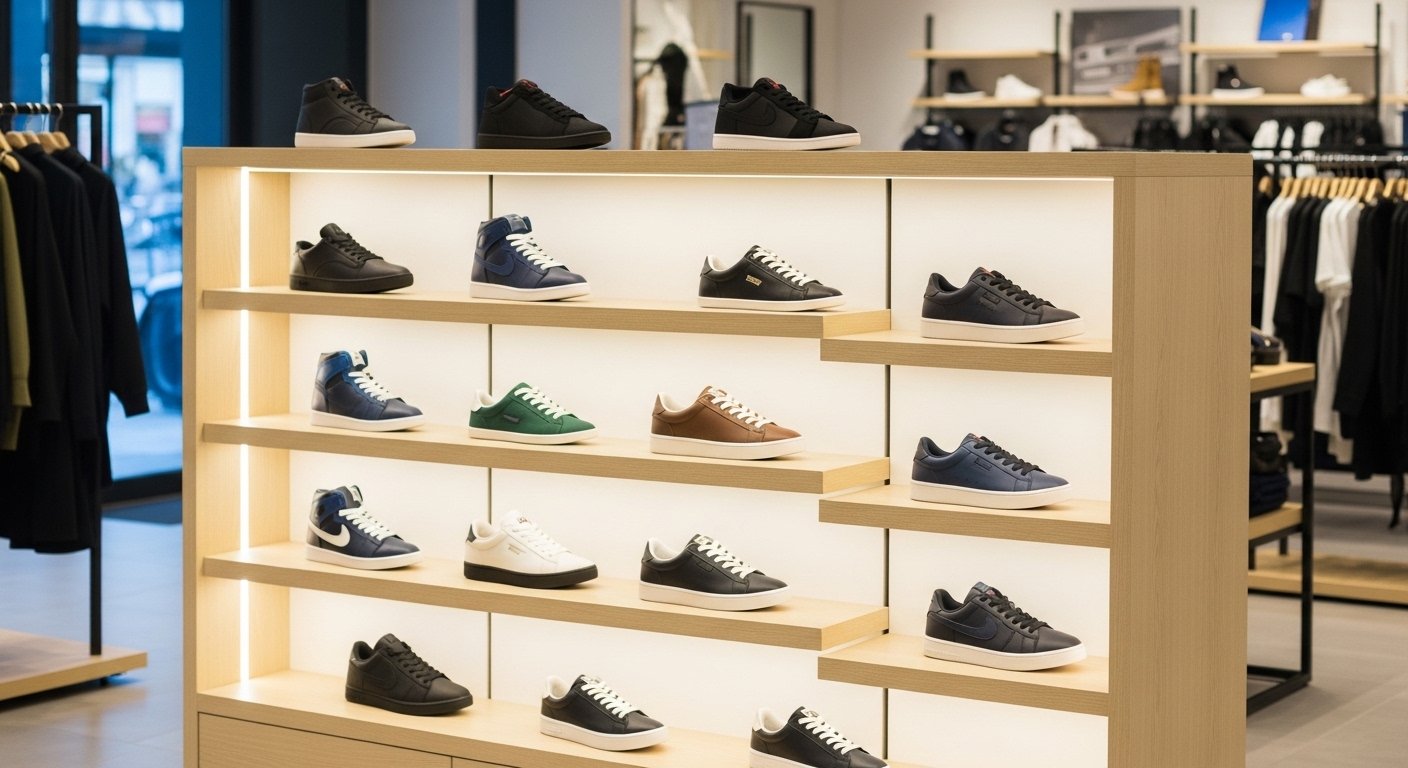
Many designers assume molds are the only way to get quality. But in my years running a factory, I have seen how "traditional" methods can actually slow you down and drain your budget. Let me explain why laser technology is a game-changer for your next retail project.
Cost Efficiency vs. High Initial Investment: Why Laser Cutting Wins for Small Batches?
Worried that custom metal parts will break your budget? Traditional molds require a massive upfront investment. Laser cutting lets you pay only for the parts you actually need today [1].
Laser cutting wins on cost for small batches because it removes the $100 to $1,000 mold fee per part [1]. For orders under 50 sets, the setup cost of a mold significantly increases the per-unit price, making laser cutting the more economical and logical choice [1].
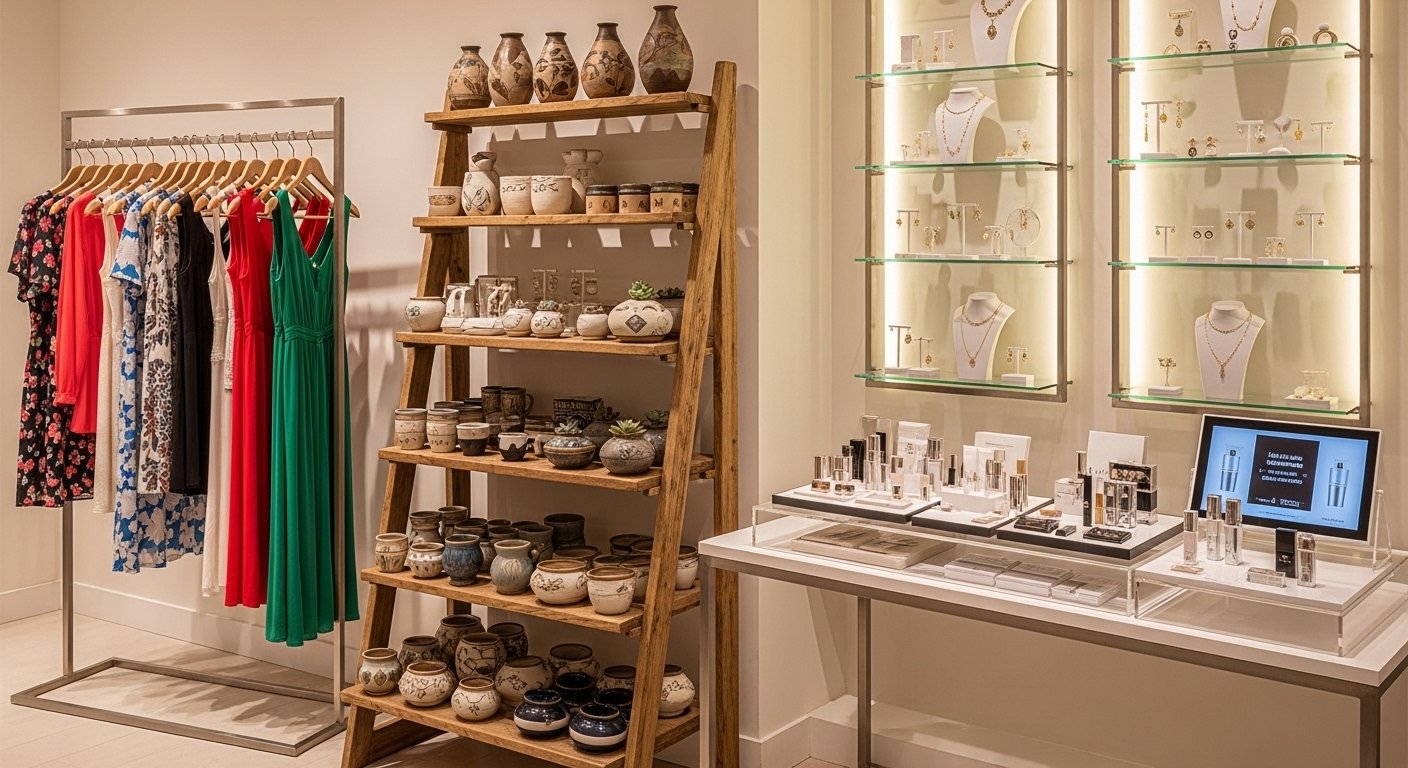
I have spent many years on the factory floor. I know that cost is the biggest worry for designers like Mark. When you are making a small batch of Display Fixtures and Bespoke Shopfittings, every dollar counts. In my experience, metal parts usually do not need molds unless they have very strange shapes [1]. If you choose to make a mold for a metal part, you will face a fee between $100 and $1000 [1]. This is a lot of money to spend before you even see the first part.
For a small order of 50 sets or less, adding a $1000 mold fee makes the price of each item much higher [1]. I always tell my clients to use laser cutting instead. We use laser machines to cut iron tubes and plates directly. The total cost is lower because we skip the mold-making stage [1]. My goal is always to maximize efficiency and keep profits healthy for everyone [1]. If a factory has to do rework, they lose their profit immediately [1]. Laser cutting is a safe way to avoid these extra costs. Wood and acrylic fixtures generally do not use molds anyway, so this is mainly a metal engineering decision [1].
| Feature | Laser Cutting | Traditional Mold |
|---|---|---|
| Initial Setup Cost | Very Low ($0) | High ($100 - $1000+) [1] |
| Economic Batch Size | 1 - 100 units | 500+ units |
| Material Waste | Low (Precise nesting) | Moderate |
| Design Change Cost | Free (Update software) | Expensive (New mold) |
Time-to-Market: How Laser Cutting Slashes Lead Times Compared to Mold Fabrication?
Is your project deadline fast approaching with no time for tooling? Waiting weeks for molds can delay your store opening. Laser cutting starts the moment your design file is ready [1].
Laser cutting slashes lead times by bypassing the 5-15 day mold fabrication period [1]. Instead of waiting weeks for a tool to be built, laser machines can process metal tubes and plates immediately, allowing for rapid prototyping and faster project completion [1].
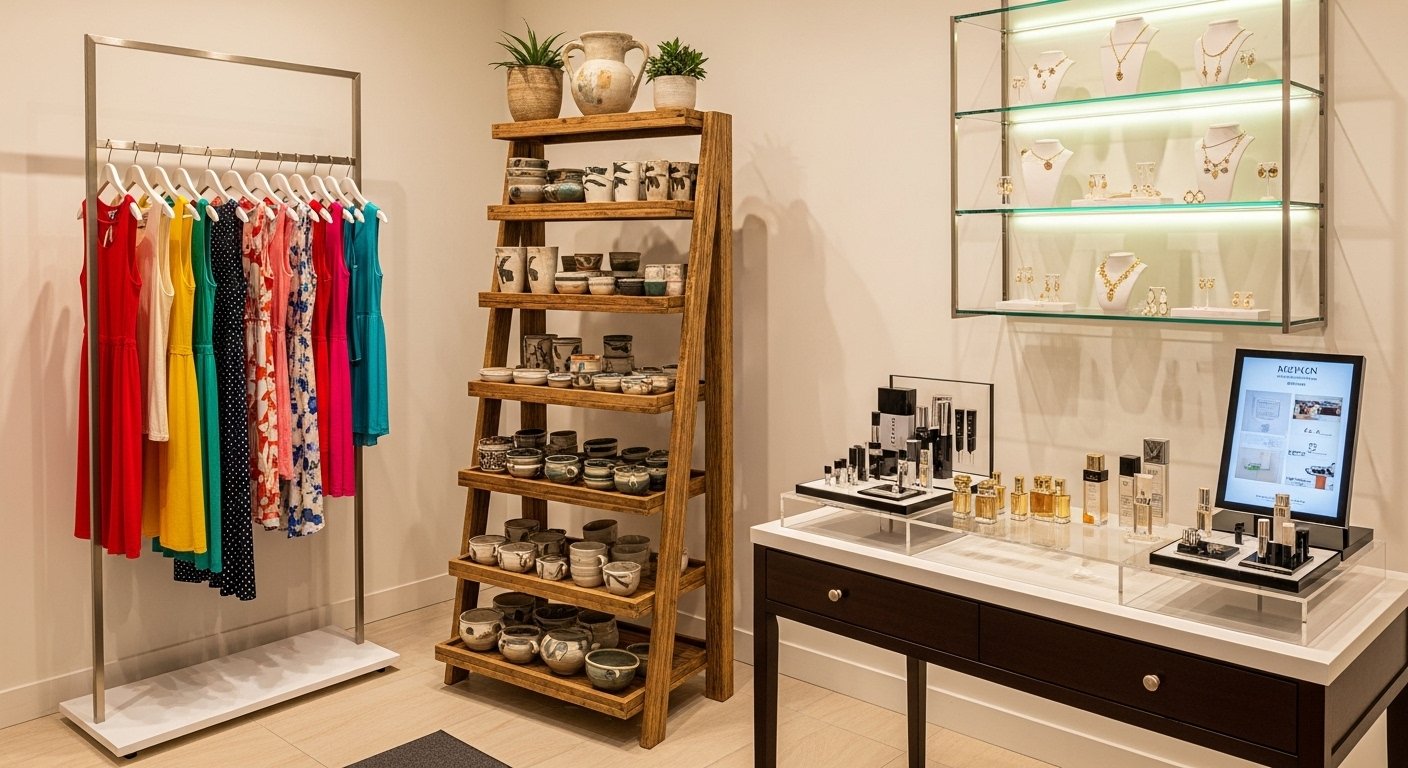
Time is just as important as money in the retail world. If a store opening is delayed, the brand loses money every day. Creating a mold for metal parts usually takes between 5 and 15 days [1]. That is two weeks of waiting while your project stands still. In the world of Display Fixtures and Bespoke Shopfittings, we cannot afford to wait that long for small batches. I prefer to use laser cutting because it starts instantly. As soon as the design is ready, the machine begins to work.
If we need to test a prototype very quickly, we can even use metal 3D printing. This technology can produce parts in 12 to 36 hours [1]. It is great for checking if a special structure works before we start the full batch [1]. Our factory must deliver on time. Sometimes we even pay for air freight ourselves just to meet a deadline for a loyal customer [1]. Using laser cutting is the best way to keep the schedule moving fast. Most of the time, the early design and sample stage takes the most time [1]. By using laser cutting, we make sure the production stage does not add even more delays.
| Time Component | Laser Cutting Process | Mold Process |
|---|---|---|
| Tooling Creation | 0 Days | 5 - 15 Days [1] |
| Prototype Delivery | 1 - 2 Days | 7 - 20 Days |
| Production Start | Immediate | After Tooling Approval |
| Design Adjustments | Minutes | Days or Weeks |
Precision and Flexibility: Can Laser Cutting Handle Complex Custom Designs Without Specialized Tooling?
Do you fear that skipping molds means losing precision in your designs? Low-quality production leads to costly reworks and unhappy clients. Modern laser cutting provides extreme accuracy without any permanent tools [1].
Yes, laser cutting handles complex custom designs with high precision by using computer-controlled paths for metal tubes and plates [1]. It offers the flexibility to change designs instantly without wasting expensive molds, making it perfect for bespoke shopfittings and unique brand installations [1].
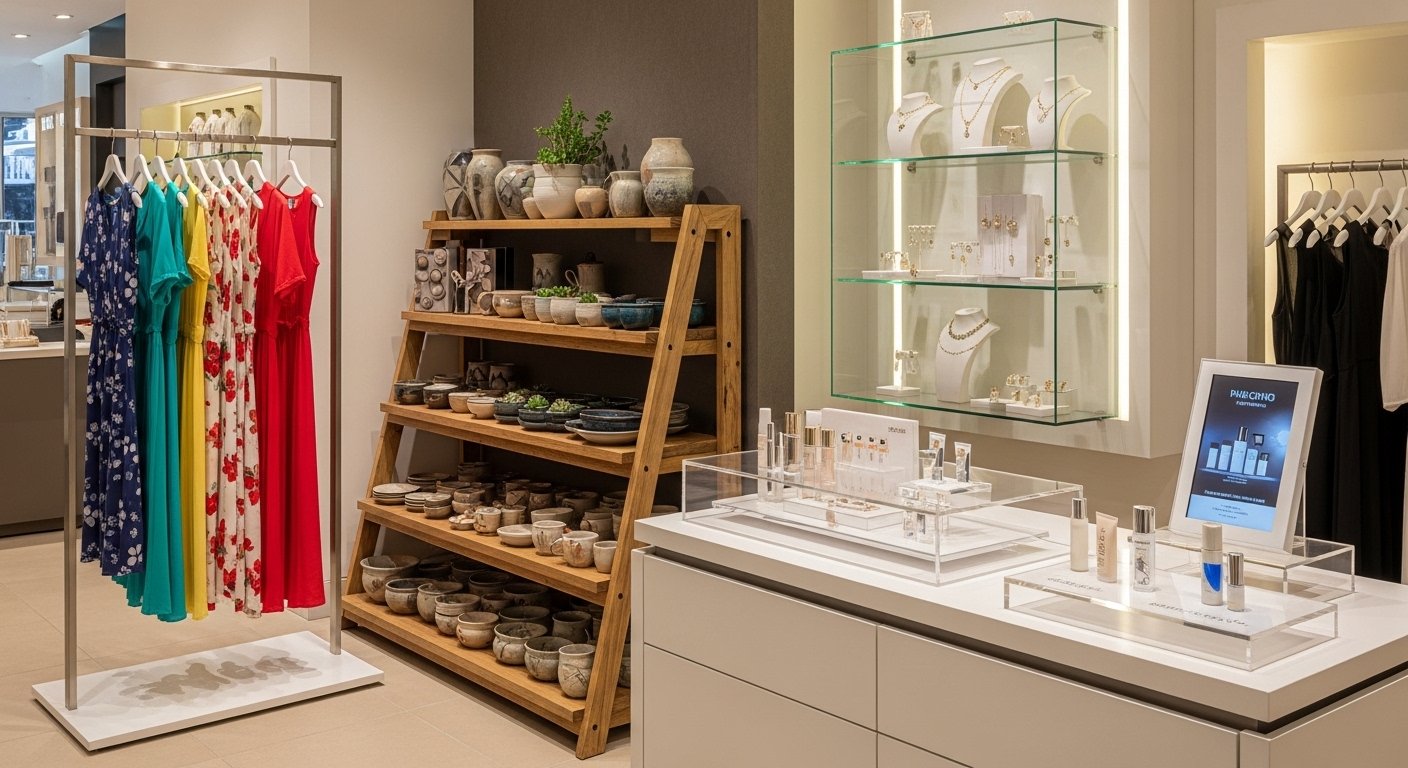
Many designers think that a mold is the only way to get a perfect shape. That is not true anymore. My factory uses high-precision laser machines for both plates and tubes [3]. We can achieve very high accuracy in every step of production [1]. This is important because Display Fixtures and Bespoke Shopfittings often have many parts that must fit together perfectly [1]. If the dimensions are off by even a few millimeters, the final assembly will look messy.
Laser cutting gives us the flexibility to make changes. If you want to adjust a hole or a curve after seeing the sample, we just update the computer file. There is no mold to throw away. We also focus on high-quality surface treatments like powder coating [1]. We calculate the exact amount of powder needed to ensure the thickness is perfect [1]. This precision ensures that the fixtures look beautiful and stay functional in a busy store environment [1]. High-precision production is something we implement in every step, from raw materials to final powder coating [1]. This ensures that every part is accurate and aesthetic for the customer.
| Precision Metric | Laser Cutting Quality | Mold Quality |
|---|---|---|
| Dimensional Accuracy | High (±0.1mm) | Very High |
| Edge Quality | Clean and Smooth | Requires Deburring |
| Consistency | Software Controlled | Physical Wear Dependent |
| Customization | Infinite Flexibility | Limited by Tooling |
Conclusion
Laser cutting offers the best balance of cost, speed, and precision for small-batch Display Fixtures and Bespoke Shopfittings. It avoids high mold fees and delivers high-quality results faster [1].