
Choosing the wrong core material for your Display Fixtures and Bespoke Shopfittings leads to sagging shelves, cracked finishes, and costly rework [1][6]. Don't let a simple material choice ruin your retail design.
MDF is best for smooth painted finishes, while Plywood offers superior strength for structural frames [2]. Particle board is a budget-friendly option for internal parts, but it lacks the durability needed for high-load or moisture-prone areas in luxury retail spaces [2][3].
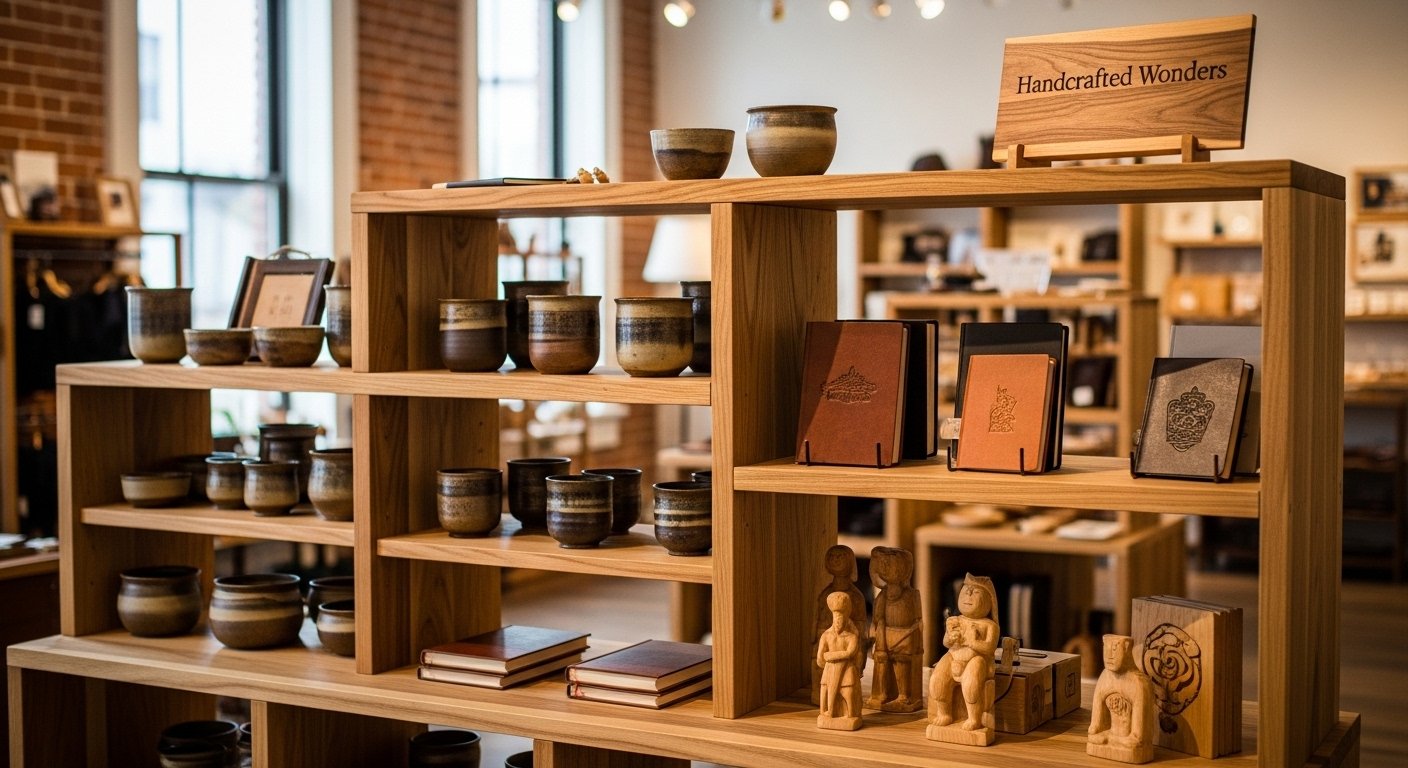
In my years of running a factory, I have seen many great designs fail because the material choice did not match the production reality. If you want to avoid expensive mistakes and ensure your fixtures last, you need to understand how these cores behave on the shop floor.
Performance Comparison: Which Core Material Best Suits Your Fixture’s Structure?
Do your shelves sag under the weight of heavy products? Using the wrong board for load-bearing structures causes permanent damage and risks customer safety in busy retail stores [1].
Plywood is the strongest choice for structural frames because of its layered construction, while MDF provides the best stability for intricate CNC cutting [2]. Particle board has good screw-holding power but is generally reserved for internal, non-load-bearing components [2].
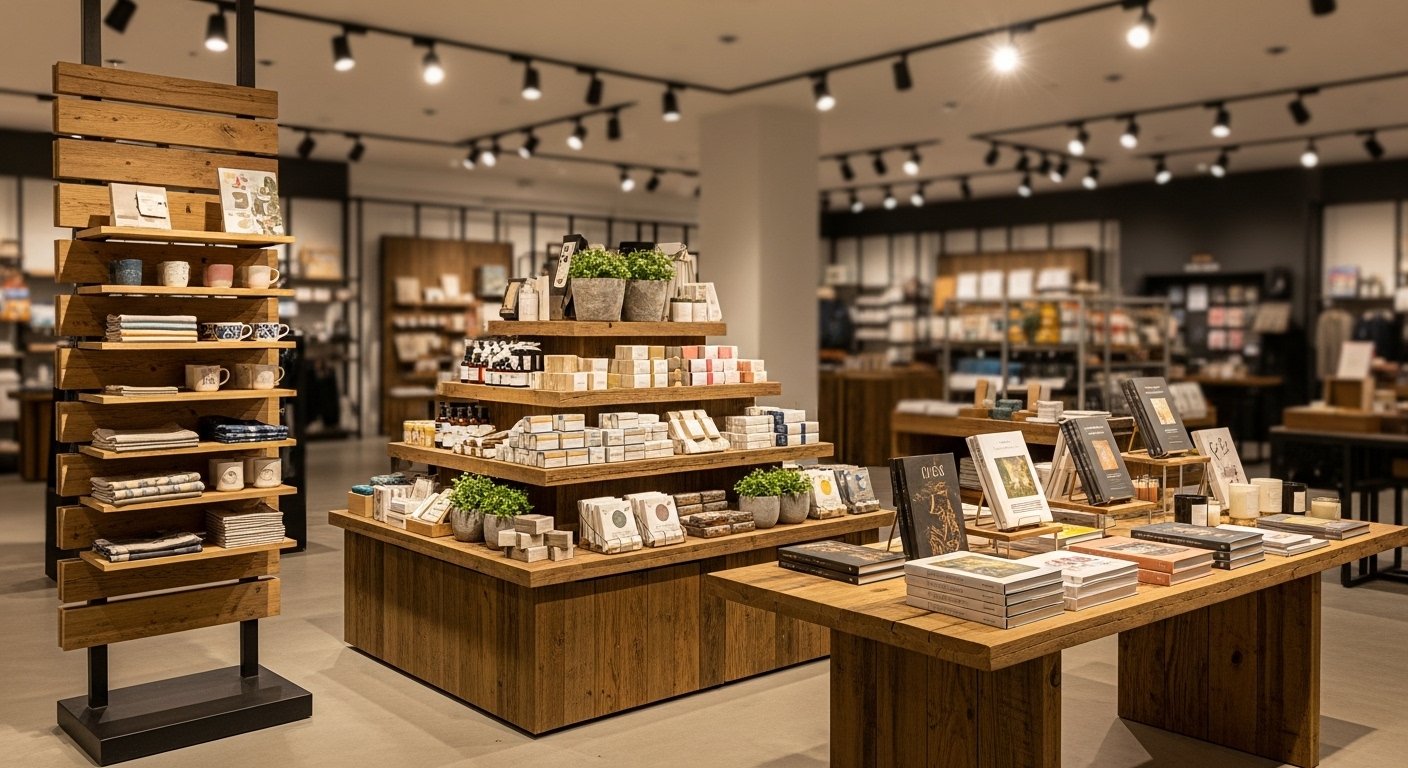
When I first started in the Display Fixtures and Bespoke Shopfittings industry, I learned quickly that "one size fits all" does not exist for wood cores. Each material has a specific job. Plywood, or multi-layer board, is my go-to when I need a fixture to be both light and incredibly strong [2]. It handles weight better than MDF because the alternating wood grains prevent it from snapping or bending easily. However, you must be careful because plywood can sometimes warp if the quality is not consistent [2].
On the other hand, MDF (Medium Density Fiberboard) is a very dense and stable material. It is the easiest to cut into complex shapes using our CNC machines without the edges splintering. In my factory, we often use MDF for the main body of a display because it stays flat and predictable. Particle board, or chipboard, is the most affordable but has the lowest density [2]. In the table below, I have broken down how these materials compare based on my experience in manufacturing.
| Feature | MDF | Plywood | Particle Board |
|---|---|---|---|
| Strength | Medium | High | Low |
| Weight | Heavy | Light/Medium | Medium |
| Screw-holding | Moderate | Excellent | Good [2] |
| Edge Precision | Excellent | Poor (Splinters) | Poor (Crumbles) |
| Best Use | Painted Displays | Structural Frames | Internal Cabinets |
Finishing and Aesthetics: How Does Your Choice of Core Affect the Final Look?
Does your high-gloss paint look wavy or dull? The surface quality of your display fixture depends entirely on the "skin" of the core material you choose at the start [2][6].
MDF is the king of finishing because its ultra-smooth surface is perfect for high-quality painting and veneering [2]. Plywood and particle board often show texture through the finish, making them less ideal for luxury brand displays [2].
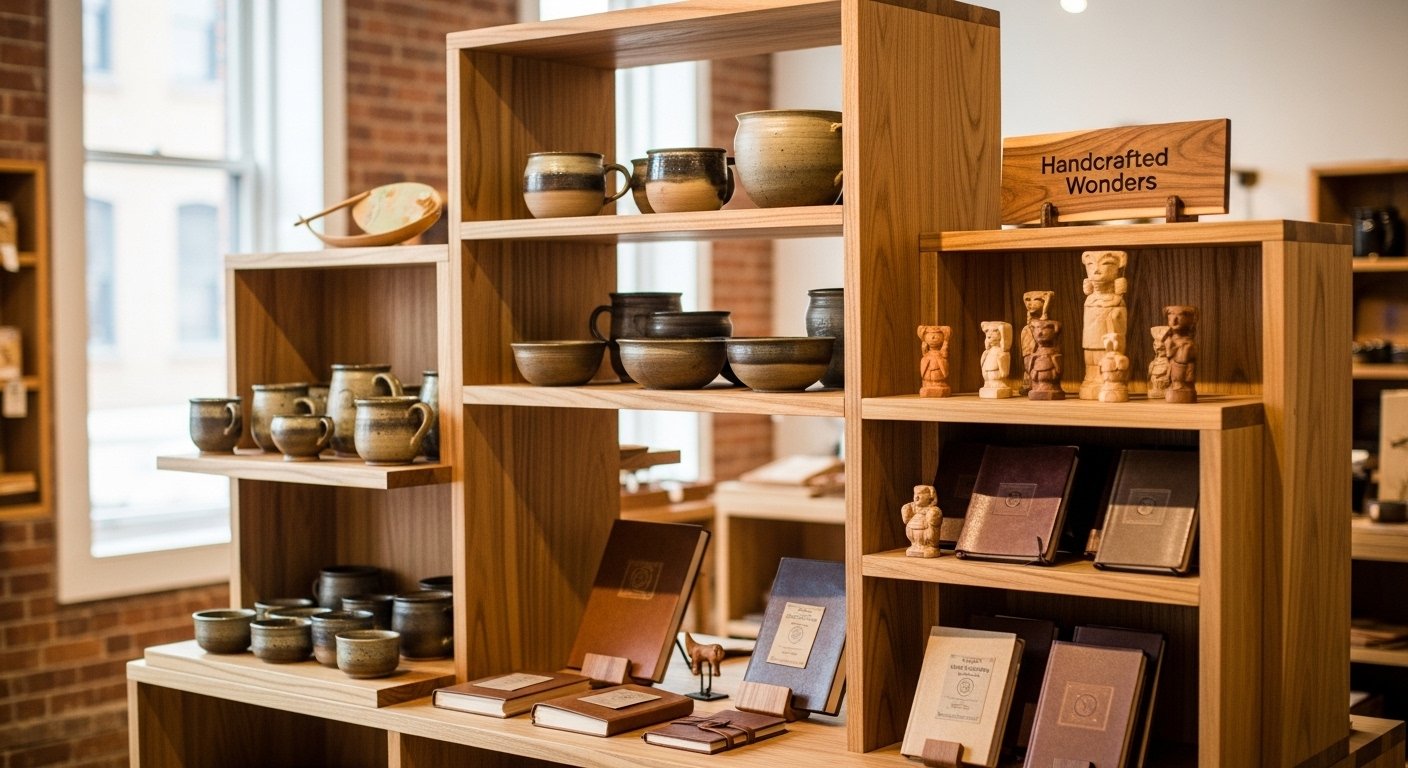
In the world of Display Fixtures and Bespoke Shopfittings, the "look" is everything. For luxury brands, we often use a 2-base, 3-top coat painting process to get a mirror-like finish [3]. You can only achieve this level of perfection with MDF. Because MDF is made of fine wood fibers, it does not have a "grain" that will soak up paint unevenly. If you try to put a high-gloss finish on plywood, you will eventually see the wood grain "telegraph" through the paint, which looks cheap.
I have found that particle board is almost never used for painted surfaces in our factory [2]. Its surface is too porous. Instead, we use it for budget-friendly projects where the board is covered with melamine or laminate. If your project involves thin veneers or HPL (High-Pressure Laminate), MDF is still the winner because its flatness prevents "bubbling" or "telegraphing" over time [2]. In my experience, catching these spec errors at the desk—rather than on the factory floor—saves about 80% of the potential rework costs [6].
| Finish Type | MDF Performance | Plywood Performance | Particle Board Performance |
|---|---|---|---|
| High Gloss Paint | Excellent (Smooth) | Poor (Grain shows) [2] | Not Recommended |
| Natural Veneer | Excellent | Good | Moderate |
| Laminate (HPL) | Excellent | Moderate (Flatness issues) | Good |
| Melamine | Good | Moderate | Excellent (Standard use) |
Durability and Environmental Factors: How to Prevent Cracking and Deformation in Retail Spaces?
Are your fixtures cracking after only a few months in the store? Changes in humidity and temperature can cause wood cores to expand and ruin your expensive shopfittings [3].
Humidity is the biggest enemy of MDF, causing it to expand 30 times more than materials like stone [3]. To prevent cracking and deformation, you must use moisture-resistant grades and ensure all edges are perfectly sealed with edge-banding [3].
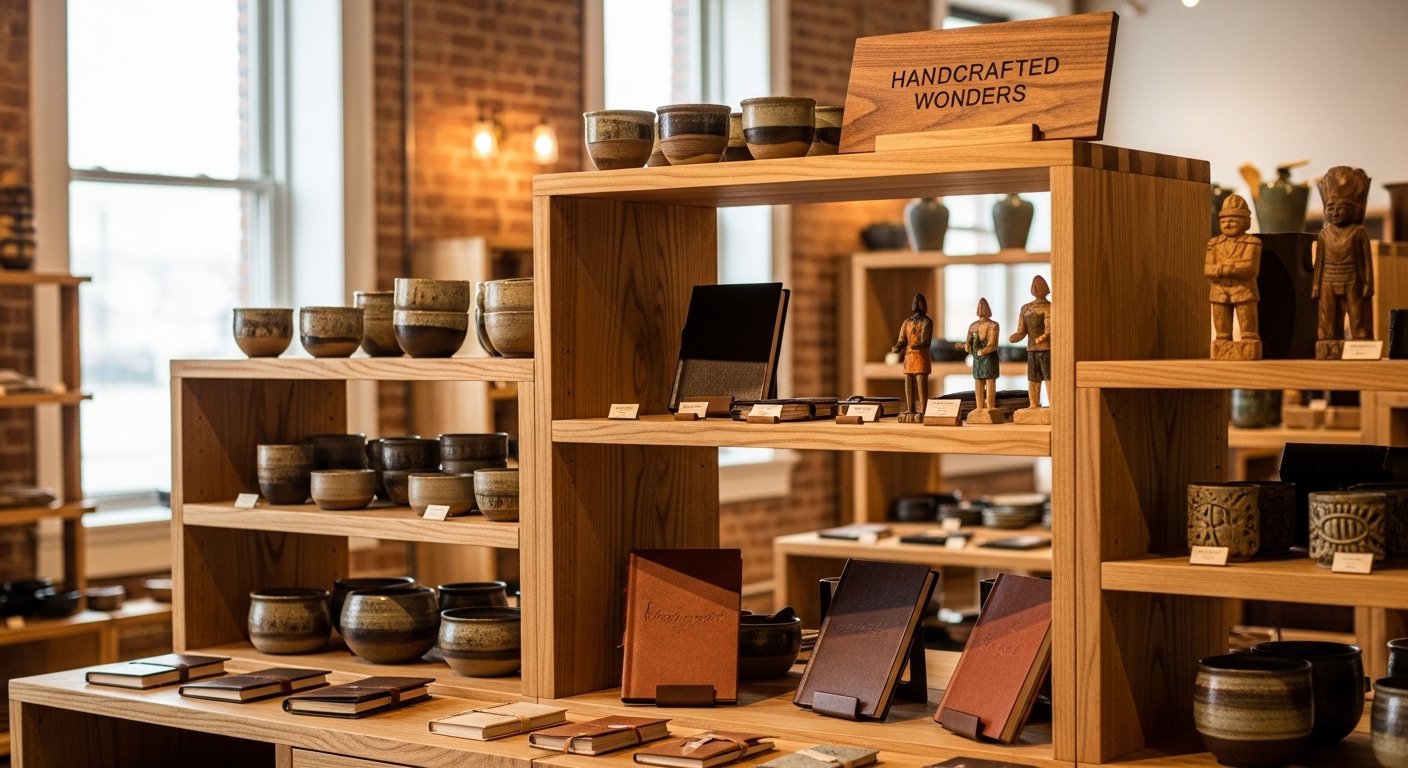
I once had a client whose display cabinets started cracking after they were installed near an air conditioning vent. We analyzed the problem and realized it was the humidity change [3]. MDF is very sensitive to moisture. In a normal environment, MDF can shrink or expand by about 1mm for every meter in length [3]. This might not sound like much, but if you have a stone countertop glued to an MDF base, the MDF will move much more than the stone, leading to a crack [3].
To solve this in my factory, we use specific strategies for Display Fixtures and Bespoke Shopfittings. First, we always check if the project needs "E0" or "P2" certified boards to meet local environmental laws in the USA or EU [1]. Second, we ensure that every single edge of the MDF is sealed. If moisture gets into the core, the board will swell like a sponge and never go back to its original shape [3]. Plywood is naturally more water-resistant because of the glues used between layers, but it can still delaminate in very wet conditions. Designing with "breathing room" or expansion gaps is a trick I always tell my designers to use to avoid these failures [3].
| Factor | MDF | Plywood | Particle Board |
|---|---|---|---|
| Moisture Resistance | Low (unless treated) | High | Very Low |
| Expansion Rate | High (with humidity) [3] | Moderate | High |
| Stability | Excellent | Good | Moderate |
| Environmental Grades | E0, P2 available [1] | E0, P2 available | E1, P2 available |
Conclusion
Choose MDF for flawless paint, Plywood for heavy-duty structures, and seal all edges to prevent humidity damage. Matching the right core to your design ensures high-quality, long-lasting retail fixtures.