
Is your store layout failing to turn browsers into buyers? Generic displays often make great products look average, leading to missed sales. My Display Fixtures and Bespoke Shopfittings solve this by guiding the customer's mind.
Product placement on fixtures affects customer psychology by creating visual hierarchies that command attention. High-quality materials and strategic structures signal brand value, while organized layouts reduce mental stress. This makes shoppers feel more confident in their choices, which leads to higher sales and stronger brand loyalty [3].
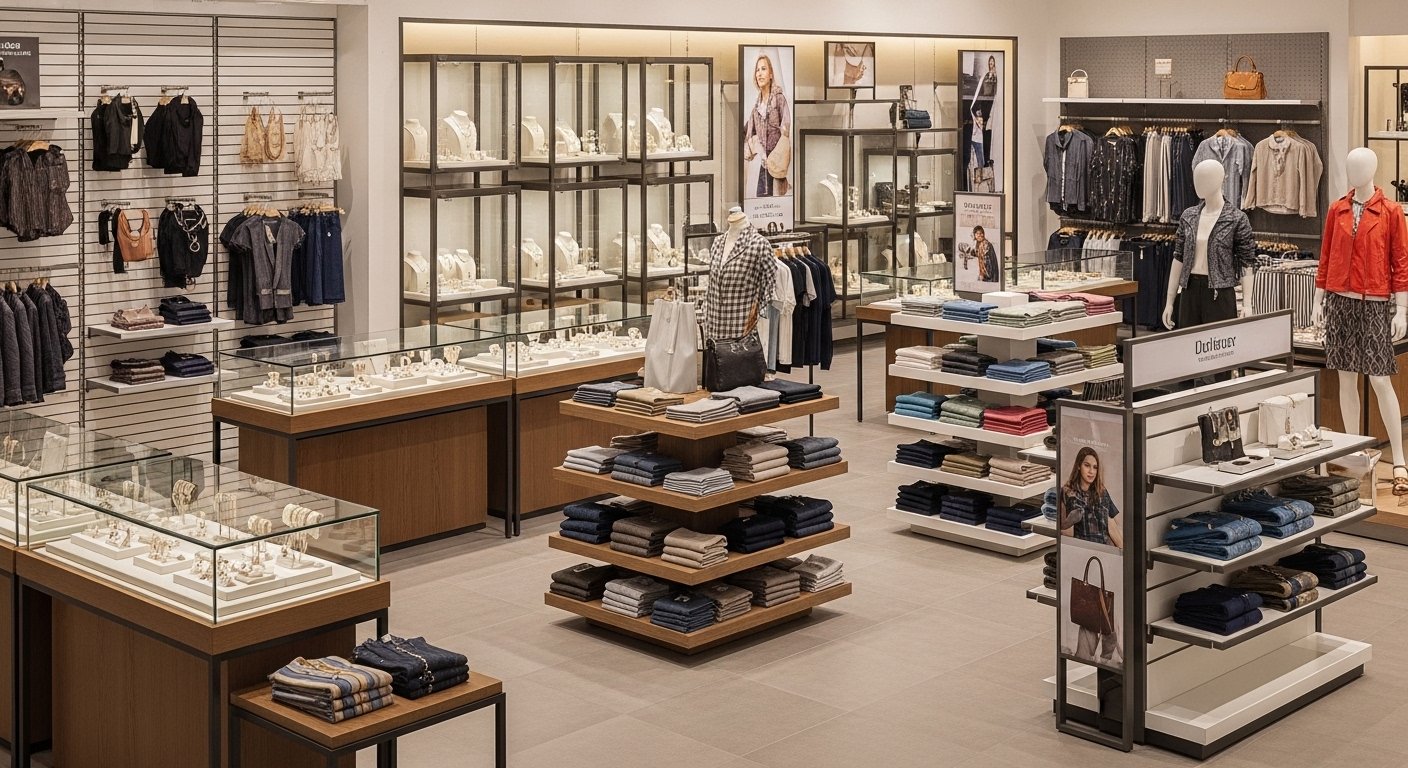
I have spent years working on factory floors and running a display company. I know that a fixture is not just a piece of furniture; it is a silent salesman. If the structure is wrong, the customer feels it, even if they cannot explain why. I want to show you how the small details in manufacturing change the way people shop.
How do high-quality finishes and materials on display fixtures influence a consumer's perception of brand value?
Do you wonder why luxury items look so much better in a boutique than in a warehouse? Poor finishes make expensive products look cheap, hurting your bottom line. Premium finishes provide an instant psychological boost.
The finish on a fixture communicates price and quality before a customer even sees the tag [2]. For example, a luxury item needs a fixture with at least two layers of primer and three layers of topcoat to look perfect [3]. This "visual weight" makes the brand feel trustworthy and high-end.
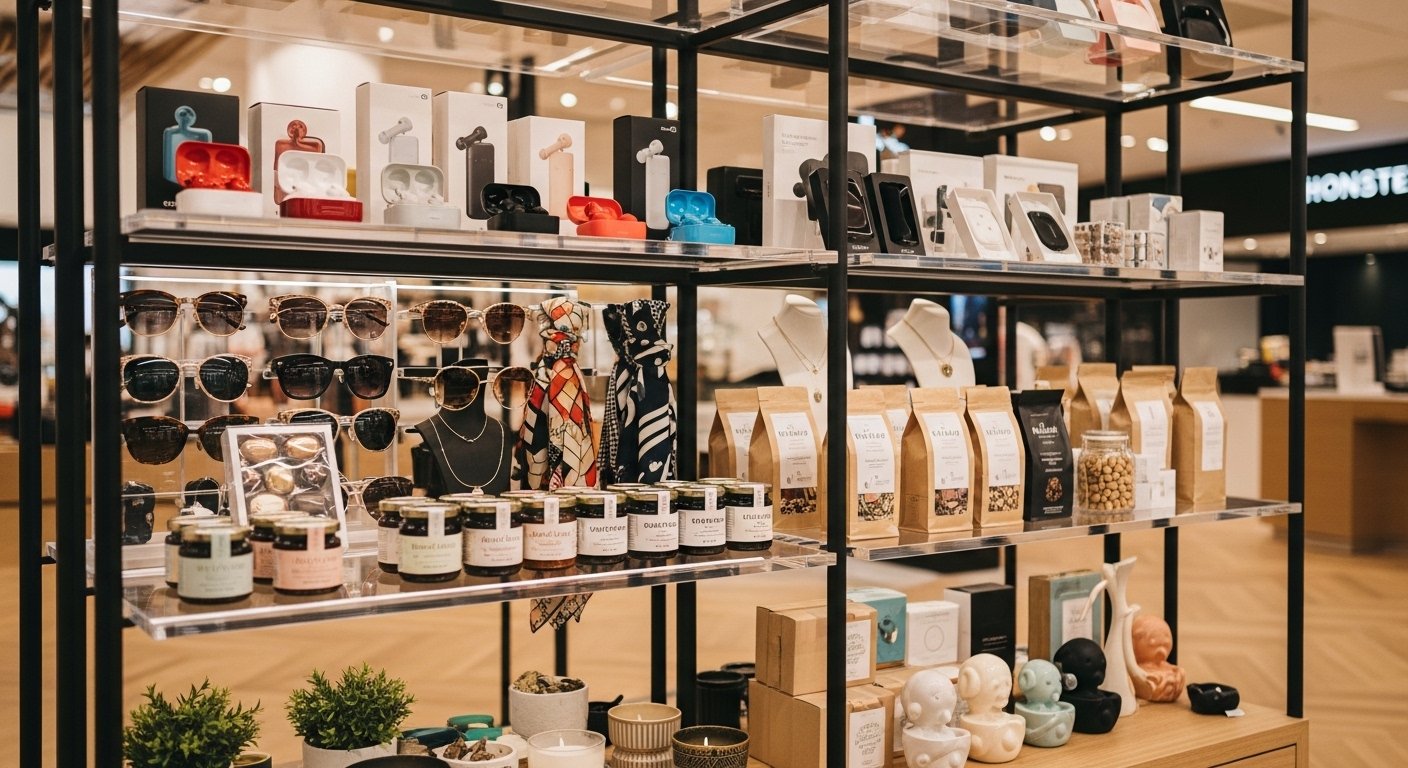
I have learned that the materials we choose tell a story to the customer’s brain. In my factory, we often use PVD coating with an anti-fingerprint layer for high-end projects [6]. This keeps the metal looking clean even after many people touch it. If a shopper touches a greasy, dirty display, they will think the product is lower quality. We also use different wood types like MDF for painting or plywood for strength [2]. For a brand like Walmart, we might use simpler finishes, but for a luxury brand, we go much deeper into the process.
The psychology of touch is very real. When a customer feels a smooth, heavy surface, their brain associates that feeling with the product sitting on it. I always tell my clients that if you want to sell a premium product, your fixture cannot feel hollow or rough. We even use 3D printing for small parts to ensure they are smooth and look exactly like the design [1].
| Finish Type | Visual Impact | Psychological Effect | Best Use Case |
|---|---|---|---|
| PVD Coating | Deep, metallic shine | Premium, Modern, High-value | Jewelry, High-end Electronics [6] |
| Multi-layer Lacquer | Mirror-like smoothness | Luxury, Exclusive, Clean | Fashion, Cosmetics [3] |
| Powder Coating | Uniform, durable matte | Reliable, Practical, Industrial | Sports Gear, Hardware [1] |
| Natural Wood Veneer | Warm, organic texture | Trustworthy, Eco-friendly, Calm | Home Goods, Organic Food [2] |
In what ways does the structural design of fixtures, such as modular or bespoke setups, impact the customer's shopping flow and decision-making?
Are your customers getting lost or bored in your aisles? A bad store flow causes "decision fatigue," making people want to leave without buying anything. Smart structural design fixes the path to purchase.
The structure of a fixture determines how fast a person walks and where they stop [2]. Modular setups offer a sense of order and efficiency, while bespoke shopfittings create unique "discovery zones" that grab attention and encourage impulsive buying by breaking the regular pattern of the store.
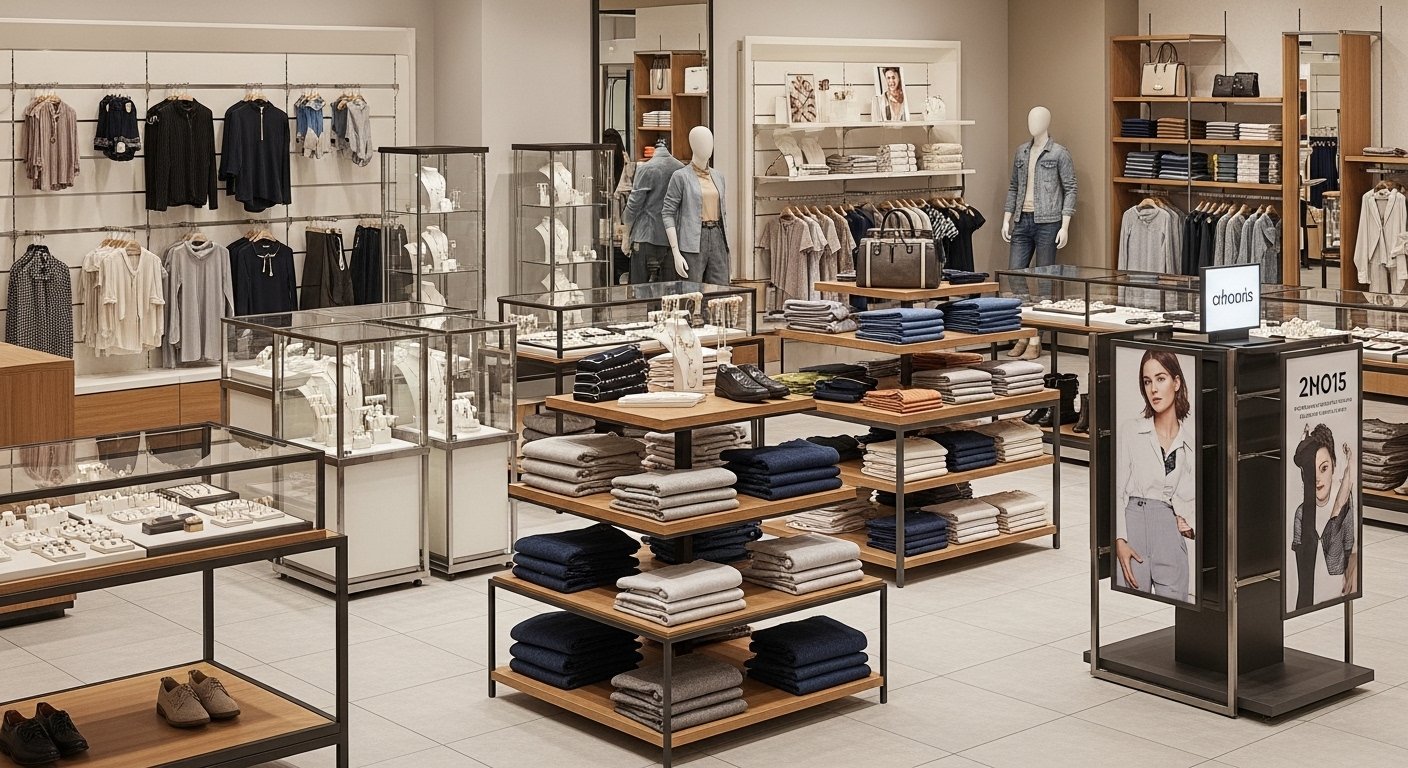
In my experience, the way we build a fixture is just as important as how it looks. I often recommend "knock-down" (KD) designs for my clients in the USA and EU. These structures are easier to ship and cheaper to assemble, but they must still be strong [2]. If a fixture looks wobbly, the customer will subconsciously feel that the brand is unstable.
Bespoke shopfittings allow us to create "focal points." When I design a custom piece, I am trying to change the shopper's physical movement. I use modular parts for the back of the store to keep things organized, but I use bespoke pieces at the front to create an emotional "hook" [1]. We can even use universal parts for internal structures to save costs while making the outside look completely unique [1]. This balance helps the customer feel like they are in a high-end environment without feeling overwhelmed. A well-placed display fixture acts like a signpost, telling the customer exactly where to look next, which makes their decision-making process much faster and easier.
| Design Type | Shopping Speed | Decision Making | Manufacturer Benefit |
|---|---|---|---|
| Modular Units | Fast / Efficient | Quick, repetitive purchases | Low cost, stock available [2] |
| Bespoke Sets | Slow / Discovery | High-value, emotional buys | Unique brand identity [1] |
| KD (Knock-Down) | Flexible | Logical, value-focused | Low shipping & storage cost [2] |
| Integrated LED | Targeted | Focused, urgent attention | Highlights specific promos [3] |
How does the visual precision and consistency of retail fixtures shape customer trust and emotional connection with a brand?
Do your store displays look mismatched or slightly "off"? Small gaps in metal or uneven paint might seem minor, but they signal a lack of care. Precision in fixtures builds deep emotional trust with your shoppers.
Visual consistency across all stores makes a brand feel professional and reliable [1]. When every fixture has the exact same color and finish, it creates a "safe" environment for the customer. Precision manufacturing ensures that the brand appears organized, which lowers the customer's perceived risk [6].
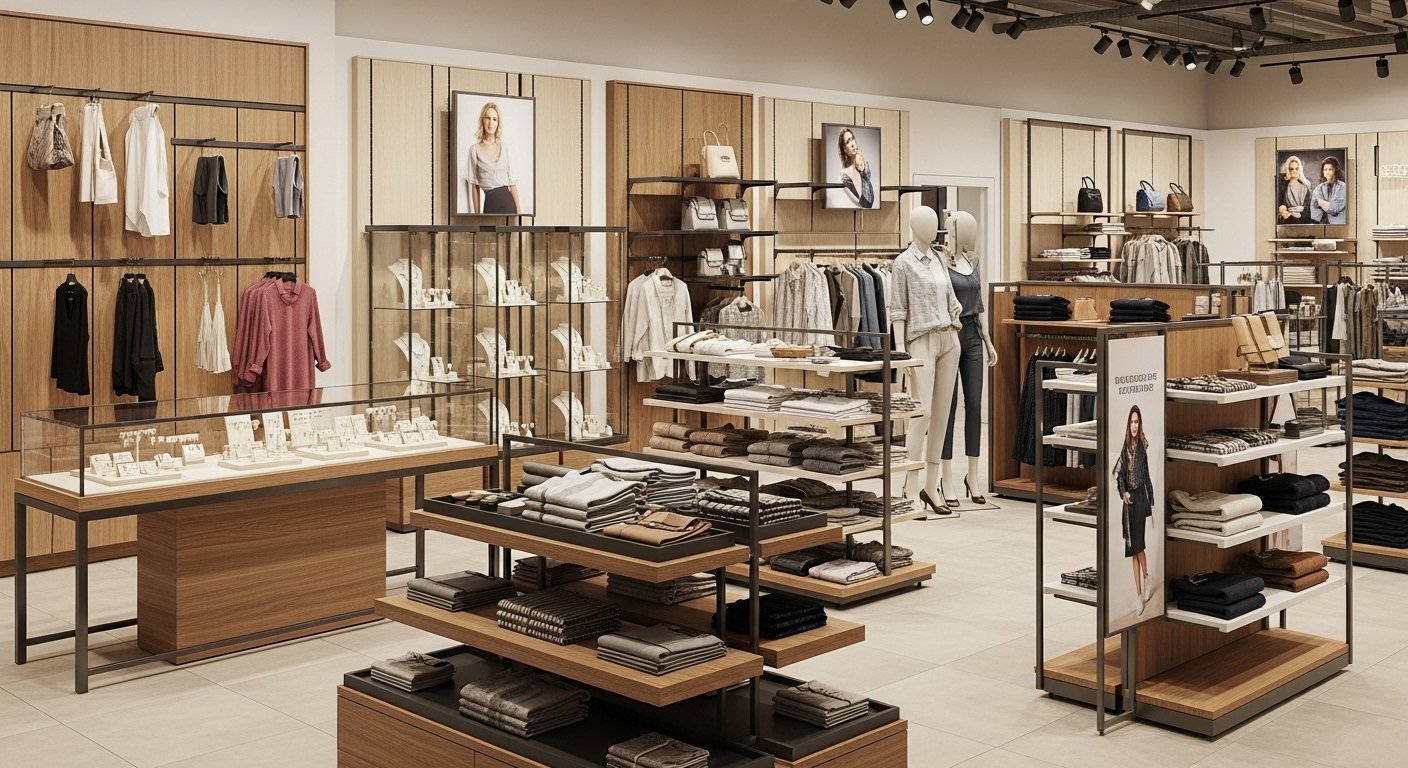
I always say that the most expensive mistake is the one you find too late [6]. In our factory, we use laser cutting for pipes and plates to make sure every piece is perfect to the millimeter [1]. If a shelf is even 2mm off-level, the human eye notices it, and the customer starts to doubt the quality of the products [6]. We also have to be very careful with materials like artificial stone and MDF because they expand differently with heat and humidity [3]. If the gaps are not calculated correctly, the stone can crack, which looks terrible to a customer.
I believe that consistency is the key to global branding. When I help a client roll out a shopfitting design for 100 stores, they need every store to feel identical. We use advanced powder coating equipment to control the thickness of the paint so every piece matches [1]. This level of detail shows the customer that the brand is disciplined. When people see this perfection, they feel an emotional connection because they believe the brand will be just as careful with the products they sell. High-precision manufacturing is not just about engineering; it is about making the customer feel that they are in good hands.
| Precision Metric | Manufacturing Tool | Customer Impact | Risk of Error |
|---|---|---|---|
| Dimensional Accuracy | Laser Cutting / CNC | Visual Harmony, No Gaps | Rework, loss of trust [1][6] |
| Color Consistency | Controlled Powder Coating | Brand Recognition | "Mismatched" look [1] |
| Surface Smoothness | Multi-layer Painting | Premium Feel, Safety | Perceived "cheapness" [3] |
| Material Stability | Expansion Gap Design | Durability, Long-term Quality | Cracking or warping [3] |
Conclusion
Product placement on fixtures influences psychology by using quality finishes, smart structures, and visual precision. These elements guide shoppers, build deep trust, and increase the perceived value of your brand [1][3][6].