
Finding a reliable manufacturer for display fixtures is stressful and complex. One mistake in production can ruin your brand image and blow your budget. Here is how I navigate this industry.
The best showcase manufacturer balances cost and quality through experienced engineering. They offer flexible production methods like laser cutting for small batches, understand international compliance, and provide transparent communication. Look for a partner who optimizes packaging to save shipping costs and manages the supply chain effectively in China or Vietnam.
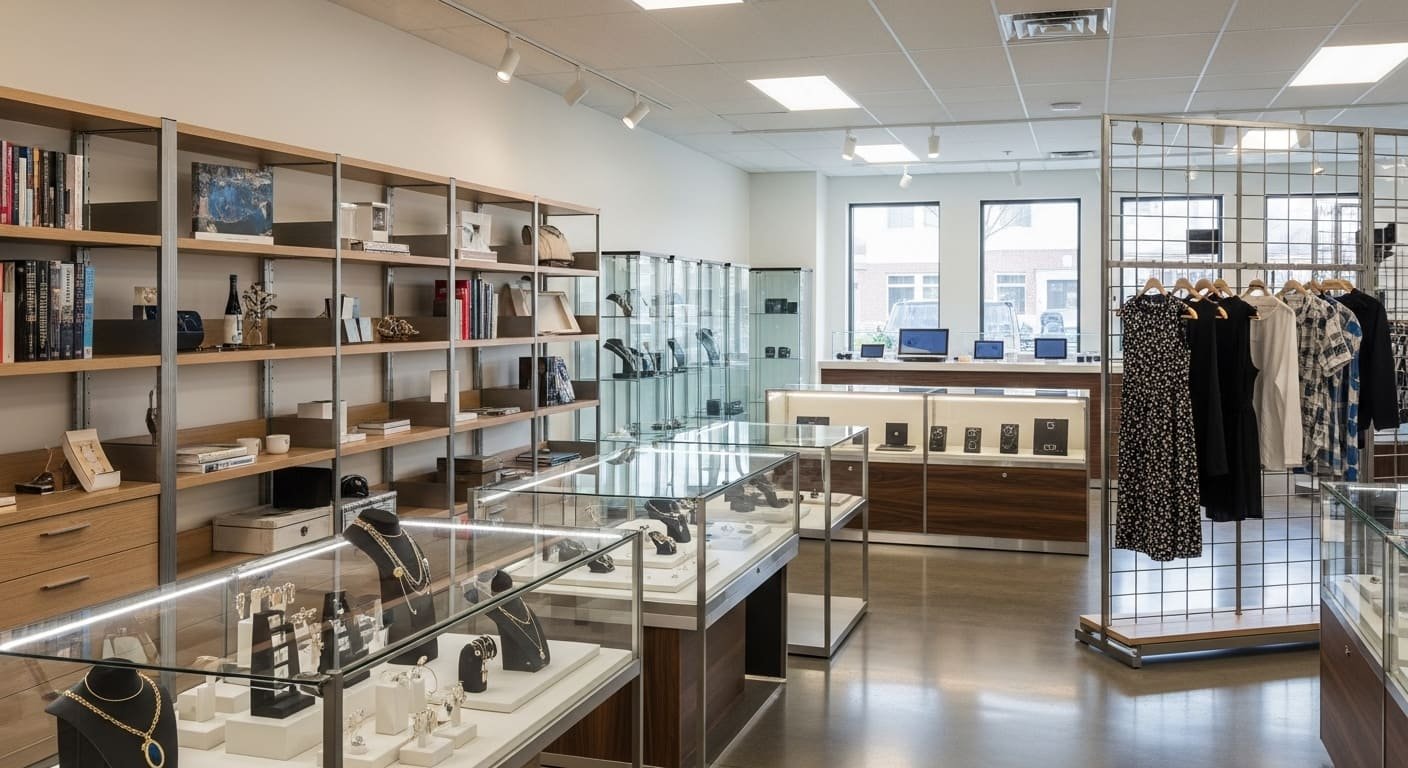
Many brands struggle to understand what actually happens on the factory floor. They see the final product, but they do not see the hundreds of small decisions that go into making it. I want to show you the reality of manufacturing so you can make better decisions for your retail spaces.
Should You Pay for Molds or Use Laser Cutting for Metal Fixtures?
You might think molds are necessary for every metal part you order. This assumption often leads to unnecessary costs and longer lead times for your project.
The choice depends entirely on your order volume. For orders under 50 sets, laser cutting is faster and cheaper than creating molds. Molds cost between $100 and $1000 and take weeks to make. Laser cutting offers flexibility for custom designs without the high upfront investment.
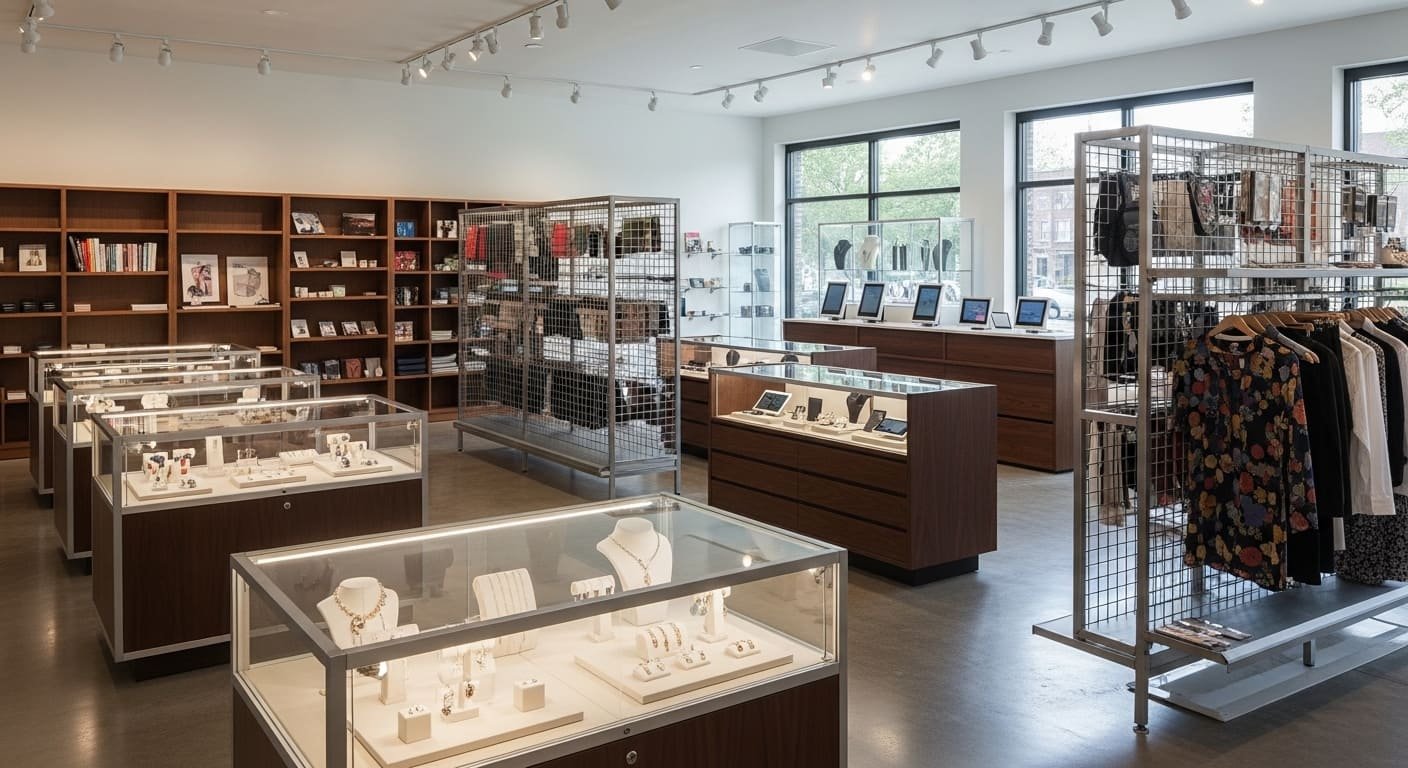
In my experience with "Display Fixtures and Bespoke Shopfittings," the production method must match the volume. Factories in China and Vietnam need to balance profit with competitive pricing. This requires the technical department to have deep experience. For metal components, we always evaluate if a mold is necessary. In principle, most iron processes do not need molds unless the shape is very peculiar. Molds are only for efficiency in mass production.
If you are doing a small batch customization, using a laser machine to cut iron pipes and plates is smarter. The comprehensive cost and efficiency are better than opening a mold. A mold usually takes 5 to 15 days to create. If your order is fewer than 50 sets, waiting for a mold adds cost and delays delivery. However, for injection molded parts, molds are expensive, often over $1000. If the quantity is small, I recommend 3D printing. We can achieve a smooth surface and good color with 3D printing now. For special metal structures, we can also use metal 3D printing with iron, stainless steel, or aluminum alloy, with a lead time of just 12 to 36 hours.
How Do Factories Ensure Quality in Custom Shopfitting Production?
A beautiful design means nothing if the factory cannot execute it perfectly. Poor management leads to delays, rework, and inconsistent quality across your retail stores.
Successful production relies on a skilled technical team that plans assembly and packaging before manufacturing begins. They use precise equipment for powder coating and perform rigorous inspections to ensure every piece fits together perfectly and meets environmental standards.
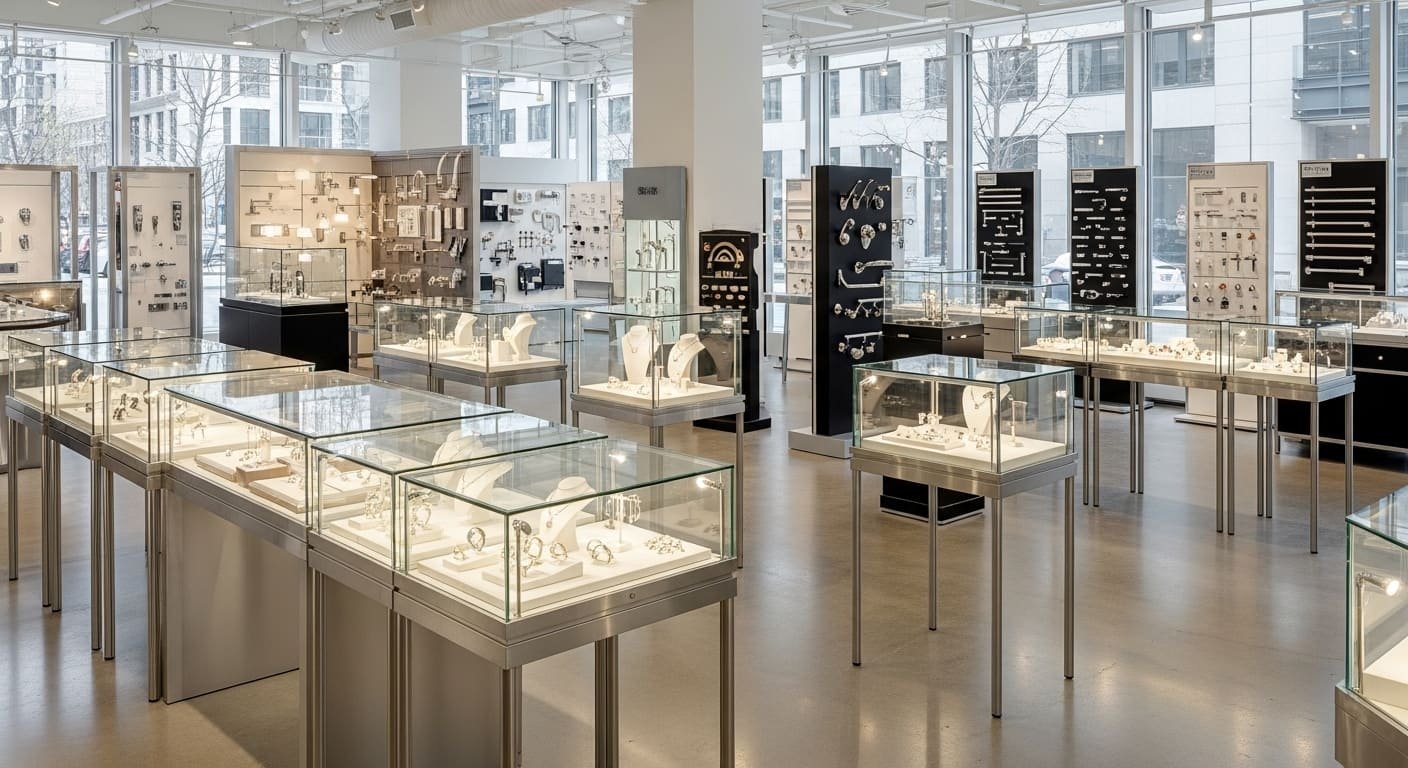
The goal of any factory is to maximize efficiency. Once rework happens, the factory loses its profit. Therefore, excellent suppliers will do everything to get it right the first time. When a client confirms the price and design, the factory starts a complex process: buying materials, designing jigs, and preparing assembly space. Most projects spend a lot of time in the design phase, leaving little time for production. This means we cannot make mistakes.
We must manage the workforce carefully. Custom orders require workers to adapt quickly to different packaging and assembly methods. A fixed, experienced team is essential. We also focus heavily on materials. For example, we use environmental materials like recycled plastics. For surface treatments like powder coating, we use advanced equipment to control thickness precisely. This is crucial for assembly accuracy.
I also want to mention a specific technical issue: stone cracking. If you use artificial stone on a counter, it might crack. This is often due to thermal expansion. Artificial stone expands much more than MDF board when the temperature changes. If the humidity changes, MDF expands much more than stone. If a counter sits near an AC vent or in sunlight, these different expansion rates cause cracks. A good factory knows this and leaves expansion gaps or seals the MDF to prevent moisture absorption.
Is Manufacturing in Vietnam Better Than China for Display Fixtures?
Many companies look to Vietnam to avoid tariffs, but the supply chain reality is complicated. Moving production blindly can lead to quality issues and delays.
Vietnam is great for avoiding US tariffs if the product meets origin rules, but its supply chain is less mature than China's. Complex components often need to be shipped from China to Vietnam for assembly, which requires careful management to ensure quality.
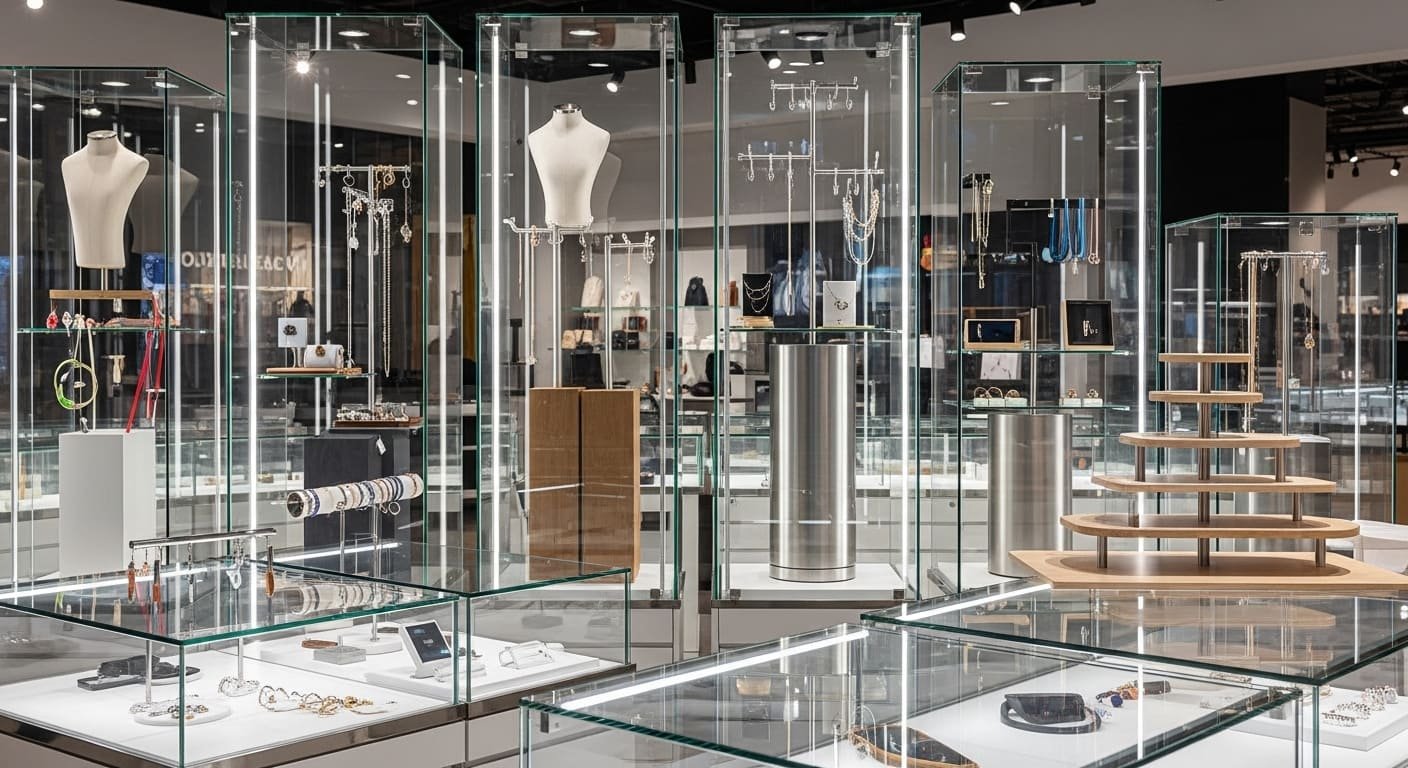
I have production capabilities in both China and Vietnam. Currently, Vietnam is very suitable for the North American market due to tariff advantages. However, you must understand the rules. For a product to qualify as "Made in Vietnam," the import ratio of the total value must usually be lower than 40%. For example, we can buy metal raw materials in Vietnam and process them there. This accounts for more than 60% of the value. Then, we can import accessories like glass or acrylic from China. This combination allows the product to enjoy lower tariffs when entering North America.
We ship containers of parts from Xiamen to Ho Chi Minh City every month for assembly. The supply chain in Vietnam is not as complete as in China. It is hard to find diverse suppliers for accessories there. The choices are few, and quality is hard to guarantee because there is less competition. Also, infrastructure in Vietnam is still improving; traffic can be a headache. In contrast, China has a complete supply chain suitable for highly complex, customized luxury fixtures. Europe generally prefers the quality and complexity that China offers. So, if you are a North American buyer, Vietnam is a good option, but you need a supplier who knows how to manage the cross-border supply chain effectively.
What Hidden Costs and Risks Should You Watch Out For?
The price on the invoice is rarely the final cost of your project. Hidden fees and compliance issues can destroy your profit margins unexpectedly.
Buyers often face problems like non-compliant materials, shipping damage due to poor packaging, and hidden freight charges. Using "Knock Down" (KD) designs instead of pre-assembled shipping can save up to 80% on container space and reduce freight costs significantly.
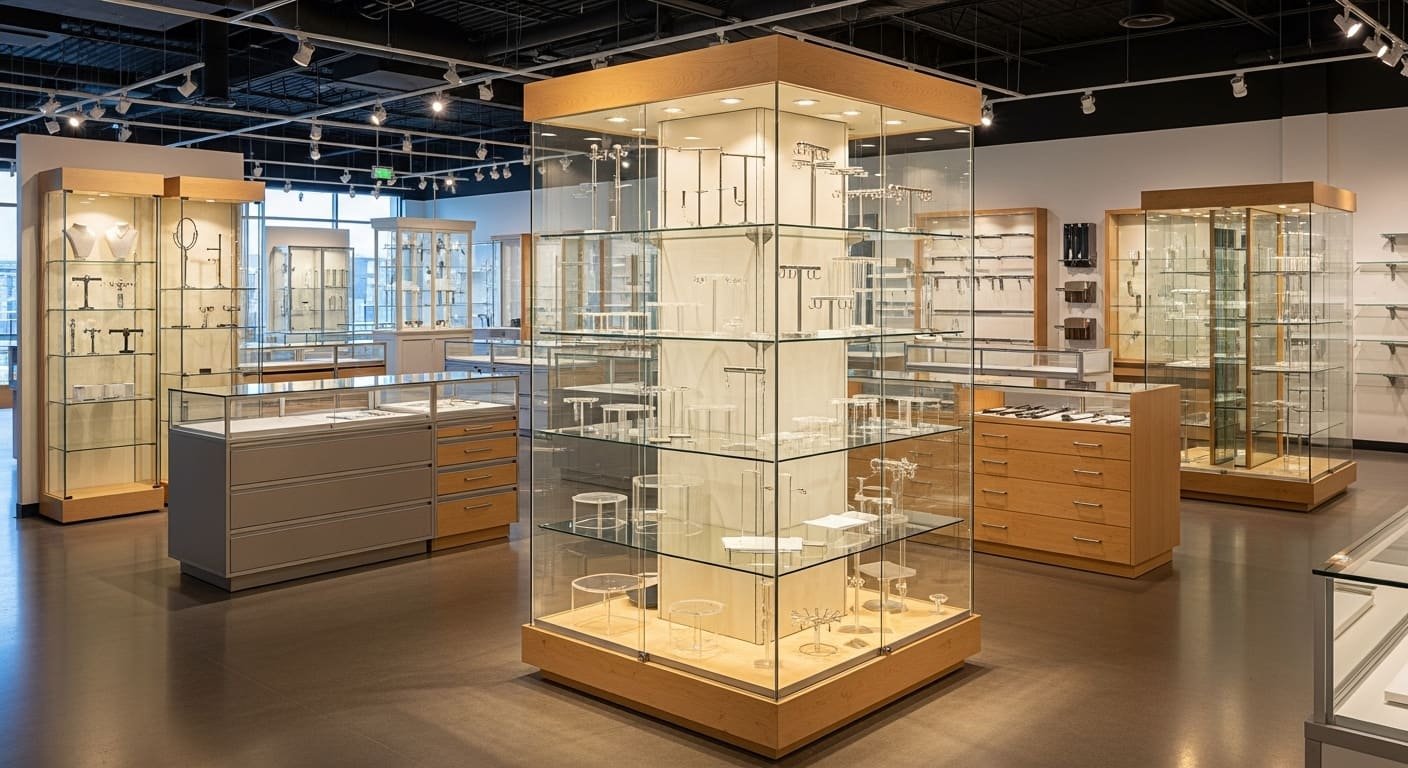
When foreign companies buy from China, they face several common pitfalls. First, the mass production quality might not match the sample. Second, materials might not meet local regulations, such as E0 or P2 environmental standards for boards, or electrical certifications. Third, shipping fees can be a trap. If you use a designated freight forwarder (FOB), they might overcharge on local fees like THC (Terminal Handling Charges) or document fees. For example, a standard THC might be 850 RMB, but a bad forwarder might charge 1200 RMB. You need to know these standard costs to avoid being cheated.
Another huge cost factor is packaging. I always recommend "Knock Down" (KD) or disassembled shipping. Compared to shipping fully assembled units, KD can save 50% to 80% of container space. This also reduces packaging materials. If you ship assembled, you need a lot of filler to prevent damage from shaking on the ship. While assembly at the destination store costs money, labor in China and Vietnam is cheaper. However, modern designs are moving towards easy assembly structures. This balances the cost. We can design fixtures that a single skilled worker can assemble on-site. This saves on sea freight and makes the total cost of ownership much lower.
What Are the Future Trends and Types of Retail Display Fixtures?
Retail is changing fast, and old static displays are no longer enough. Brands need to adapt to new technologies and sustainable practices to stay relevant.
The future of retail displays involves smart interaction, modular designs for flexibility, and the use of sustainable materials. Brands are moving towards emotional storytelling in physical spaces, using eco-friendly production methods to align with global environmental standards.
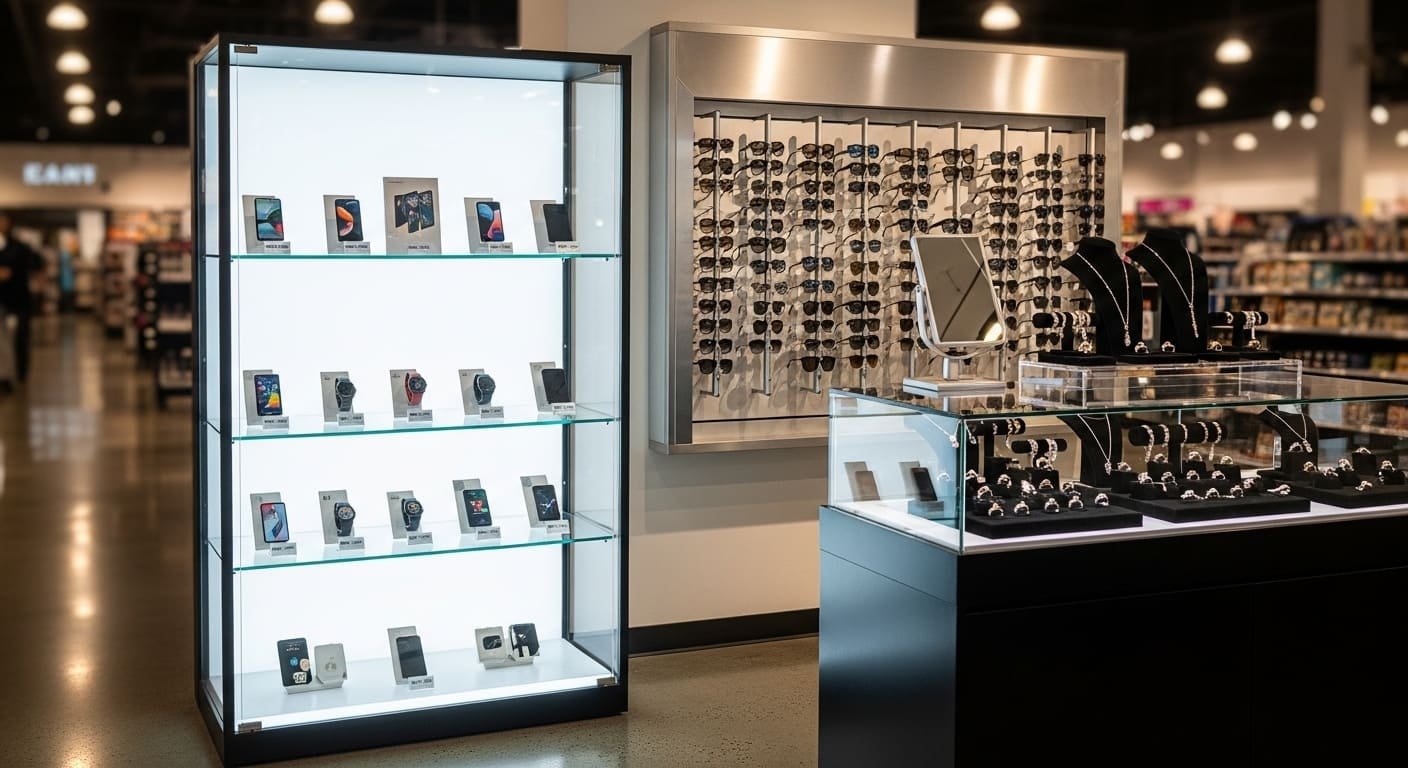
We produce many types of fixtures: shelving units, display cases, clothing racks, checkout counters, and end caps. Each has a specific role. For example, end caps at the end of aisles are prime real estate for promotions. Dump bins are great for small, loose items. But the industry is evolving beyond just holding products.
We see a trend towards "Smart Interaction." Future displays will use AI and sensors. Imagine a counter that recognizes a customer and suggests products. We also see "Modular Design." Brands want displays they can move and reshape for pop-up stores. This flexibility saves money in the long run. "Sustainability" is also massive now. Brands want recycled materials and low-carbon production.
When you work with a supplier like me, the workflow is simple. You provide the sketches, functional requirements (like weight capacity), and aesthetic goals. I provide the material recommendations, engineering, and rapid prototyping. In China, we can finish a prototype in one week. This speed is our advantage. We act as the bridge between your concept and the physical reality. We ensure the product is durable, looks premium, and fits your budget.
Conclusion
Choosing a manufacturer is about finding a partner who understands engineering, cost control, and market trends to deliver your brand vision effectively.