
Sourcing overseas often feels like throwing money into a black hole. You wait weeks with zero news, fearing delays will ruin your store opening. Transparent updates finally bring you peace of mind.
Transparent updates solve "uncertainty anxiety" by providing real-time data on material sourcing, production milestones, and quality checks [1]. This visibility allows you to track progress against deadlines, identify potential delays early, and ensure the final product meets your exact specifications before it even leaves the factory [6].
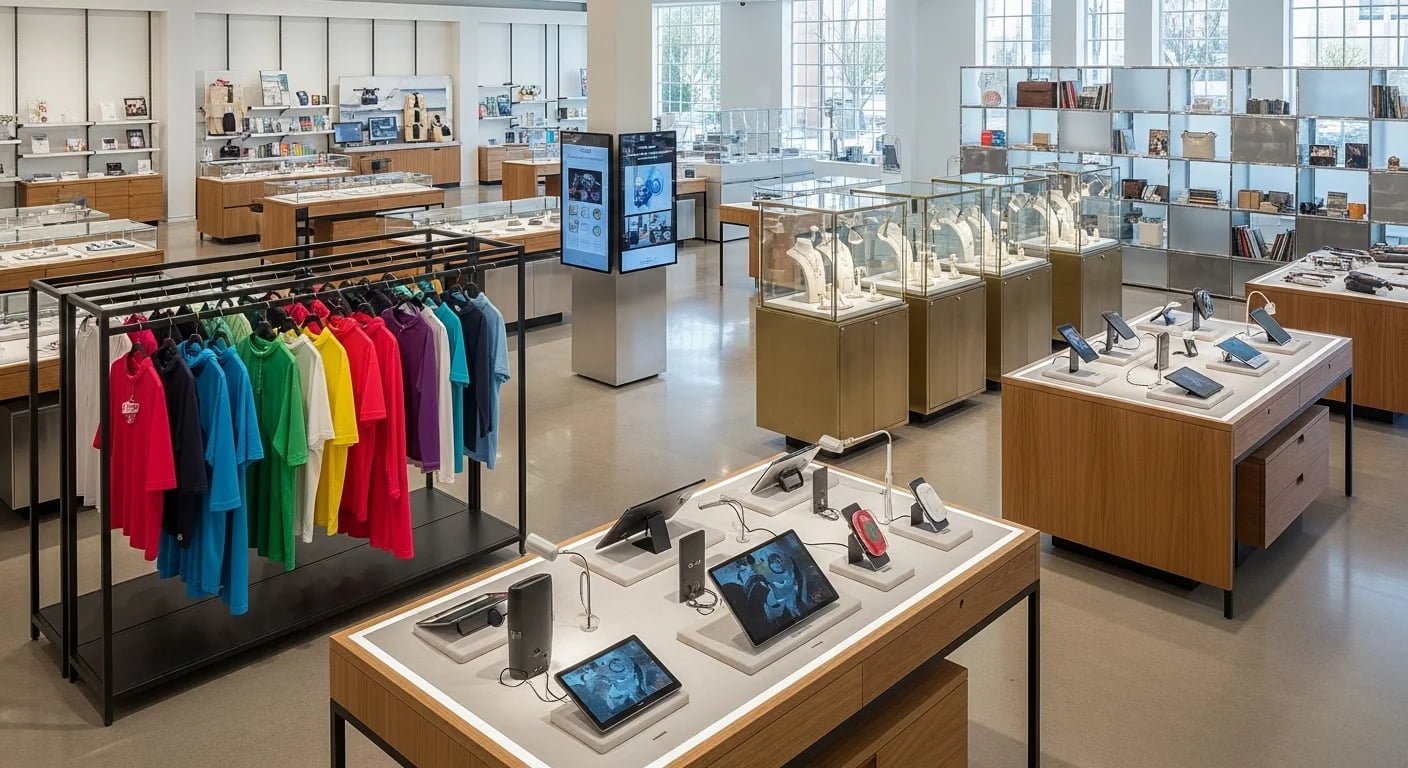
I have spent years in the factory trenches and I know that silence from a supplier is the loudest warning sign. It keeps designers like you awake at night. Let me show you how we can break that silence and build trust through every step of the process.
Eliminating the "Black Box": How can real-time status tracking resolve opaque lead times?
You approve a sample but then wait weeks for any news. This silence makes you wonder if the factory even started. Real-time tracking replaces guessing with facts.
Real-time tracking resolves opaque lead times by showing the exact status of material procurement, machine debugging, and assembly [1]. This ensures you know if a project is on track or if external supply chain issues in regions like Vietnam are causing delays [2][5].
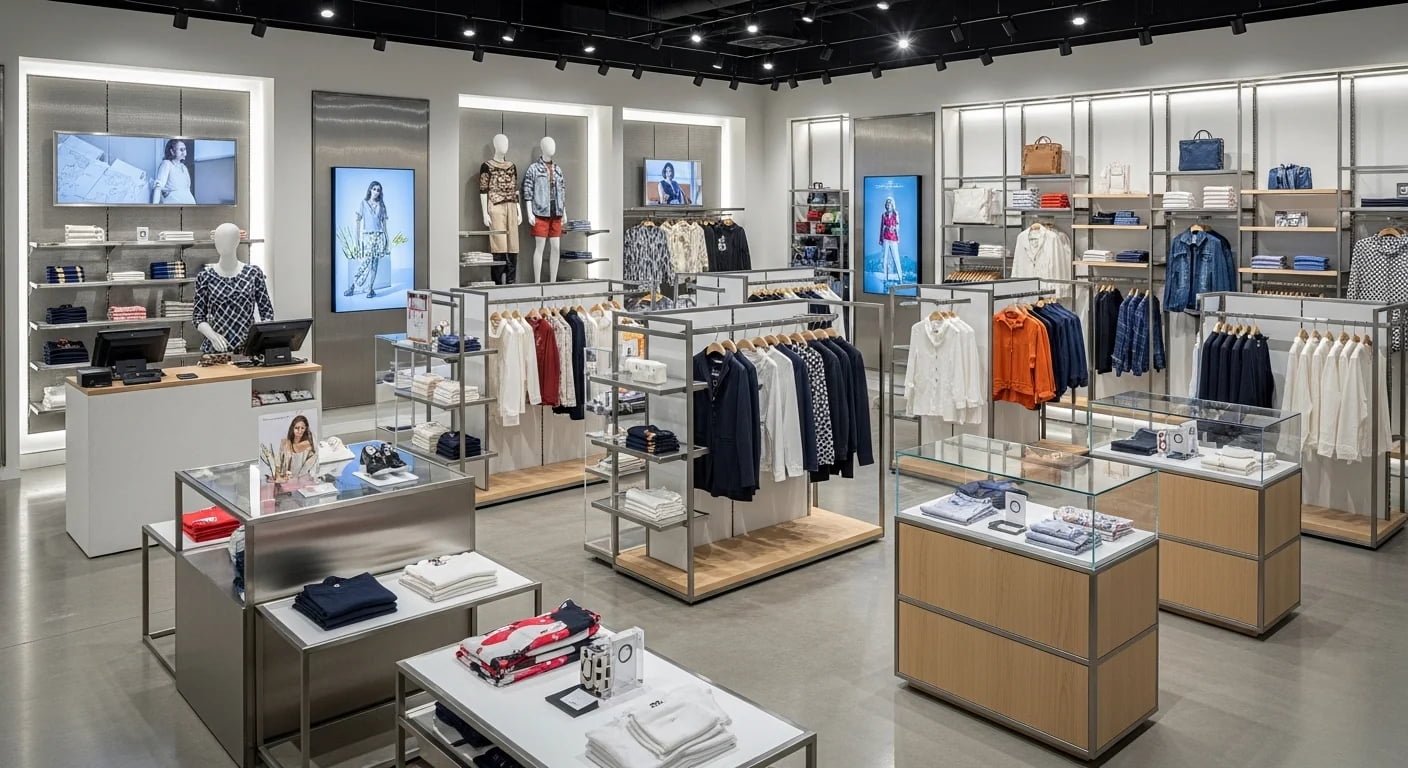
In my experience, the production of Display Fixtures and Bespoke Shopfittings is a complex dance. Once you confirm the price and shipping, the factory must buy materials, design jigs, and tune machines [1]. Most projects lose time during the early design and sample stages, but the actual production cannot afford any mistakes [1]. I have seen how a strong supply chain helps, but even the best factories face hurdles. For example, if your order is small, say under 50 sets, using 3D printing or laser cutting is often faster than waiting for a metal mold which takes 5 to 15 days [1].
When I share updates, I show you these small wins. If we use 3D printing for a prototype, you see the smooth surface and color in 12 to 36 hours [1]. This is much better than waiting weeks for a mold that might not be needed. We use management systems to track every detail. This helps you plan your store opening with confidence.
| Production Stage | Key Activity | Impact on Lead Time |
|---|---|---|
| Pre-Production | Material procurement and jig design | Usually 1-2 weeks depending on material [1] |
| Prototype | 3D printing or Laser cutting | Fast testing (12-36 hours) [1] |
| Metal Work | Bending, welding, and laser cutting | High efficiency with CNC machines [3] |
| Surface Finish | Powder coating or PVD coating | Essential for aesthetics and durability [1][6] |
| Assembly | KD (Knock-down) or full assembly | Affects shipping volume and costs [1][2] |
Bridging the Quality Gap: Can transparent updates ensure mass production matches the approved prototype?
The sample looks perfect, but you fear the mass production will be full of shortcuts. This "bait and switch" ruins retail brands. Transparency ensures the final units match the first.
Yes, transparent updates ensure consistency by documenting raw material inspections and surface treatment precision, such as powder coating thickness [1]. Regular photo or video updates during the manufacturing process verify that the factory isn't cutting corners or using sub-par materials [1].
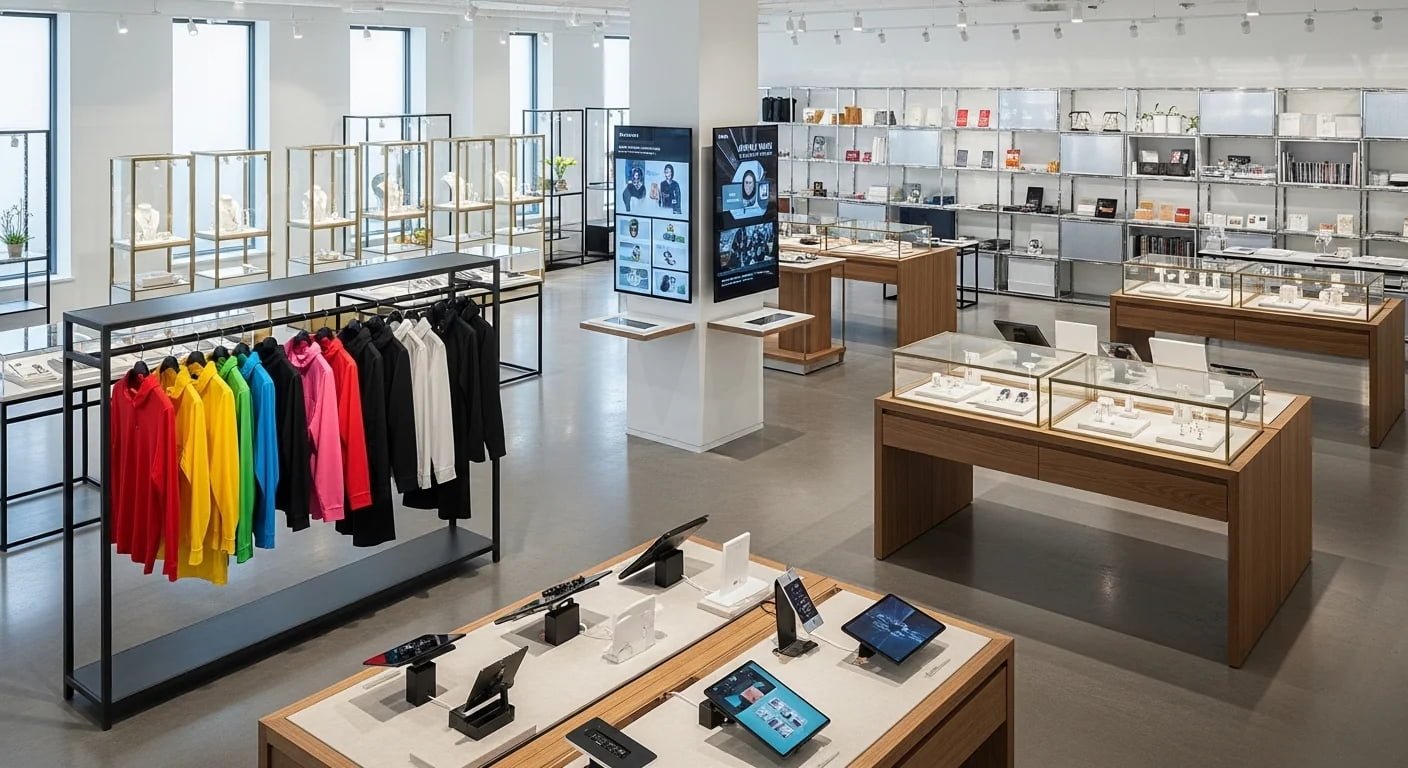
I believe that most mistakes in furniture manufacturing don't look like mistakes at first. A stain that is 5% off or a screw hole 2mm out of spec might seem small [6]. But if you find this after shipping, it is a disaster for your budget and trust [6]. That is why I focus on "desk-side" work. We make sure the drawings and material specs are clear before we even touch a machine [6].
In our factory, we use high-quality powders and precise equipment to control the thickness of every coating [1]. If you are sourcing luxury shopfittings, we might apply two coats of primer and three coats of topcoat [3]. We even test the paint hardness with pencils to make sure it won't scratch easily [3]. When we share these test results with you during production, you know the mass production is exactly like the sample we both agreed on. We also ensure that materials like MDF or plywood meet your local environmental standards like E0 or P2 [1].
| Material/Process | Common Quality Risk | Transparency Solution |
|---|---|---|
| Metal Parts | Dimensional inaccuracy | CNC machine logs and precision checks [3] |
| Wood (MDF/Plywood) | Formaldehyde levels/standards | Certifications and material origin logs [1][2] |
| Powder Coating | Uneven thickness or "orange peel" | Digital thickness gauge photos [1][3] |
| Artificial Marble | Cracking due to temperature | Humidity control and expansion gap checks [3] |
| PVD Coating | Fingerprints and wear | Anti-fingerprint (AF) layer verification [6] |
Mitigating Invisible Risks: How does early-stage transparency prevent costly reworks and shipping delays?
A tiny mistake in a screw hole or a stain tone can lead to a total loss after shipping [6]. Catching these early saves your budget and your reputation.
Early-stage transparency catches errors in drawings or tolerances before mass production begins [6]. By sharing details on local compliance and assembly tests early, you avoid the high costs of rework, air freight, or customs issues with non-certified components [1][3].
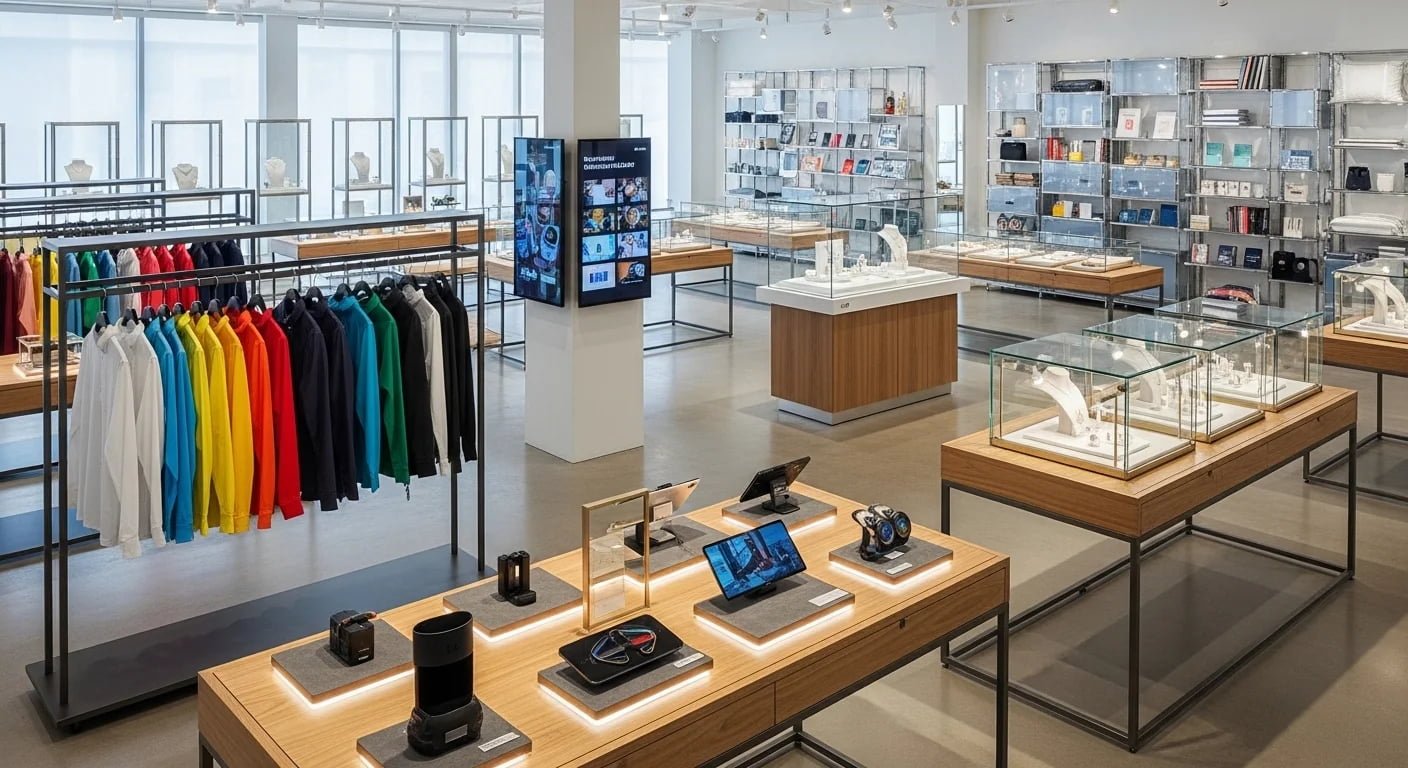
I often tell my clients that the factory just exposes the problem; it rarely creates it [6]. Most issues start at the desk with unclear drawings or last-minute changes [6]. By being transparent about our engineering process, we can find these errors early. For example, if we design your Display Fixtures as "Knock-Down" (KD) parts, we can save 50% to 80% on shipping space [1][2]. This is a huge win for your budget.
Another invisible risk is the "hidden" cost of shipping. I have seen freight forwarders charge extra for things like THC or VGM fees [3][4]. By providing you with a clear specification list and standard shipping documents, we help you avoid these traps [1][4]. We also make sure all electrical parts have the right certifications for the USA or EU so your goods don't get stuck at the border [1]. When you see our team checking these details in our weekly updates, you know we are protecting your project from these silent failures.
| Risk Category | Potential Cost | Early Prevention Method |
|---|---|---|
| Production Error | Total loss of batch | Digital prototype and jig testing [1][6] |
| Compliance Issue | Customs seizure or fines | Verification of E0/P2 and electrical certs [1] |
| Shipping Damage | Product rework on-site | Proper packing and KD structure design [1][2] |
| Logistics Overcharge | 10-20% extra FOB cost | Reviewing THC/VGM fee standards early [3][4] |
| Installation Failure | High labor costs on-site | Clear assembly manuals and video guides [2] |
Conclusion
Transparency turns a risky overseas transaction into a reliable partnership. It ensures your Display Fixtures are high-quality, arrive on time, and match your design without any hidden costs [1][6].