
Retailers often struggle with high rents and crowded floor plans. Wasted space means lost sales and unhappy customers. Strategic shelving solves this by turning every inch of your store into a profit center [1].
Strategic Display Fixtures and Bespoke Shopfittings optimize space by using modular, knock-down designs that adapt to different layouts. These systems maximize vertical density and brand visibility, ensuring every square foot contributes to sales while reducing shipping costs and assembly time [1][2].
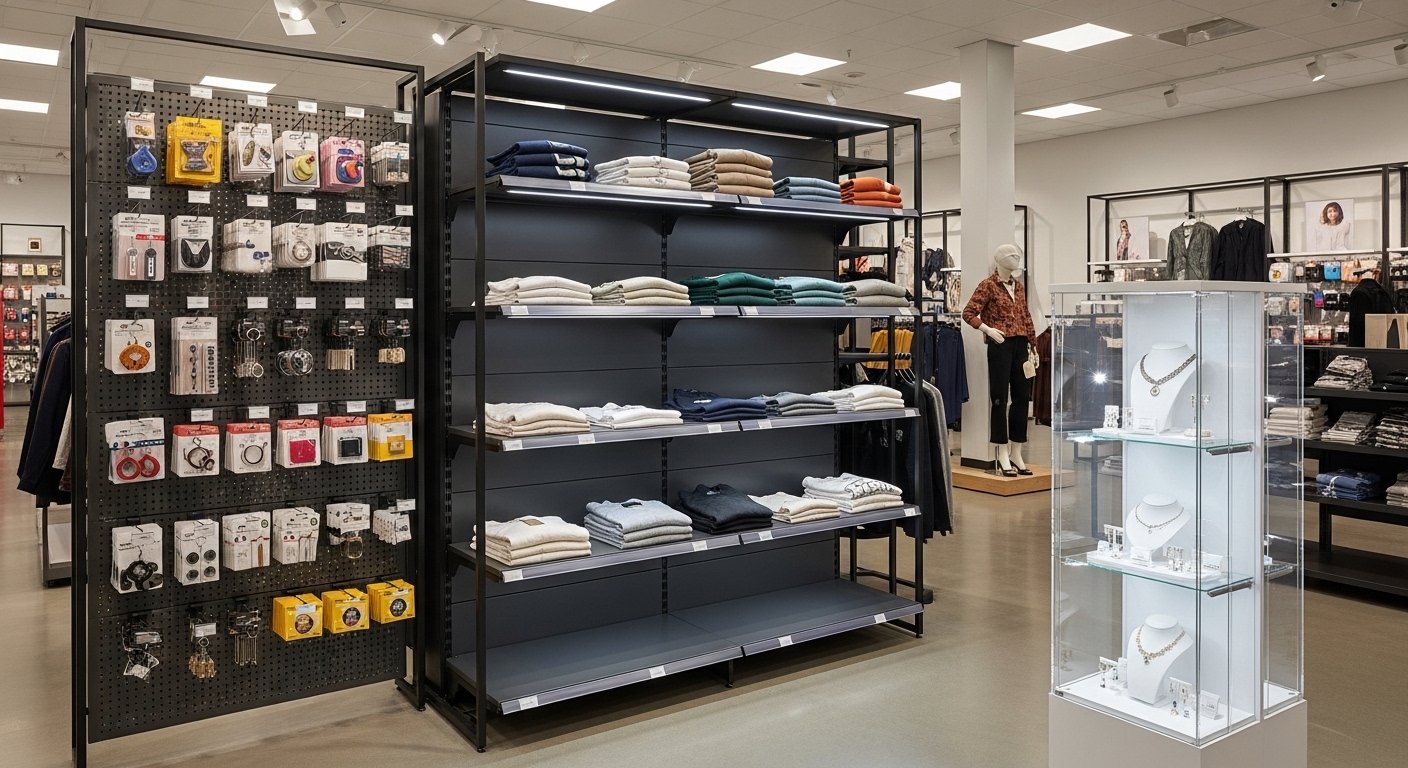
I have seen many stores fail because they use bulky, fixed furniture that cannot change. My experience in the factory taught me that smart design is the secret to retail success. Let me show you how these systems work for your bottom line.
How does modular and knock-down (KD) structure design balance logistics efficiency with retail floor adaptability?
Shipping bulky displays is very expensive and slow. If you cannot move your shelves easily, your store layout becomes stale. Modular KD structures fix these logistics and adaptability headaches for modern retailers [1][2].
KD designs save 50%-80% on shipping space, which drastically lowers your freight costs [1]. Modular components like universal uprights allow for quick reconfigurations. This balance means you pay less for logistics and can change your floor layout whenever retail trends shift [1][2].
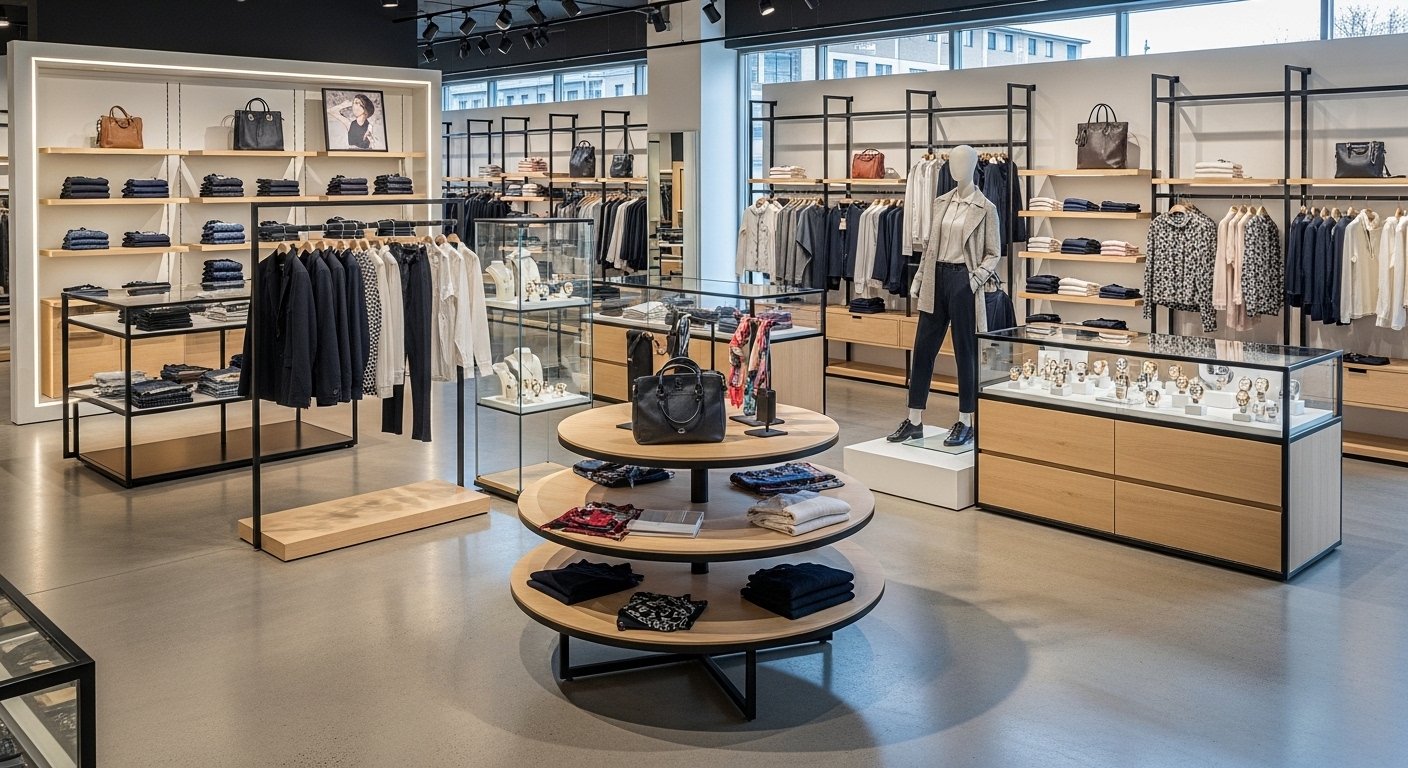
I always tell my clients that shipping air is the fastest way to lose money. When we design Display Fixtures and Bespoke Shopfittings with a KD (knock-down) mindset, we focus on breaking the unit into flat components [1]. This is not just about saving 50% to 80% on sea container space [1]. It is also about the ease of assembly on-site. In the US and EU, labor costs are very high. A complex unit that takes many hours to build can cost more in labor than the materials themselves [2]. By using modular parts like universal uprights or common shelves, we create a system that any worker can assemble quickly [2]. This flexibility is key for designers like Mark. If he needs to change a clothing section to a shoe display, he can reuse the same internal parts [1]. This reduces waste and keeps the store looking fresh without the need to buy new furniture every single season.
| Feature | Knock-Down (KD) Design | Fully Assembled Units |
|---|---|---|
| Shipping Cost | 50-80% Lower [1] | Very High (Shipping Air) |
| Assembly Time | Requires minimal skill [2] | Zero on-site |
| Storage Space | Small footprint | Large footprint |
| Adaptability | High - Uses modular parts [1] | Low - Fixed structure |
| Logistics Risk | Lower damage risk [1] | High risk of bumps |
How can bespoke shopfittings be engineered to enhance brand identity while maximizing product density?
Generic shelves can make a premium brand look cheap. But overcrowded displays turn customers away. You need a way to show more products without losing your unique brand feel and high-end atmosphere [1][3].
Bespoke shopfittings use custom materials like PVD coating or specialized wood finishes to match brand aesthetics [2][5]. Engineering these for high density involves precision metalwork and slim profiles, allowing more items per square foot without sacrificing the premium, high-quality look [1][3].
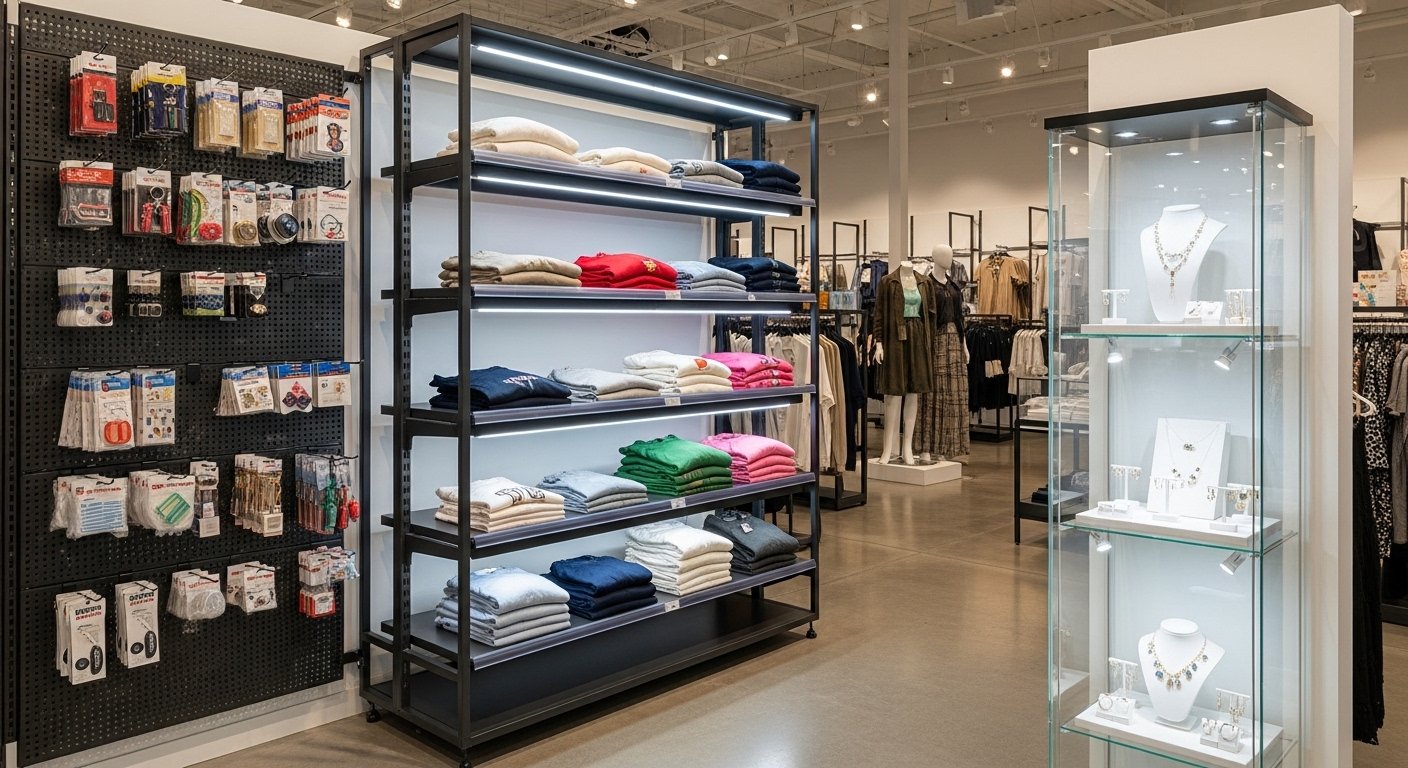
Creating a unique brand image is hard work. I have worked with luxury brands that need "zero-defect" paint jobs and very specific textures [3]. To achieve this, we often use advanced processes like PVD coating with anti-fingerprint layers [6]. This keeps the display looking perfect even when many customers touch it. But beauty alone does not pay the bills. We must also think about product density. As a founder, I know that every square inch of a shop must earn its keep. We use high-precision laser cutting for metal tubes and plates [1]. This lets us create thinner, stronger supports. Thinner supports mean more room for your products. We can also mix materials—like adding LED strips or acrylic accents—to guide the customer's eye to high-margin items [3]. It is all about balance. You want the customer to feel the brand's quality through the materials while seeing a wide range of options on the shelves. This engineering keeps the store functional and beautiful.
| Material | Brand Identity Effect | Density & Practical Benefit |
|---|---|---|
| PVD Coating | Luxury, durable look [6] | Thin, strong protective film |
| High-Quality MDF | Smooth, custom paint [2] | Versatile for custom shapes |
| Acrylic & LED | Modern, tech-focused [3] | High visibility in small spaces |
| Precision Metal | Industrial or Minimalist [1] | High load capacity, slim profile |
| Real Wood Veneer | Warm, premium feel [2] | Strong structural integrity |
In what ways does high-precision manufacturing and material selection minimize operational downtime and maximize ROI?
Broken fixtures or late deliveries will stop your sales cold. If your shelving fails or does not fit the floor, you lose time and money. High-precision manufacturing prevents these costly retail disasters before they happen [1][6].
High-precision manufacturing ensures every part fits perfectly the first time, preventing on-site rework [6]. Selecting durable materials like moisture-resistant MDF or high-grade powder coating reduces maintenance and replacement costs, which directly increases your long-term return on investment [1][3].
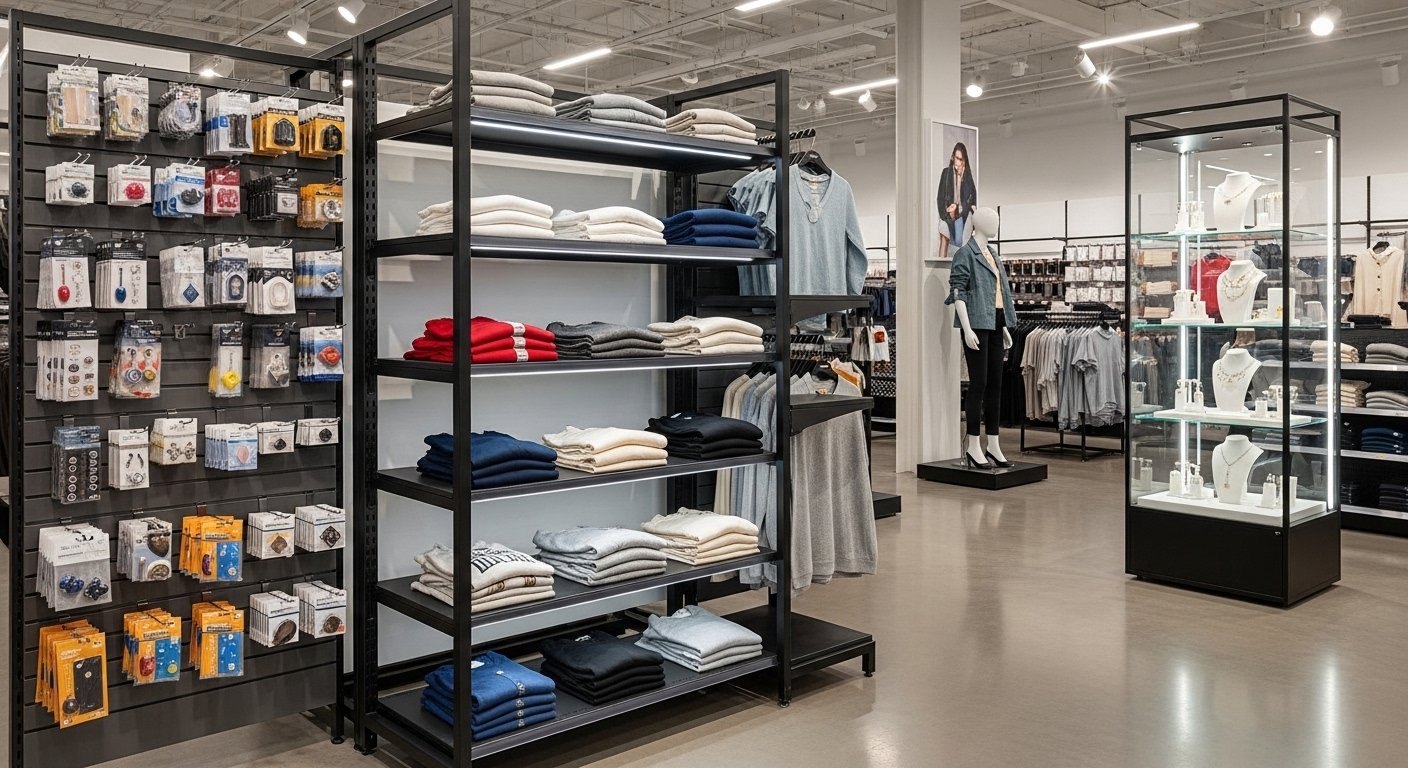
In my 12 years of experience, I have learned that the most expensive mistake is the one found too late [6]. If a screw hole is off by just 2mm, it might mean the whole display cannot be built [6]. This is why we use CNC machines and laser cutters. These tools give us the precision needed so that parts from our China or Vietnam factories fit perfectly in a store in London or New York [1][5]. Material choice is just as important for your ROI. For example, using the wrong wood in a humid environment can cause cracking [3]. We study the expansion coefficients of materials like MDF versus man-made stone to prevent these issues [3]. We also use high-quality powder coating to ensure the finish does not peel or scratch easily [1]. This means the retailer does not have to close the store for repairs. Better quality upfront means lower costs over time. This is how we help clients like Mark meet their tight deadlines and stay within their project budgets.
| Factor | High-Precision Impact | Material Selection Impact |
|---|---|---|
| Installation | Faster, no rework needed [6] | Better fit and finish [1] |
| Maintenance | Fewer structural failures | Resistant to daily wear [3] |
| Durability | Long-lasting joints | High-quality, tough surfaces [6] |
| Total Cost | Lower on-site labor costs [2] | Fewer expensive replacements |
| Downtime | Minimal during setup | Minimal for repairs |
Conclusion
Strategic Display Fixtures and Bespoke Shopfittings drive revenue by cutting logistics costs, maximizing floor space through modular design, and using precision manufacturing to ensure long-term durability and brand impact [1][2][6].