
Are you tired of receiving bulk orders that look nothing like your perfect sample? Quality gaps ruin your brand image and waste your project budget [1]. I will show you how we fix this.
We match bulk quality to samples through precise engineering specifications, advanced CNC machinery, and strict management discipline. By aligning design reality with production capabilities early on, we eliminate technical ambiguity. This ensures every unit meets the approved standard across global supply chains [1][5][6].
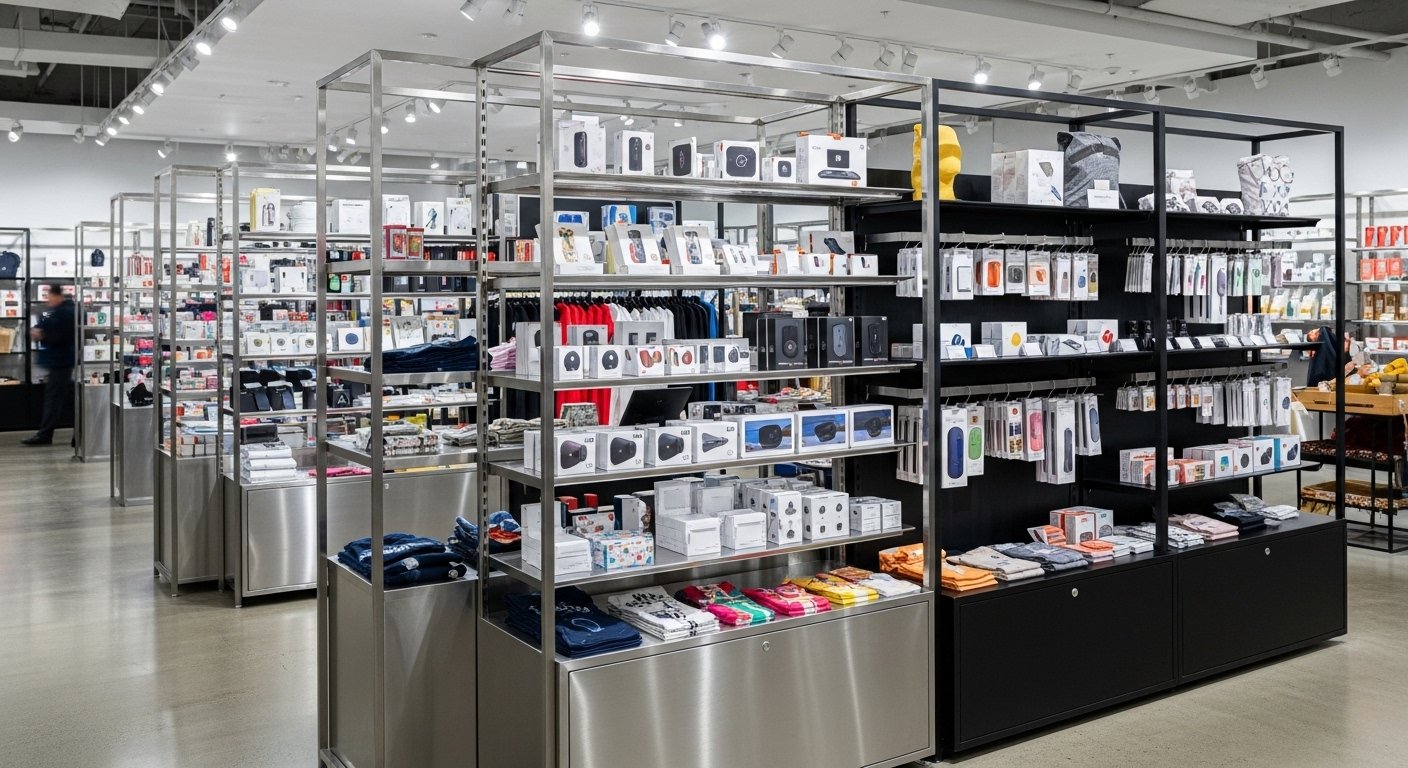
I have spent years on factory floors and I know that the most expensive problem is the one you find too late [6]. If we catch a mistake after shipping, it is a total loss of margin and trust [6]. You deserve a partner who understands that "close enough" is never good enough in the world of Display Fixtures and Bespoke Shopfittings.
From Desktop to Doorstep: Eliminating Early-Stage Spec Ambiguity?
Vague drawings lead to disasters on the factory floor. You cannot expect a worker to guess your design intent correctly [6]. This lack of clarity usually results in very expensive rework later [1].
We eliminate ambiguity by creating comprehensive specification lists and detailed technical drawings before production begins. This includes defining material tolerances and surface finish grades [6]. Proper alignment between design and production reality at the desk prevents failures in the factory [6].
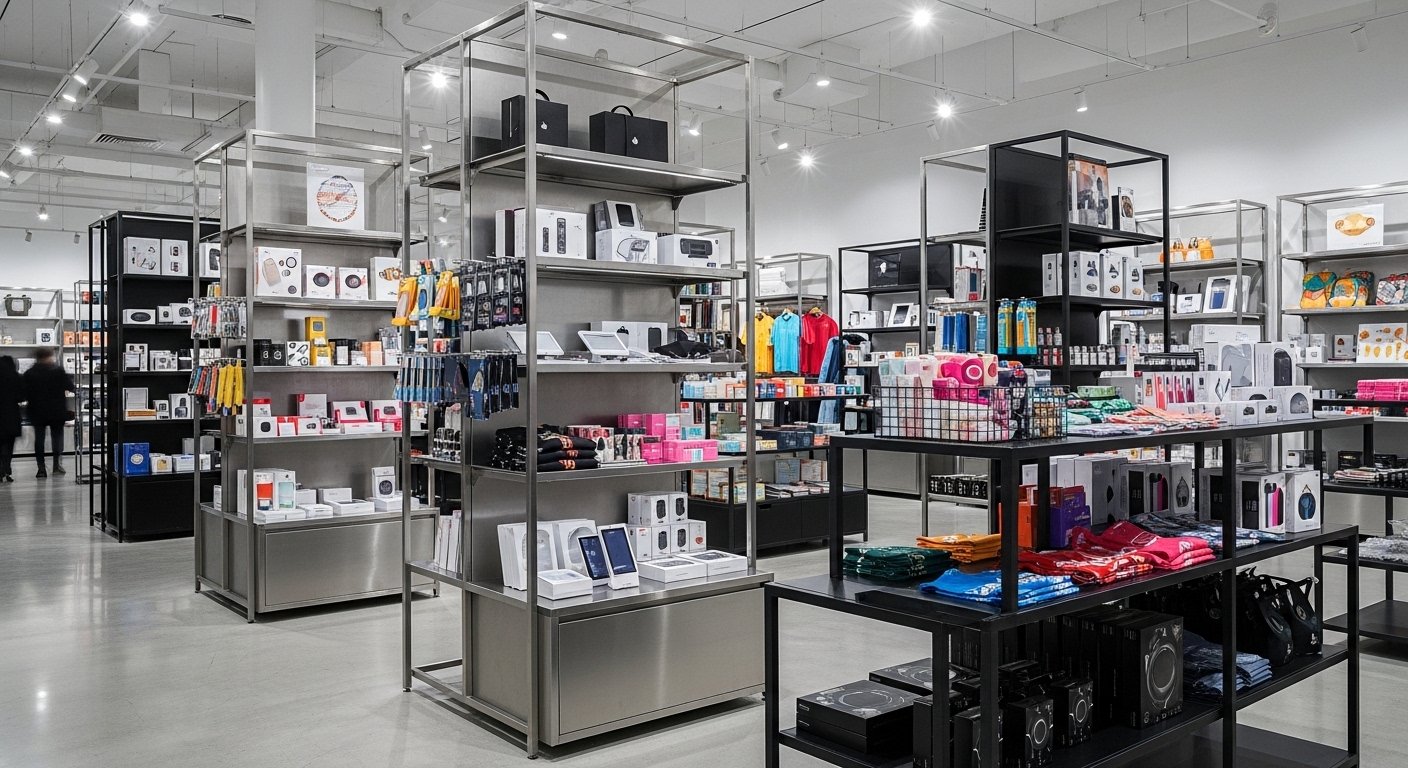
Most sourcing problems do not actually start in the factory. They start at the desk with incomplete drawings or unclear material choices [6]. For example, if we do not define the specific grade of MDF or Plywood, the factory might pick the cheapest option which leads to warping [2]. I always tell my team that execution fails quietly weeks before anyone notices [6]. We must make better decisions earlier to avoid these traps.
Understanding Material Standards
In my experience, choosing the right substrate is the first step to a successful bulk run. We use different materials based on your specific needs for strength and finish.
| Material Type | Best Use Case | Key Characteristics |
|---|---|---|
| MDF (Medium Density Fiberboard) | Painting, Lacquering, or Veneer | Very smooth surface, but sensitive to humidity [2][3]. |
| Plywood (Multi-layer Board) | Structural frames and textured finishes | Lightweight and very strong, but can warp if not handled right [2]. |
| Particle Board | Internal structures (non-load bearing) | Good screw-holding power but lowest density [2]. |
| Solid Wood | Luxury accents and high-end displays | Premium feel, often imported from the USA for global processing [2]. |
We also pay close attention to environmental standards. We ensure our materials meet European E0 or American P2 standards [1]. If your project involves complex materials like man-made marble, we calculate expansion coefficients to prevent cracking during transit [3]. This level of detail at the "desktop" stage is what keeps your bulk order consistent with the sample.
High-Precision Execution: The Role of Advanced Engineering and Equipment?
Inconsistent manual work ruins the aesthetics of your shopfittings. Small errors in hole placement or paint thickness quickly add up to a project failure [1][3][6]. You need machine precision to succeed.
We use advanced equipment like laser cutters, CNC machines, and automated powder coating lines to maintain high precision. These tools allow us to control surface thickness and structural dimensions within strict limits [1][3]. High-precision production ensures that every Display Fixture fits perfectly during final assembly [1].
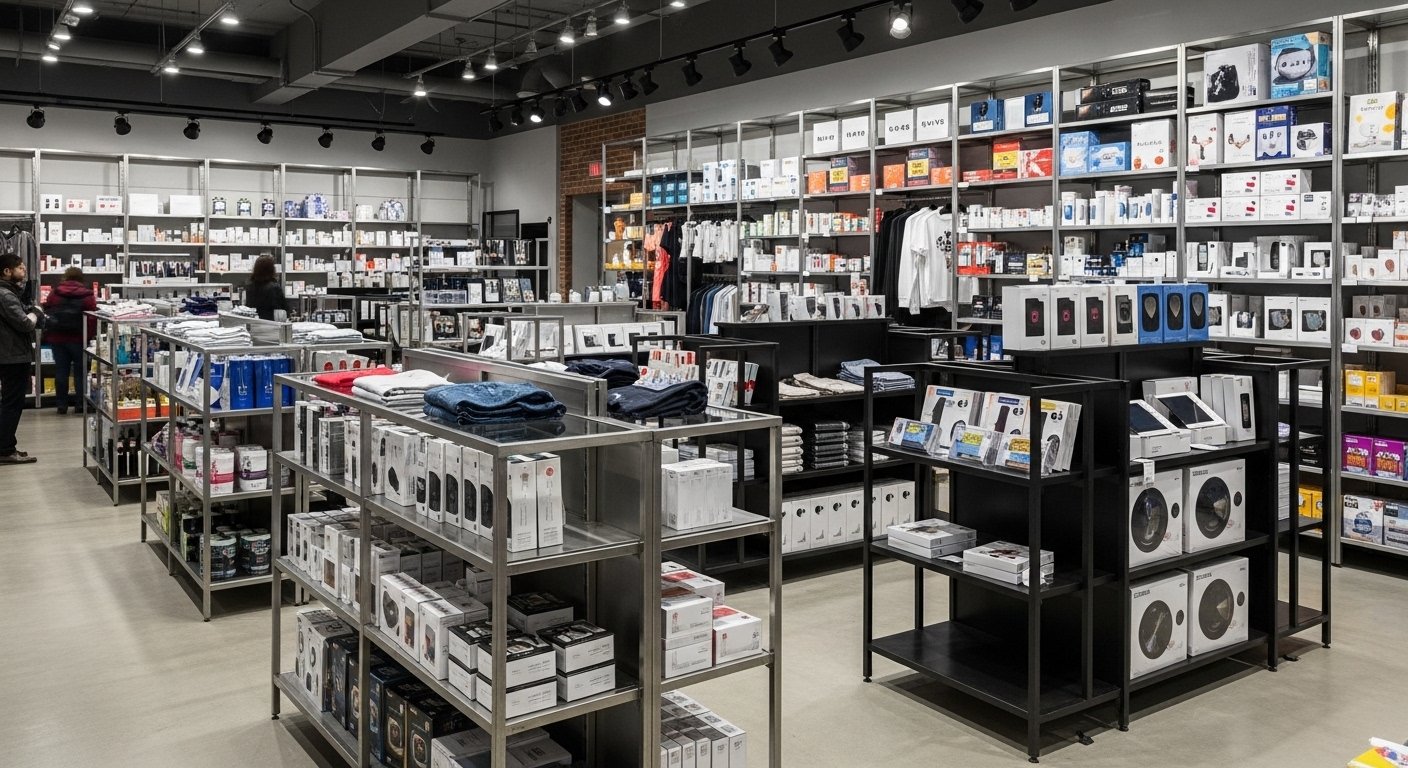
Our factory utilizes tube and plate laser cutting machines to ensure every cut is identical to the digital file [3]. For small batches, laser cutting is more efficient than making expensive molds [1]. If you need a unique shape for a metal part but the quantity is low, we can even use 3D printing for metal or plastic to keep the surface smooth and the colors accurate [1]. This technology allows us to maintain the "bespoke" feel without losing the "standardized" quality of a mass-produced item [1].
Finishing and Surface Quality
The surface finish is the first thing your customers see. We follow strict protocols for painting and coating to ensure the bulk matches the sample’s look and durability.
| Process | Quality Standard | Testing Method |
|---|---|---|
| Luxury Painting | 2 base coats + 3 top coats | Dust-free environment with no "orange peel" effect [3]. |
| Powder Coating | Precise thickness control | High-quality powder with optimized mixing ratios [1]. |
| PVD Coating | Metallic thin film with AF layer | Enhances hardness and prevents fingerprints [6]. |
| Hardness Test | Standardized Pencil Test | Uses pencils from 9B to 9H to check scratch resistance [3]. |
We also use alcohol rub tests to ensure the paint does not fade [3]. For brands like yours, consistency in color and texture across 100 stores is vital. Our automated powder coating lines use natural gas or electricity to be more eco-friendly while maintaining a perfect finish [1]. This precision ensures that a component made in January looks exactly like one made in June.
Management Discipline: Maintaining Consistency Across Global Supply Chains?
Managing production across China and Vietnam is a nightmare without discipline. Quality often drops when you move between regions [5]. This inconsistency threatens your retail rollout schedule [1].
We maintain consistency by integrating engineering standards and quality discipline across our Xiamen and Vietnam facilities [5]. By using a unified management system and a strong supply chain, we ensure that bulk orders meet the same high standards regardless of the production location [1][5].
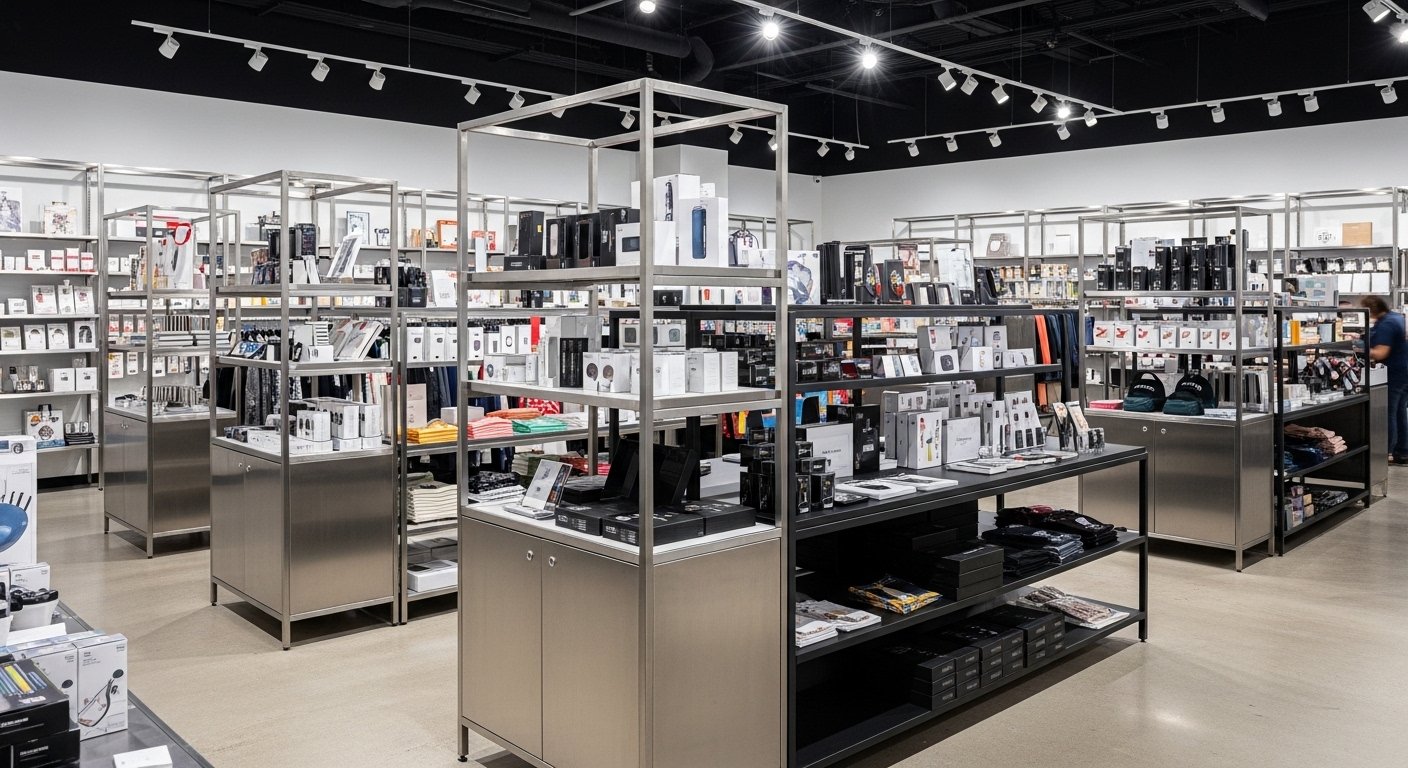
Moving production to Vietnam can help North American clients reduce tariffs, but the local supply chain is still developing [2][5]. To solve this, we often source specialized components in China and ship them to Vietnam for final assembly [2]. This "China + Vietnam" model gives you the best of both worlds: lower costs and high-end quality. Our team in Vietnam follows the same 12 years of OEM/ODM experience that we built in China [3][5]. We do not just move the work; we move the mindset and the standards.
Regional Production Advantages
I always advise my clients to choose the production site based on their specific project needs and destination.
| Feature | China Production | Vietnam Production |
|---|---|---|
| Supply Chain | Extremely complete and mature [1][2]. | Still developing; relies on imports for components [5]. |
| Customization | High flexibility for complex "Bespoke" items [2]. | Better for standardized metal + wood projects [5]. |
| Tariff Benefits | Standard rates for most regions. | Significant savings for the North American market [2]. |
| Lead Times | Very fast due to local material availability [1]. | Can be longer due to component sourcing gaps [5]. |
Consistency also comes from how we pack and ship. We often design Display Fixtures with a Knock-Down (KD) structure [1][2]. This saves 50% to 80% of shipping space, which reduces your costs significantly [1]. A KD structure also protects the product better during the long journey from Asia to your doorstep [1]. My team manages every detail, from the FOB fees to the final container loading, to ensure you are never surprised by hidden costs or damaged goods [3][4].
Conclusion
We ensure bulk quality by solving problems at the desk, using advanced machines, and enforcing strict management. This approach guarantees your Display Fixtures match your sample every time [1][5][6].