
Are you worried your retail displays won't pass international safety checks? Using the wrong material standards can lead to shipment rejections and legal trouble. These standards protect your brand and customers.
European E0 and American P2 standards regulate formaldehyde levels in wood materials like MDF and particle board. E0 limits emissions to 0.5mg/L or less. P2 (CARB Phase 2) is the legal requirement for the US market [1][2]. These ensure high-quality, safe Display Fixtures and Bespoke Shopfittings.
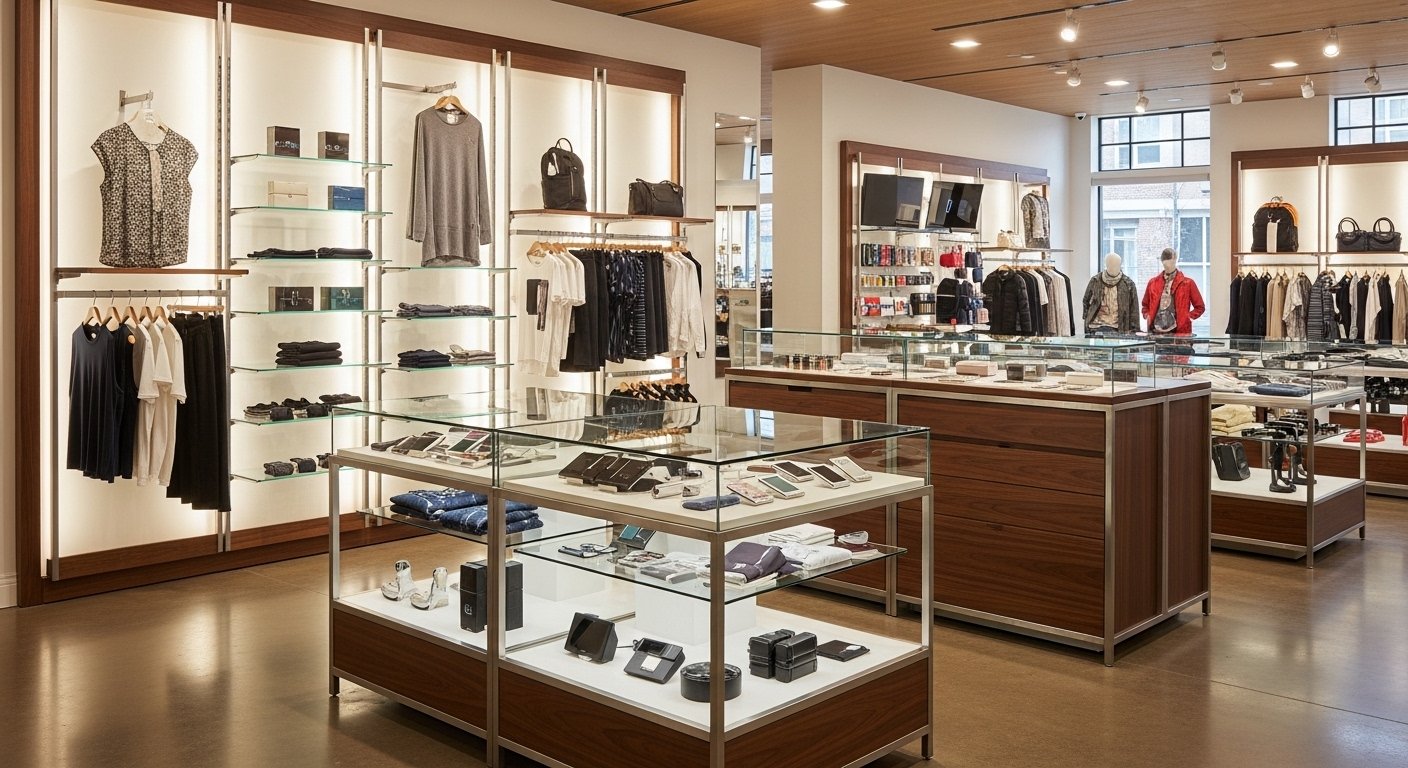
I have spent many years working in factories. I have seen how choosing the right material changes everything. If you want to build a premium retail space, you must understand what happens beneath the paint. Reading further will help you choose the best finishes for your next project.
What are the technical differences between mid-to-low-end and luxury painting standards in retail displays?
Low-quality paint jobs look cheap and peel off quickly. This ruins the shopping experience and frustrates your clients. You need to know the technical gaps to avoid paying for luxury and getting low-end work.
Mid-to-low-end painting typically uses one base coat and two top coats in basic water-curtain rooms [3]. Luxury standards require at least two base coats and three top coats. These must be applied in a negative-pressure, dust-free environment to reach a perfect finish [3].
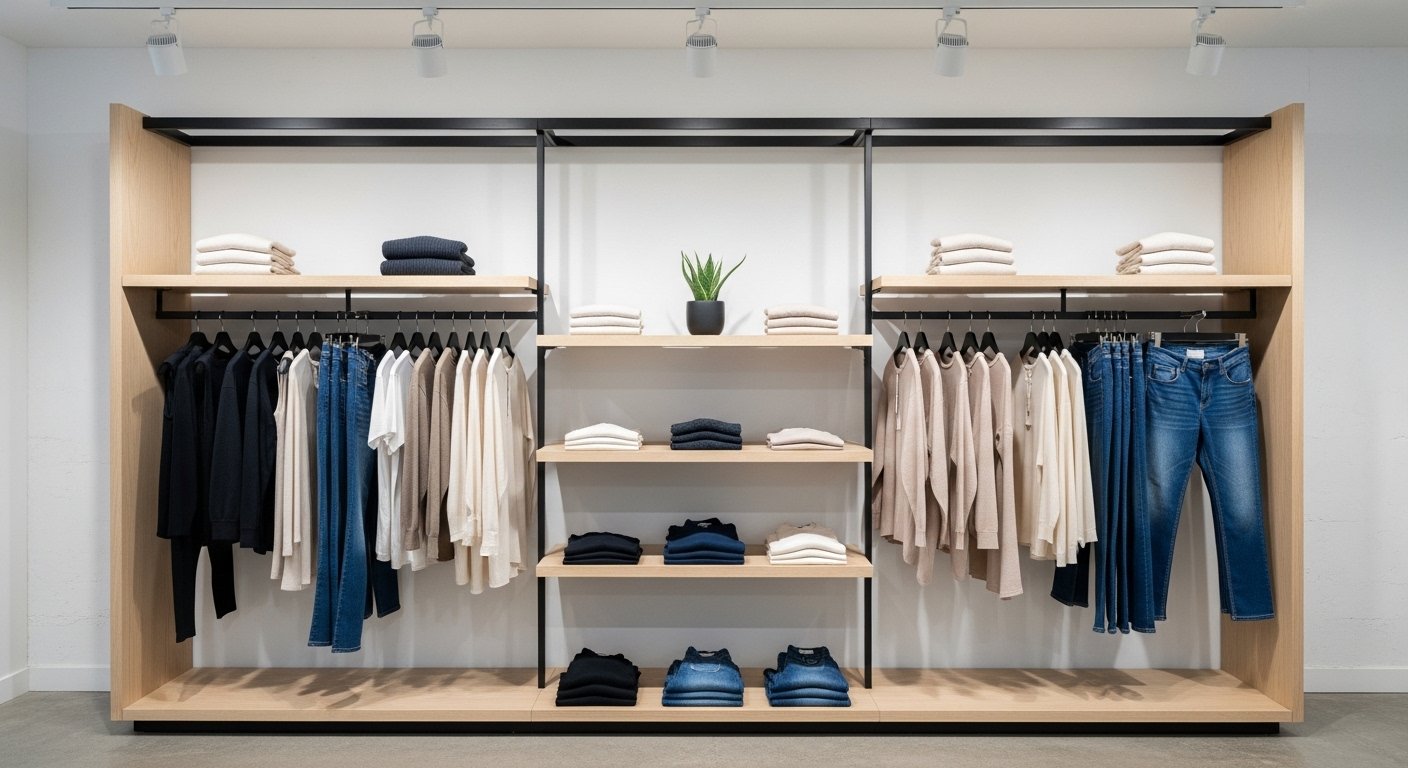
In my experience, the base material is just as important as the paint. For Display Fixtures and Bespoke Shopfittings, MDF is the best choice for painting because it has a very smooth surface [2]. Particle board has a lower density. It is rarely used for high-end painted finishes because it does not hold the paint as well. Usually, it only gets one base coat and one top coat of clear varnish for internal parts [2]. Plywood is strong and light, but it is hard to keep flat. If you try to use a high-gloss paint on plywood, you might see bubbles or "bulges" later [2]. Luxury projects for brands like those in the LVMH group require much higher precision than a standard Walmart shelf. The table below shows how these materials compare for painting.
| Material Type | Surface Quality | Best Use Case | Paint Layers (Typical) |
|---|---|---|---|
| MDF | Very Smooth | Luxury Paint/Veneer | 2 Base + 3 Top [2][3] |
| Particle Board | Rough/Porous | Internal structures | 1 Base + 1 Top [2] |
| Plywood | Grainy | Structural frames | Clear varnish/Veneer [2] |
| Solid Wood | Natural Grain | High-end accents | Custom staining [2] |
How do "2-Base, 3-Top Coat" processes ensure a defect-free surface for high-end brands?
Tiny dust spots or "orange peel" textures on a display make a brand look unprofessional. These small defects catch the light and distract customers from the products. A strict multi-layer process is the only way to stop this.
The "2-base, 3-top coat" process uses five layers to build a thick, smooth surface. Workers must sand the surface between every layer. If any sagging, pores, or particles appear, they sand it down and start the top coat again [3]. This creates a flawless look.
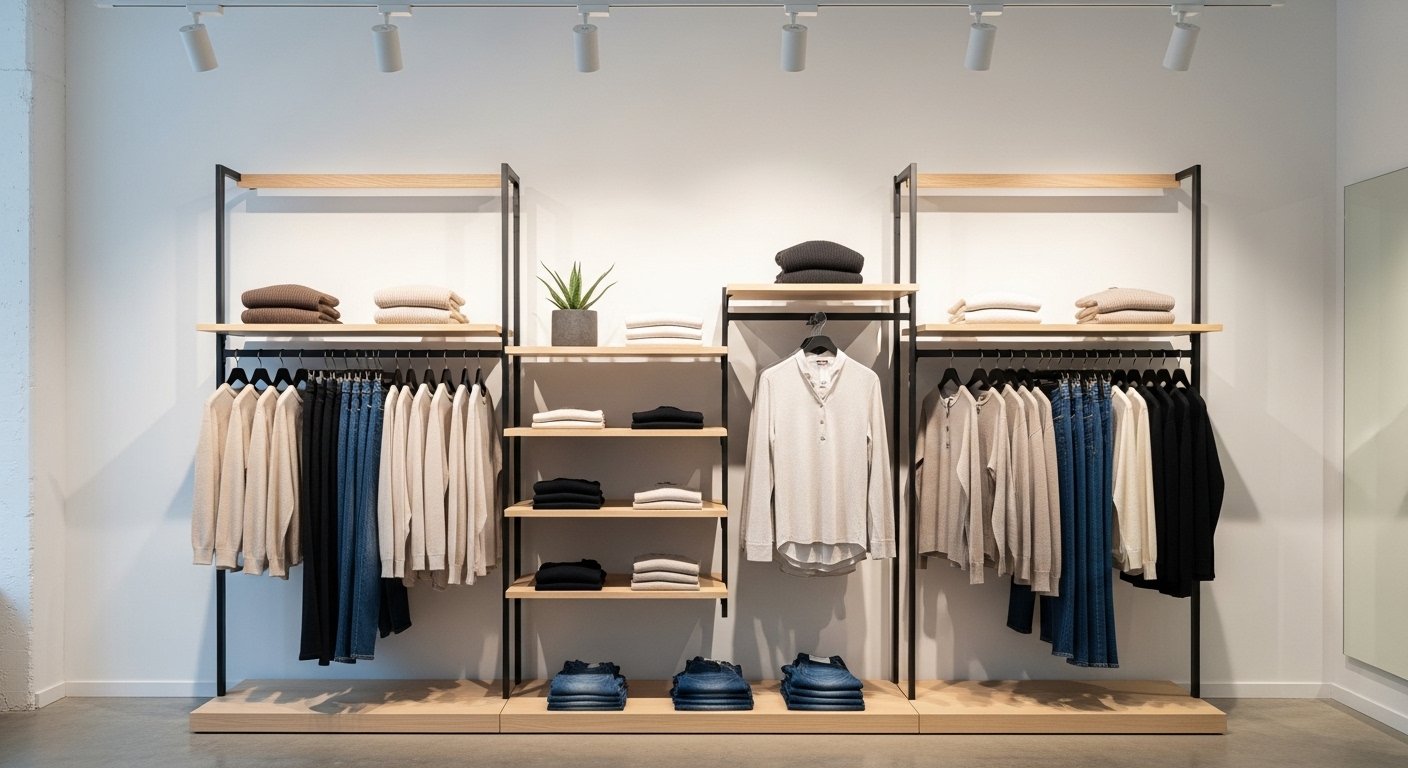
When I run a project for a luxury brand, we cannot accept any mistakes. The "2-base, 3-top coat" method is labor-intensive but necessary. First, the two base coats fill the tiny pores in the MDF. We let these dry and then sand them perfectly flat. This acts like a foundation for a house. Then, we apply the three top coats. Each layer adds depth and color richness. If a worker sees a single speck of dust, they must stop. They sand that spot and redo the layer [3]. This is why luxury Display Fixtures and Bespoke Shopfittings cost more. You are paying for the time spent on perfection. In cheaper shops, they skip the sanding or use fewer layers. This leads to a surface that looks wavy or "orange" when the store lights hit it. We use special lighting in our factory to catch these flaws before they ever reach the shipping container.
| Process Step | Purpose | Requirement for Luxury |
|---|---|---|
| Base Coat 1 & 2 | Sealing and Leveling | Must be sanded flat [3] |
| Top Coat 1 | Color Foundation | No "orange peel" effect [3] |
| Top Coat 2 | Depth and Durability | Dust-free application [3] |
| Top Coat 3 | Final Gloss/Texture | Zero visible defects [3] |
Beyond the layers: What rigorous testing and environment controls define a luxury paint finish?
Does your display paint fade when cleaned or scratch if a customer touches it? Poor factory conditions lead to weak paint that fails in the store. You need verified tests to ensure your fixtures last for years.
Luxury finishes must pass a 75% alcohol rub test ten times without any color loss [3]. We also use a pencil hardness test, where a 2H pencil must not scratch the paint [3]. All work happens in negative-pressure, dust-free rooms to keep the air pure.
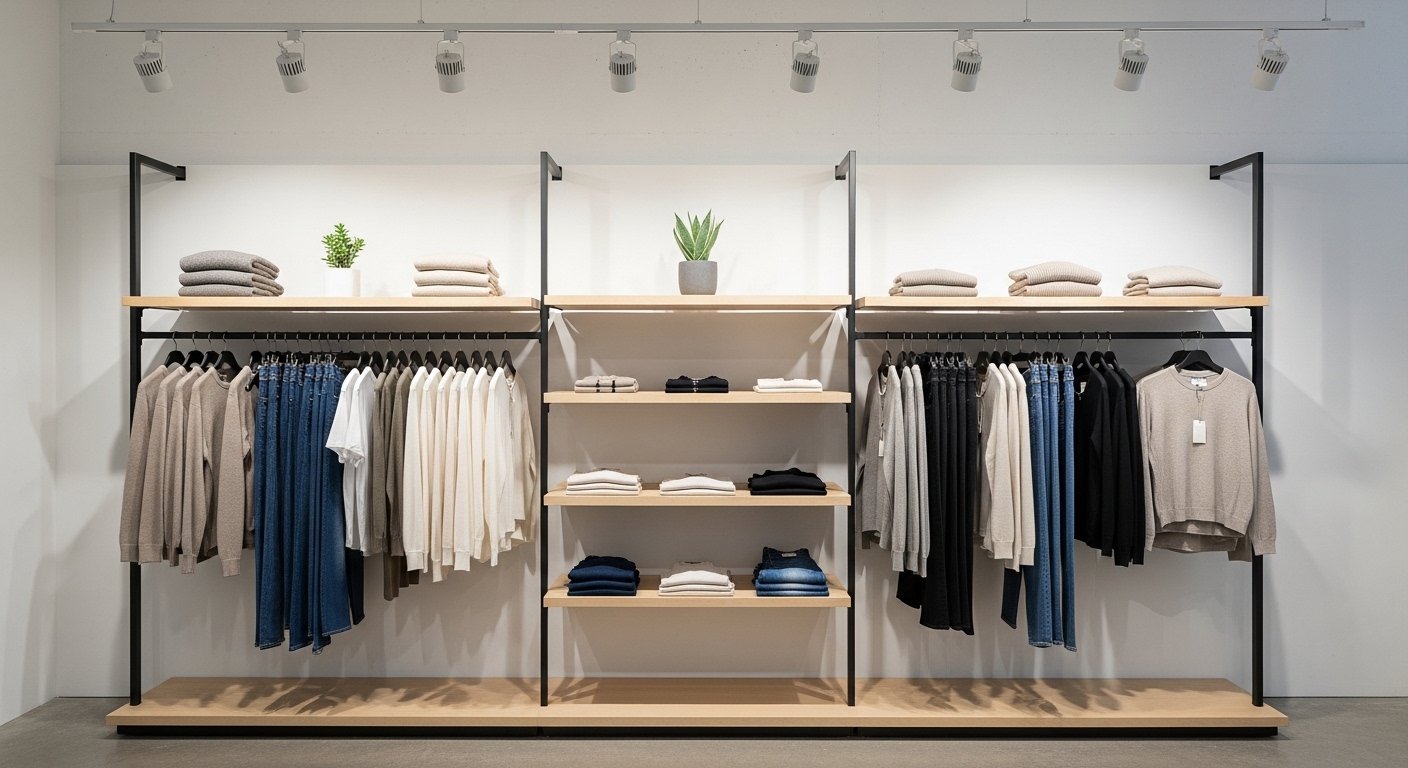
In the world of Display Fixtures and Bespoke Shopfittings, durability is vital. I always tell my clients that a beautiful display is useless if it scratches on day one. We use the 2H pencil hardness test to check the surface strength [3]. If a 2H pencil leaves a mark, the paint is too soft. We also worry about cleaning. Store staff use strong cleaners. That is why the alcohol rub test is so important. If the color comes off on the cloth, the finish is a failure [3]. Environment control is the secret behind these results. We use negative-pressure rooms. This means air only flows out, so dust cannot fly in. We also have to watch the humidity. If the air is too damp, the MDF can swell. This can even cause stone or marble tops to crack because the wood underneath moves too much [3]. We keep everything stable to ensure the final product stays perfect in your store.
| Test Type | Metric / Standard | Reason for Test |
|---|---|---|
| Alcohol Rub | 75% Alcohol / 10 Rubs | Check for color fading/bleeding [3] |
| Hardness | 2H Pencil Scale | Ensure resistance to scratches [3] |
| Room Type | Negative Pressure / Dust-free | Prevent particles in the wet paint [3] |
| Humidity Control | Balanced for MDF | Prevent warping and material cracking [3] |
Conclusion
European E0 and American P2 standards ensure material safety. Luxury displays require 2-base and 3-top coats in dust-free rooms, passing strict rub and hardness tests to guarantee premium quality [1][2][3].