
Retailers struggle with rising tariffs and inconsistent quality across borders. High costs and slow shipping eat your profits. My one-stop solution links China and Vietnam to streamline your entire supply chain.
A one-stop solution for display fixtures and bespoke shopfittings combines Chinese supply chain depth with Vietnam’s tariff advantages. It integrates 3D printing and precise powder coating for quality, while using knock-down (KD) designs and transparent logistics management to reduce global distribution costs and ensure timely delivery.
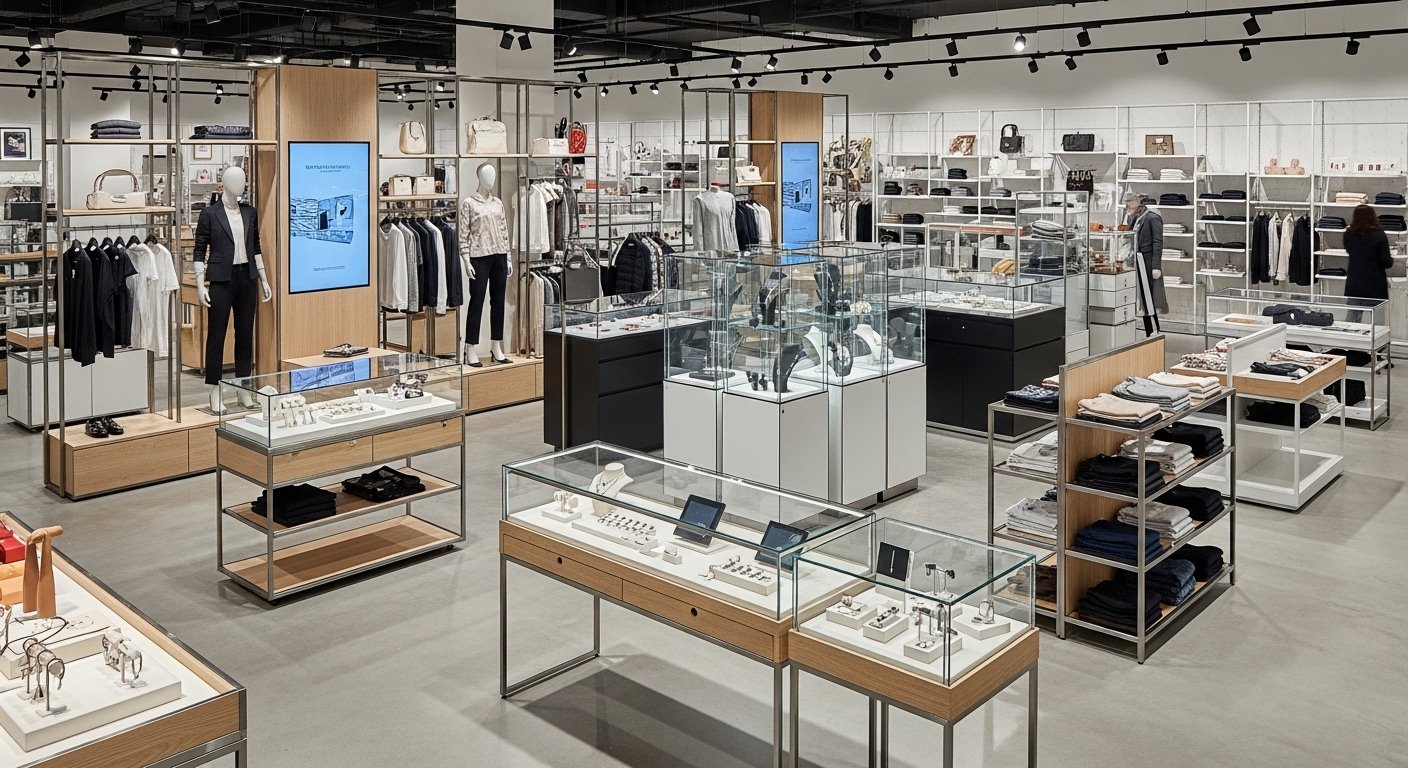
I have spent years in factories and design rooms. I know that a great design means nothing if it cannot be built or shipped efficiently. Many designers like Mark face tight deadlines and complex structures. I started my company to bridge the gap between creative design and messy production reality. You need a partner who understands the small details. If you keep reading, I will show you how we manage everything from the first 3D print to the final shipping container.
How does a dual-supply chain in China and Vietnam balance cost-efficiency with high-quality OEM design?
Managing global production is a headache for many designers. Poor coordination leads to high prices or low quality. I balance these by using the strengths of both China and Vietnam.
A dual-supply chain balances costs by utilizing China’s mature ecosystem for complex components and Vietnam’s lower tariffs for US-bound assembly. This setup ensures high-quality OEM design through shared engineering standards, while optimizing production costs based on specific regional manufacturing strengths and market destinations. [2][5]
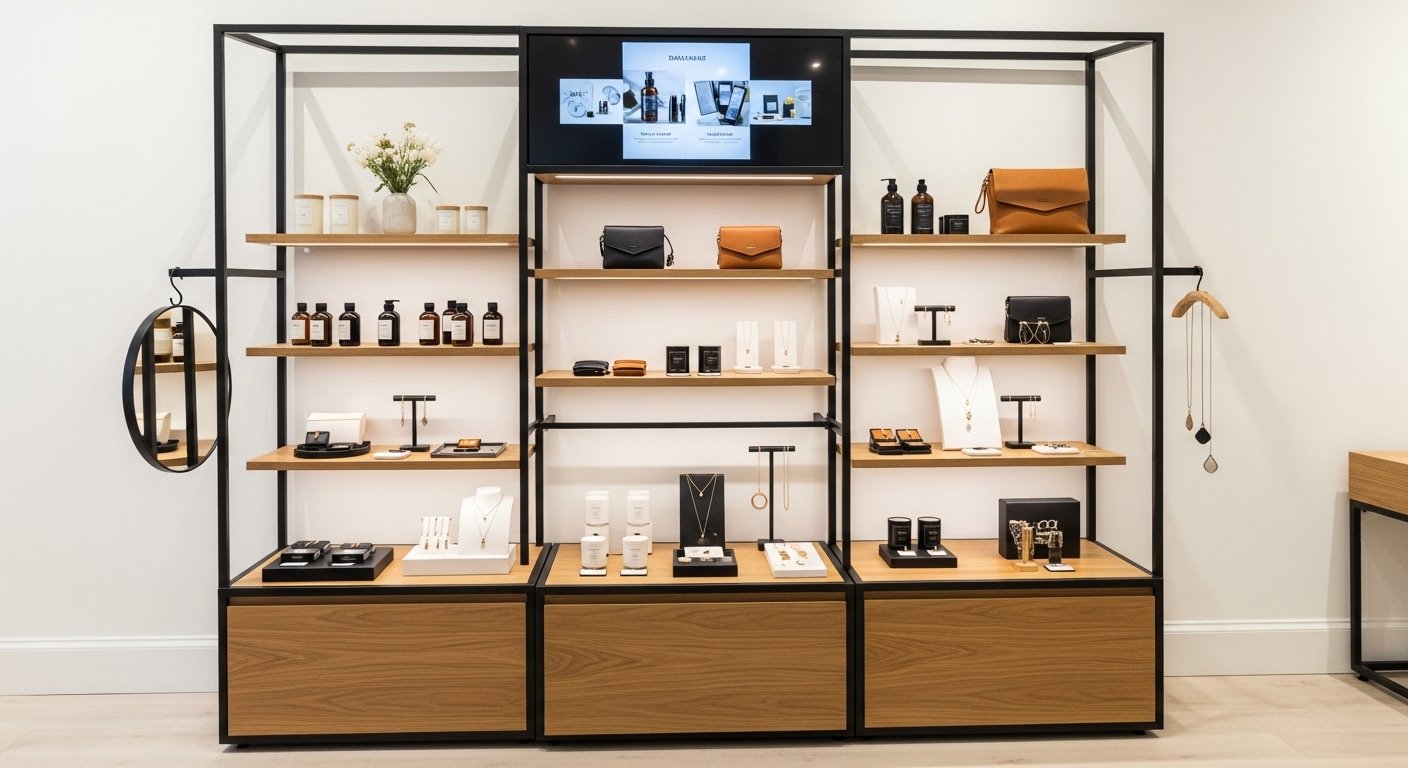
I have learned that China is the heart of the supply chain for display fixtures and bespoke shopfittings. In China, we have everything nearby. We can find any screw, LED light, or acrylic sheet in just one day. This speed is vital for complex OEM projects. However, the trade war and tariffs make China-only production expensive for my North American clients. That is why I opened our Vietnam facility.
Vietnam is excellent for the North American market because of lower import duties. But the local supply chain there is still growing. I found that many parts are still cheaper to source in China and then ship to Vietnam for assembly. To get a "Made in Vietnam" certificate, at least 60% of the value must be local. [2] I often use Vietnamese steel for the main frame and import specialized accessories from China. This way, my clients get the best price and follow the rules. My team in Xiamen works closely with the Vietnam team to keep the quality the same. We use the same engineering standards in both places so your brand looks the same everywhere. [5]
| Feature | China Supply Chain | Vietnam Supply Chain |
|---|---|---|
| Material Sourcing | High availability; very fast | Developing; imports needed [2] |
| Labor Skill | High; experienced with complex OEM | Growing; best for standard tasks [5] |
| Tariff Advantage | Better for EU and domestic markets | Advantageous for North America [2] |
| Production Speed | Very fast due to ecosystem | Moderate; requires more planning [5] |
From 3D printing to precise powder coating: How can technical expertise maximize production efficiency?
Complex designs often lead to expensive mistakes and long delays. Manual processes are slow and inconsistent. I use advanced tools like 3D printing and laser cutting to boost efficiency.
Technical expertise maximizes efficiency by choosing the right production method, such as 3D printing for small-batch resin parts or laser cutting instead of expensive molds. Precise powder coating and PVD finishes ensure aesthetic quality while minimizing material waste and meeting strict environmental standards. [1][3][6]
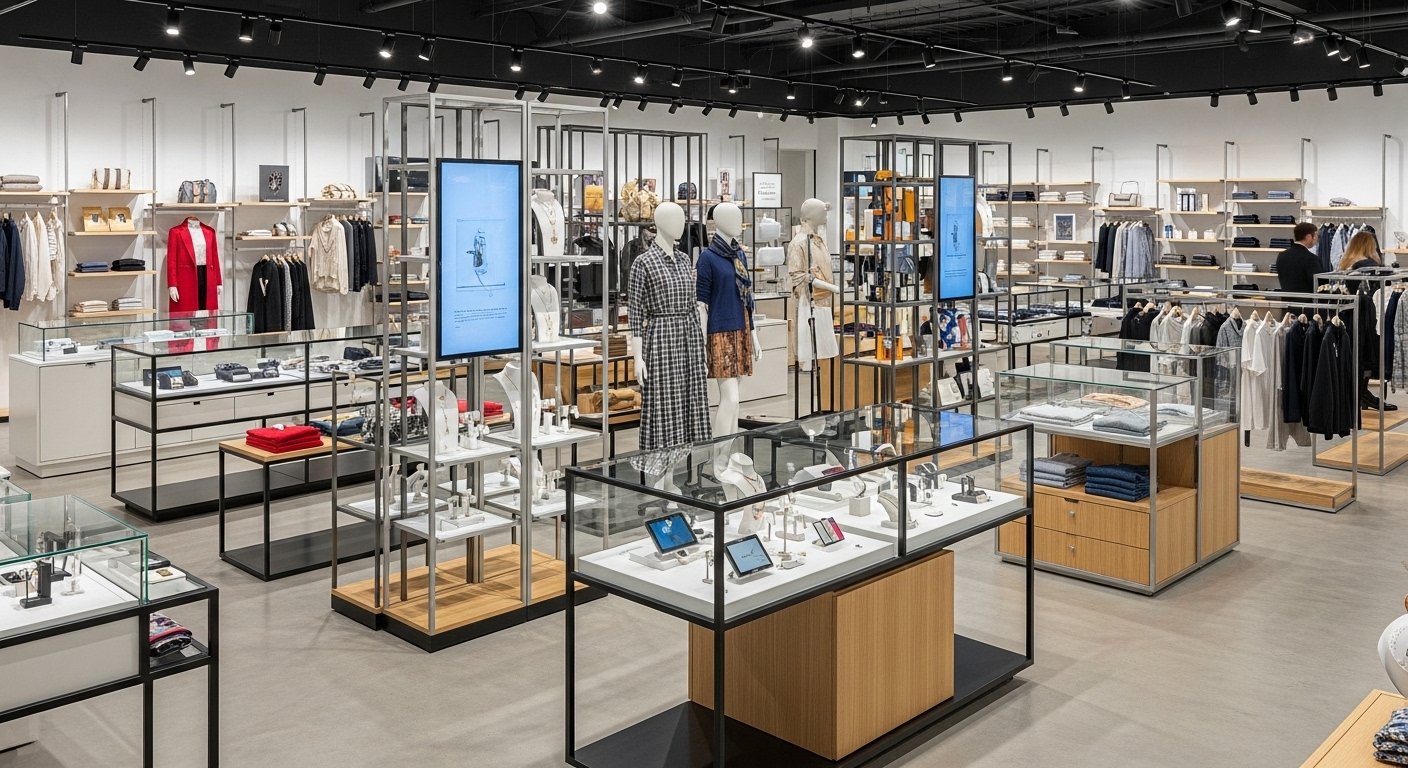
I believe that the right technology saves money and time. For example, many clients ask for custom plastic parts. Traditional injection molds cost over $1,000 and take weeks to build. [1] If you only need 50 pieces, that is a waste. I use 3D printing instead. My team can print smooth, beautiful parts in just 12 to 36 hours. We can print in resin, stainless steel, or aluminum. [1] This allows designers like Mark to see a real sample before we start a big run.
We also focus on precision in the finishing stage. In my factory, we use laser machines to cut metal tubes and plates. This is much faster than making traditional molds for every part. [1] When it comes to color, we use advanced powder coating equipment. We calculate exactly how much powder we need for every order. This reduces waste and protects the environment. [1] For luxury brands, we offer PVD coating with an anti-fingerprint (AF) layer. This keeps the display looking clean even when many customers touch it. [6] I also pay close attention to the base materials. For example, MDF is great for painting, but plywood is better for strength. [2] Knowing which material to use prevents the product from cracking or warping after it arrives at the store. [3]
| Process | Technology Used | Benefit to Client |
|---|---|---|
| Prototyping | 3D Printing (Metal/Resin) | Saves mold costs; fast delivery [1] |
| Cutting | CNC Laser Machines | High precision; no tool wear [1] |
| Surface Finish | Precise Powder/PVD Coating | Durability; luxury appearance [1][6] |
| Joining | Seamless Stone Splicing | Beautiful aesthetics for high-end shops [3] |
Streamlining the journey: How to navigate logistics complexities and reduce "hidden costs" in global distribution?
Unexpected shipping fees and damaged goods can ruin a successful project. Hidden charges often surprise buyers at the last minute. I focus on smart packaging and transparent logistics to save money.
Navigating logistics involves choosing Knock-Down (KD) assembly to save up to 80% in container space. Reducing hidden costs requires auditing freight forwarder fees like THC and VGM, while ensuring products meet local standards like E0 or P2 to avoid costly delays at customs. [1][3][4]
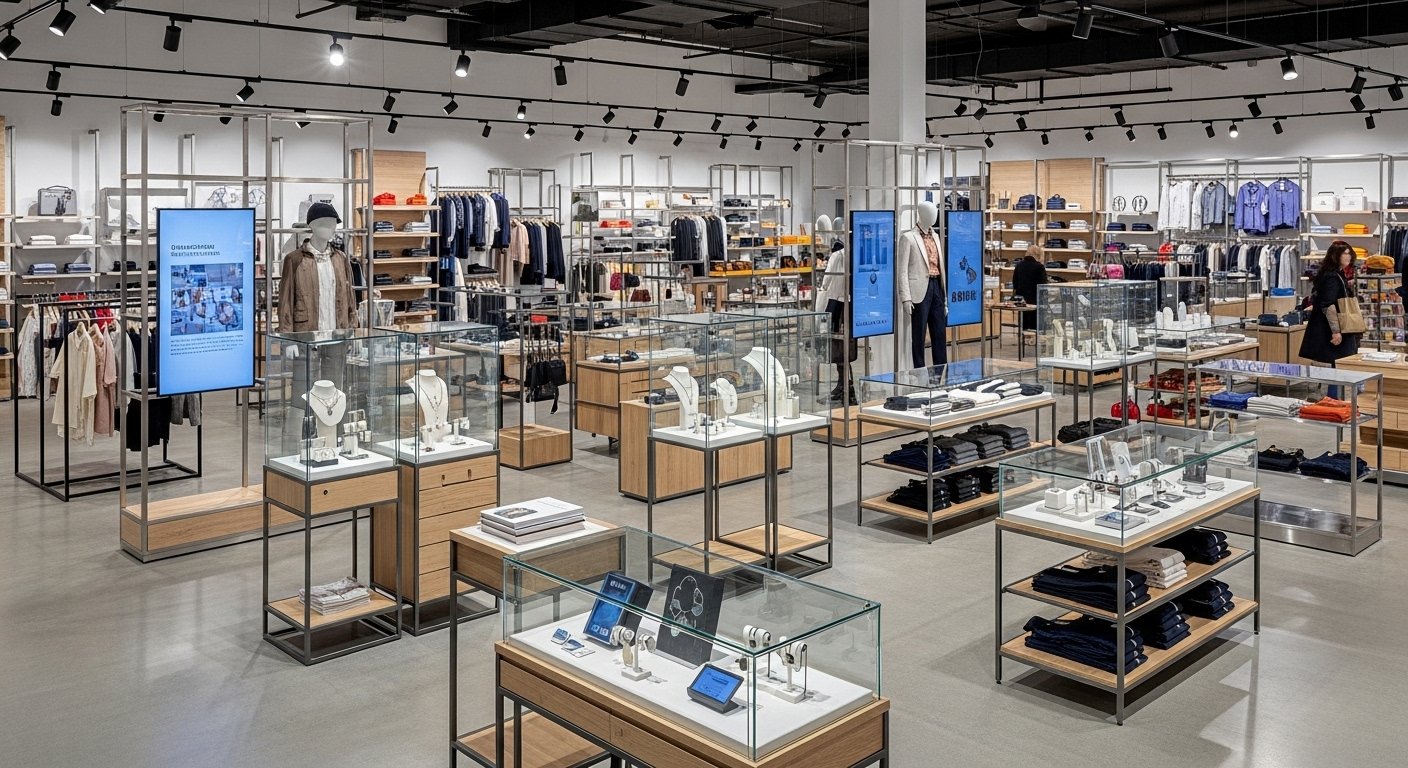
I have seen many projects lose all their profit because of shipping mistakes. One big secret is how we pack the goods. If we ship a display fully assembled, it takes up a lot of room. This means you pay for air. I prefer to design "Knock-Down" (KD) structures. This can save 50% to 80% of the space in a sea container. [1] It also protects the product better because flat parts do not move as much during the voyage. [2]
But saving space is only part of the job. You must watch out for "hidden costs" from freight forwarders. Some agents will give you a low price for shipping but then charge you too much for local fees like Terminal Handling Charges (THC) or Verified Gross Mass (VGM). [3][4] I always check these fees against the shipping line’s standard rates. For example, a forwarder might try to charge $1,200 for a THC fee that should only be $856. [3] I also make sure all materials meet local laws, like the E0 or P2 standards for wood in Europe and the USA. [3] If you do not have the right certificates, the customs office will stop your goods. I handle this paperwork early so the display reaches the store on time. My goal is to make the process transparent so you never get a surprise bill. [4]
| Potential Hidden Cost | Description | How to Avoid It |
|---|---|---|
| High THC Fees | Extra terminal charges | Compare with official shipping line rates [3] |
| VGM Charges | Weight verification fees | Submit data yourself or via trusted agents [4] |
| Customs Delays | Missing certifications | Ensure E0/P2 and electrical compliance early [3] |
| Assembly Costs | High labor at destination | Use KD design that is easy to assemble [2] |
Conclusion
My one-stop solution combines expert OEM design, advanced production tech, and transparent logistics. I use China and Vietnam to provide the best quality and value for global retail brands.